

President Donald Trump has reopened the discussion around further U.S. Bitcoin accumulation, but no federal purchase program has been announced.
Speaking at a White House meeting with technology and financial industry leaders on August 19, 2026, Trump was asked whether his administration planned to accumulate “sizable amounts” of Bitcoin or other cryptocurrencies. He replied that the idea had been discussed and that he would listen to recommendations from officials.
That answer kept the possibility alive. However, It did not establish a clear purchase target, funding source or timetable.
What Did Trump Actually Say?

The wording matters because some headlines turned a cautious answer into something much stronger.
“Sizable amounts” came from the reporter’s question, not from Trump’s description of an approved plan. Trump said the subject had been discussed and indicated that relevant officials could bring him recommendations.
The full event transcript contains no announcement that the Treasury had authorized or completed a Bitcoin purchase.
This leaves the administration’s position open but noncommittal: additional accumulation remains possible, while the practical details are still missing.
How the Strategic Bitcoin Reserve Works
Trump established the U.S. Strategic Bitcoin Reserve through an executive order in March 2025.
The reserve was designed to hold Bitcoin that the federal government already owns following completed criminal or civil forfeiture proceedings. Bitcoin placed in the reserve is not supposed to be sold and is treated as a long-term government asset.
The order also allows the Treasury and Commerce departments to develop “budget-neutral” methods for acquiring more Bitcoin. Any such strategy must avoid additional costs for taxpayers.
This is an important distinction. The executive order permits officials to study possible acquisition methods, but it does not provide an unlimited budget for buying BTC on the open market.
No Federal Bitcoin Purchase Has Been Confirmed
As of August 27, 2026, the Treasury has not publicly announced an active Bitcoin purchase program.
There is no confirmed purchase amount, execution schedule or approved funding mechanism. The government has also not released a complete public audit showing the precise number of BTC already held in the Strategic Bitcoin Reserve.
Private tracking platforms estimate U.S. government holdings by monitoring wallets associated with past enforcement cases. Those estimates should not be treated as the reserve’s official balance.
Bitcoin may be under government control without being eligible for the reserve. Some assets remain involved in legal proceedings, while others may be required for victim restitution or other statutory obligations. Only assets that have completed the necessary forfeiture process can be considered for transfer.
Could the United States Buy Bitcoin Without New Spending?
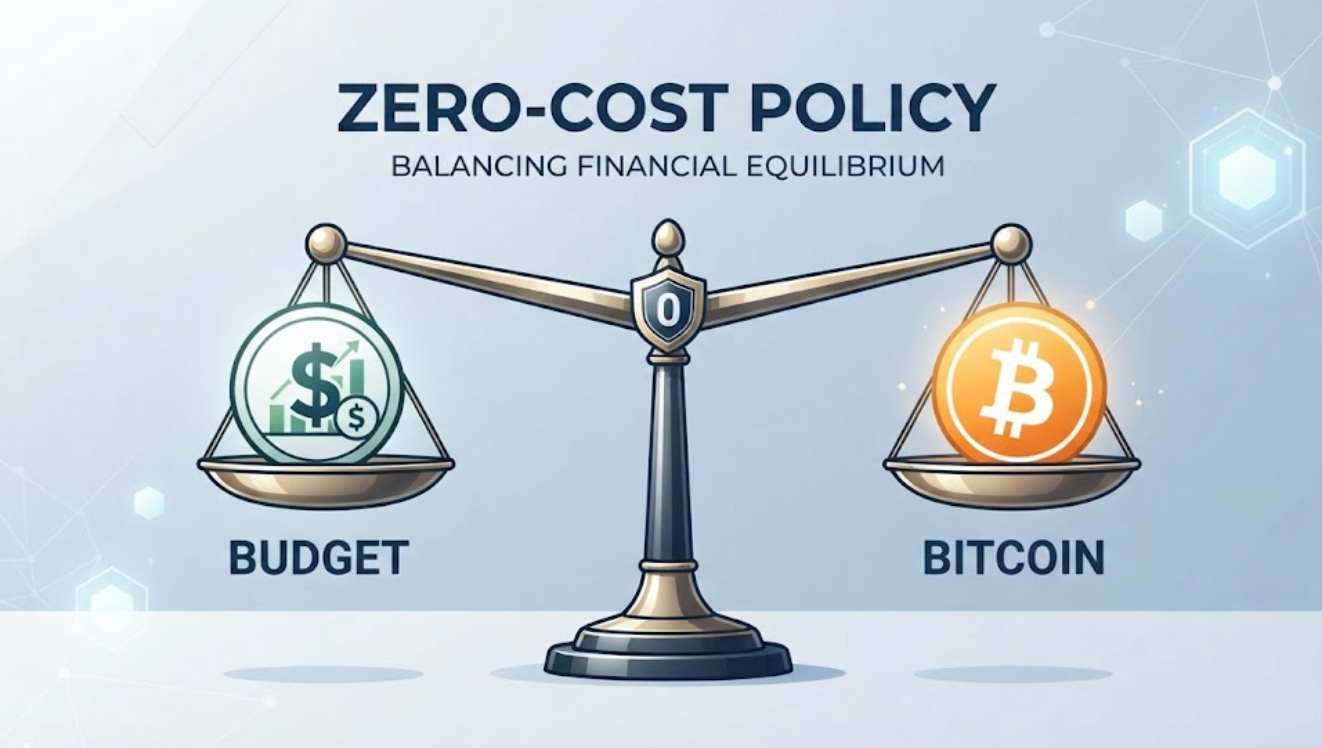
A budget-neutral strategy would need to acquire Bitcoin without increasing federal spending or placing an additional burden on taxpayers. Proposals have included using proceeds from other government assets or changing how certain reserve assets are managed, but no specific method has received final public approval.
Large and sustained market purchases could also require clearer authority from Congress. The executive branch can manage eligible government-owned Bitcoin, but a multibillion-dollar acquisition program would face legal, budgetary and political scrutiny.
Congressional proposals such as the BITCOIN Act have considered a much larger national accumulation plan. The introduced legislation is a policy proposal, however, not proof that the Treasury has authorization to begin buying toward a one-million-BTC target.
Why the Distinction Matters to Bitcoin Traders
A government decision to retain forfeited Bitcoin affects supply differently from an open-market purchase program.
Holding existing government BTC removes the possibility that those assets will be sold, reducing one potential source of market supply. Direct purchases would create new demand and could have a much larger effect on market expectations.
Trump’s remarks therefore carry political significance, but they are not yet an identifiable source of buying pressure.
Traders should separate three developments:
-
Discussion of additional accumulation
-
Approval of a funding and execution framework
-
Verifiable government purchases
Only the final two would represent a material change in how the reserve operates.
The Policy Signal Is Real, but the Purchase Is Not
Trump has left the door open to further U.S. Bitcoin accumulation. That is notable because Bitcoin is now being discussed as a possible sovereign reserve asset rather than only as property obtained through enforcement cases.
Still, the current policy is mainly a holding strategy. The United States has created a reserve for eligible government-owned BTC, but it has not disclosed an active open-market acquisition program.
The next meaningful development will come from policy documents, funding authority or verifiable transactions, not another broad expression of support.
Follow Tapbit for market analysis covering Bitcoin, digital assets and global policy developments. Tapbit users can access their accounts through the login page, while new users can register here.
Frequently Asked Questions
Is the U.S. government buying Bitcoin now?
No active federal Bitcoin purchase program has been publicly confirmed as of August 27, 2026. The existing reserve is primarily funded with Bitcoin obtained through completed forfeiture proceedings.
Did Trump promise to buy a sizable amount of Bitcoin?
No. A reporter asked whether the government planned to accumulate a sizable amount. Trump said the idea had been discussed and that he would consider recommendations, but he did not announce a purchase commitment.
What is the U.S. Strategic Bitcoin Reserve?
It is a federal reserve created in March 2025 to hold eligible government-owned Bitcoin as a long-term asset. Bitcoin deposited into the reserve is not supposed to be sold.


