

Figure stock has become one of the more unusual public-market stories at the intersection of fintech, crypto infrastructure and tokenized finance. Figure Technology Solutions trades under the FIGR ticker, but the company is not simply another software lender. Its broader strategy is to move lending, securities settlement and public-equity infrastructure onto blockchain rails.
That distinction matters because Figure is trying to connect two systems that are usually discussed separately: regulated public markets and onchain finance. Its products span consumer lending, blockchain-based capital markets and tokenized securities. For investors following the evolution of tokenized stocks, Figure offers a useful real-world case study in what happens when a listed company attempts to make its own equity blockchain-native.
What Is Figure Technology Solutions?
Figure describes itself as a capital-markets technology company operating at the intersection of blockchain and AI. Its lending businesses connect borrowers, originators and institutional investors, while its blockchain infrastructure is built around Provenance Blockchain.
The company has developed products for home-equity lending, private credit, digital assets and securities. Instead of treating blockchain only as a payment feature, Figure uses it as part of the recordkeeping, settlement and market structure behind financial products.
This is why Figure stock is different from many “crypto-adjacent” equities. The company’s crypto relevance does not depend only on holding Bitcoin or serving crypto exchanges. Its thesis is that public securities and private credit can themselves operate onchain.
Why Figure Stock Is a Crypto-Equity Story
Figure’s core argument is that legacy capital markets contain multiple intermediaries that add time, expense and operational complexity. Blockchain-based issuance and settlement can potentially reduce some of those layers by using a shared ledger for ownership and transaction records.
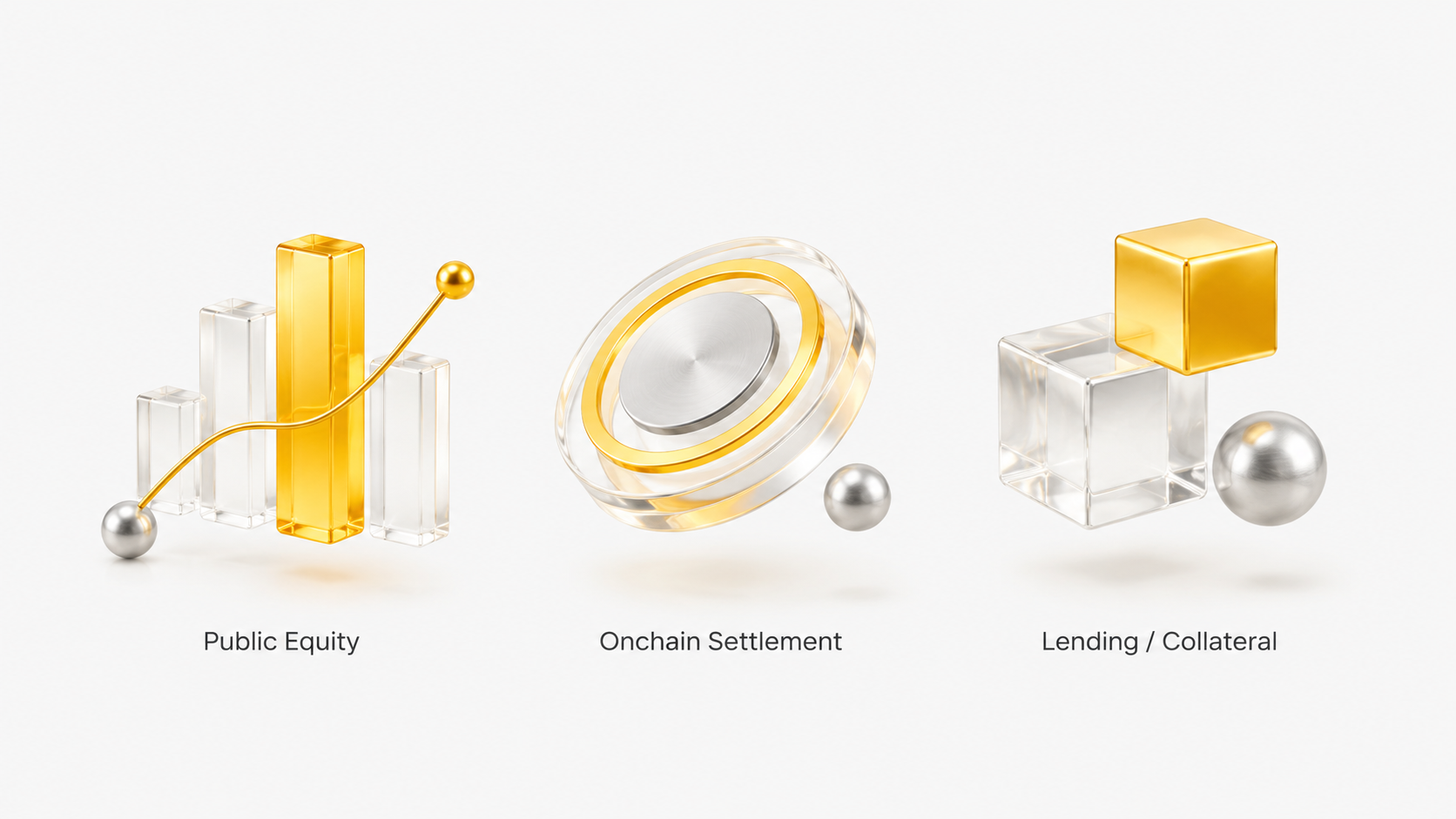
The company’s OPEN, or On-chain Public Equity Network, is designed around that idea. Figure says OPEN allows blockchain-native public equity to trade 24/7 on its alternative trading system, settle directly to self-custody wallets and interact with lending or collateral markets.
That does not automatically mean the system will replace traditional exchanges. Adoption depends on regulation, liquidity, market-maker participation and investor demand. But it gives Figure stock a differentiated narrative: the company is attempting to build financial-market infrastructure while simultaneously being a public-market issuer.
What Is Figure’s Blockchain Stock?
Figure introduced a Series A Blockchain Common Stock structure designed to exist natively on Provenance Blockchain. The important word is stock. It is intended to represent company equity rather than an independent cryptocurrency.
Figure argues that this structure differs from a wrapped or synthetic token that merely references a traditional share held elsewhere. In its model, the ownership record itself is maintained on blockchain infrastructure, and the equity can be traded through Figure’s regulated market structure.
This distinction is central for investors. A blockchain-native share can still carry securities-law obligations and equity economics. It should not be treated like a freely created crypto token simply because blockchain is used for issuance or settlement.
How OPEN Changes the Public-Equity Model
Figure says OPEN is designed to support several functions that are usually split across brokers, custodians, clearing systems and securities-lending desks. These include self-custody trading, blockchain settlement, margining and stock lending.
The potential benefit is a more direct relationship between the security holder and the market infrastructure. In theory, investors could hold securities in a wallet, transfer them within a regulated framework and use them as collateral without relying on as many separate intermediaries.
The challenge is that public markets are valuable partly because they already have deep liquidity, established investor protections and standardized clearing. Figure therefore has to prove that blockchain-native infrastructure offers enough efficiency to justify a new operating model.
What Could Drive Figure Stock Higher?
The bullish case for Figure stock rests on several drivers. First, consumer-lending and private-credit volumes need to continue growing. Second, Figure needs to show that its blockchain market infrastructure attracts issuers, investors and institutional partners rather than remaining a technology demonstration.
Third, acquisitions and product expansion could strengthen distribution. Figure has been building across lending, credit and capital markets, which may allow it to connect more assets to the same infrastructure. Finally, broader institutional adoption of tokenized securities could make Figure’s early investment in regulated blockchain rails more valuable.
What Are the Main Risks?
The first risk is execution. Building regulated securities infrastructure is slower and more complex than launching a permissionless crypto protocol. The second is liquidity: an onchain equity network needs enough buyers, sellers and market makers to create competitive pricing.
Credit exposure also matters. Figure remains connected to lending markets, so defaults, funding costs and a weaker economic cycle can affect operating performance. Regulation is another variable because blockchain-native securities sit at the intersection of securities law, custody rules and digital-asset policy.
Investors should also separate product novelty from economic value. A blockchain-based security is not automatically worth more than a traditional security. The investment case depends on whether the technology produces measurable improvements in cost, settlement, distribution or revenue.
Figure Stock vs Tokenized Crypto Assets
Figure’s blockchain stock should not be confused with an RWA token such as ONDO. Figure stock is company equity. ONDO is a crypto token associated with the Ondo ecosystem and the broader real-world-asset narrative.
The two can still belong to the same research theme: bringing traditional financial assets onchain. That is why investors interested in Figure stock may also follow RWA projects, stablecoin infrastructure and tokenized securities. But theme similarity does not create equivalent exposure.
A Related RWA Market on Tapbit
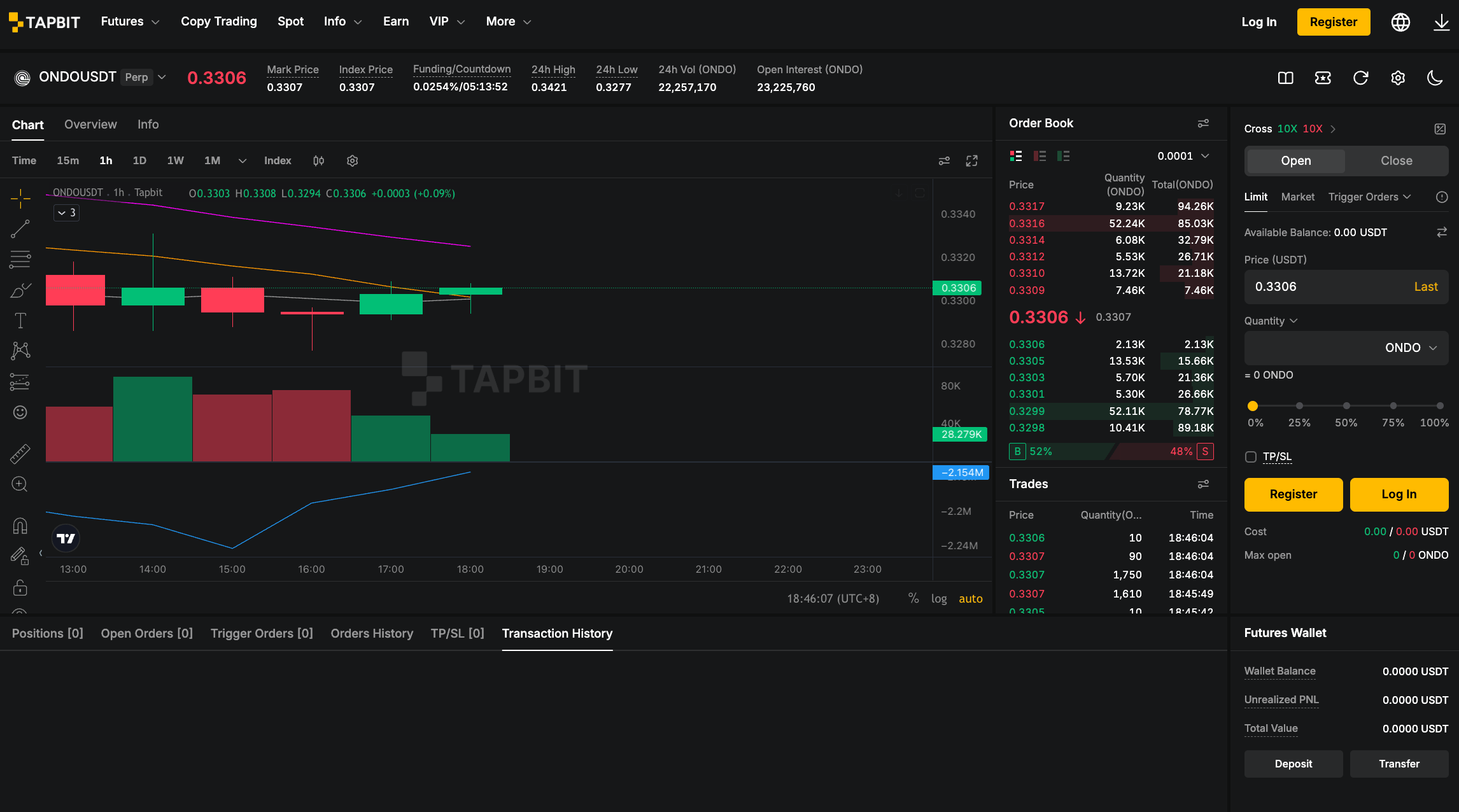
Tapbit does not have confirmed direct FIGR exposure. For users researching the broader tokenization theme, Tapbit offers ONDO-USDT perpetual futures. ONDO is not Figure stock and does not provide exposure to Figure Technology Solutions; it is simply a related RWA-sector asset.
-
Create an account or log in to Tapbit.
-
Open ONDO-USDT and review the contract name, mark price, index price and funding countdown.
-
Select Limit, Market or Trigger, set quantity, leverage and margin mode, then choose Open Long or Open Short.
-
Add TP/SL and monitor margin, Positions, Open Orders, Trigger Orders and liquidation risk.
Bottom Line
Figure stock is worth watching because FIGR sits directly inside the shift toward blockchain-native capital markets. Figure is trying to make public equity, lending and settlement work onchain rather than using blockchain only as a branding layer. The opportunity is meaningful if regulated tokenized finance grows, but the risks remain equally real: market liquidity, credit cycles, regulation and execution will determine whether the model scales. Investors looking for a crypto-market comparison can study ONDO as a related RWA asset, while remembering that ONDO is not a substitute for FIGR equity.
FAQ
Is Figure publicly traded?
Yes. Figure Technology Solutions trades publicly under the FIGR ticker.
What is Figure blockchain stock?
It is Figure’s blockchain-native common-stock structure designed to record and trade equity using Provenance Blockchain infrastructure rather than treating the asset as a separate crypto token.
Is Figure a crypto company?
Figure is better described as a capital-markets and lending technology company with substantial blockchain infrastructure. Its business spans regulated finance and digital assets.
Can I trade FIGR directly on Tapbit?
Direct FIGR support is not confirmed. ONDO-USDT is a related RWA market on Tapbit, but it is not direct Figure stock exposure.


