
POLYX in One Sentence — What It Actually Is
POLYX is the native utility token of Polymesh — a public blockchain purpose-built for the tokenization and management of regulated financial assets.
It is not a stablecoin, an equity stake in any company, or a governance token for a general-purpose chain. Think of POLYX as the fuel that powers every action on the Polymesh network: fees, staking, voting.
Polymesh launched in October 2021, created by Polymath and now overseen by the Polymesh Association, a Swiss not-for-profit entity. The token and the network are separate things — a distinction that trips up many beginners.
What Makes Polymesh Different From Other Blockchains
Most blockchains are general-purpose. Anyone can deploy a contract or transfer value with no identity requirements. Polymesh takes a different approach.
It is a permissioned public blockchain — open to read, but requiring verified on-chain identity to interact with assets. Since March 2026, this requirement applies to all non-POLYX assets on the network.
That compliance-first design is the point. Polymesh was built for regulated financial assets — tokenized securities, bonds, and investment funds where transfer rules and audit trails are legal requirements, not optional features. Compare this to Ethereum, where a token can be transferred to any address with no identity check. For regulated securities, that creates compliance problems. Polymesh solves them at the protocol level.
What Do You Actually Use POLYX For?
| POLYX Use Case | What It Means |
|---|---|
| Transaction fees | Every on-chain action requires a small POLYX payment |
| Protocol fees | Issuing assets on Polymesh requires POLYX |
| Staking (NPoS) | Staking POLYX helps secure the network via Nominated Proof-of-Stake |
| Governance | POLYX holders signal support for Polymesh Improvement Proposals |
| Network participation | KYC providers, legal delegators, and developers can earn POLYX |
The Nominated Proof-of-Stake mechanism works similarly to other PoS networks: node operators and nominators stake POLYX and are rewarded — or penalized — based on network performance.
POLYX, Polymesh, and RWA — How They Connect
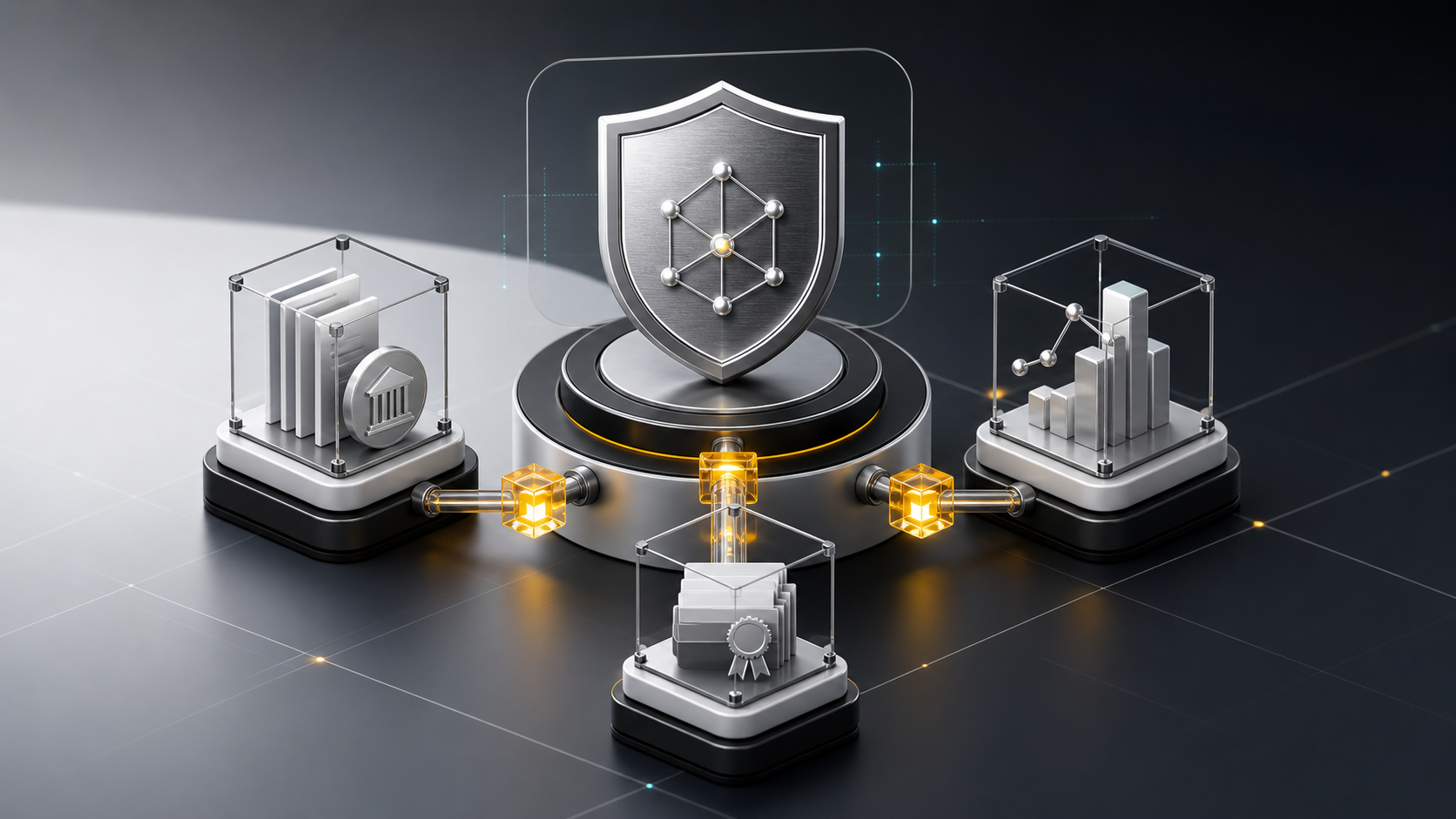
RWA stands for real-world assets — traditional financial instruments brought onto a blockchain as tokens. The RWA narrative has grown significantly in 2025–2026 as institutions explore tokenized securities and regulated on-chain settlement.
Polymesh sits inside this trend as purpose-built infrastructure for compliant asset tokenization. Other chains can host RWA tokens, but they require external compliance layers. Polymesh builds compliance in at the base layer.
POLYX holds a key regulatory distinction: it is registered with FINMA, Switzerland's financial market supervisory authority, as a utility token. This gives regulatory clarity within the Swiss framework — covering its role as network fuel, not its investment characteristics.
One important separation: Polymesh's institutional relevance and POLYX's market price are not the same variable. A network can attract more tokenized assets while the token trades flat, depending on supply, liquidity, and market conditions. For a useful comparison, see our breakdown of what the Ondo token means in the RWA context.
Key Things New Readers Often Confuse
A few distinctions worth pinning:
- POLYX ≠ Polymesh. POLYX is the token. Polymesh is the blockchain network.
- Polymesh ≠ Polymath. Polymath built the chain. The Polymesh Association now governs it.
- Tokenized assets on Polymesh ≠ POLYX. A tokenized bond on Polymesh is a distinct asset. Owning POLYX does not give you exposure to those assets.
- Institutional adoption ≠ POLYX price appreciation. More assets tokenized increases fee demand for POLYX — but market price depends on many other factors.
For a broader view of how infrastructure tokens compare, see our article on Chainlink vs. Quant.
What to Check Before Forming a View on POLYX
If you are researching POLYX, verify these through live sources — not static articles:
- Market cap and circulating supply — check a live data aggregator for current figures.
- Trading volume — recent data has shown POLYX trading volume in the low millions per day.
- On-chain activity — transaction count, active issuers, and tokenized asset count tell you more about real usage than price alone.
- Roadmap updates — Confidential Assets, a privacy-preserving settlement feature, has a planned mainnet deployment in 2026. Check the Polymesh blog for current status.
- Exchange and staking availability — verify through the Tapbit price page or official Polymesh sources.
Also useful: our overview of NEAR Protocol and chain abstraction for context on how different blockchains approach infrastructure design. And our guide to Interlink Network offers a parallel look at compliance-focused infrastructure tokens.
How to Trade POLYX Futures on Tapbit
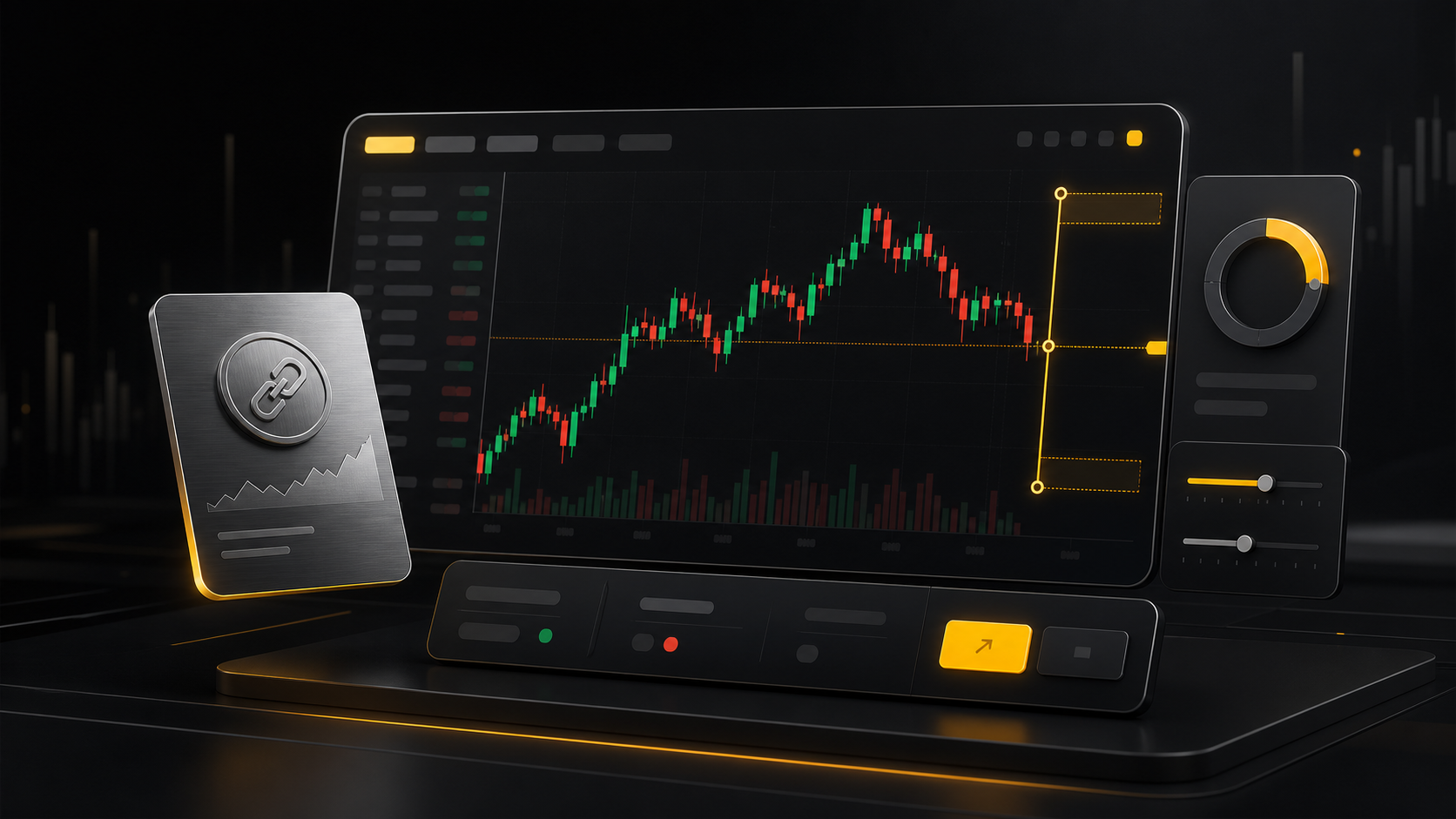
POLYX futures are the relevant Tapbit product here. Do not assume POLYX spot is available unless you verify it directly on the platform.
- Open POLYX futures on Tapbit.
- Check last price, 24H change, volume, funding, and order-book depth.
- Choose margin mode, leverage, and order type based on your plan.
- Set TP/SL before opening a long or short position.
POLYX futures are derivatives. They do not equal holding POLYX spot, and leverage can magnify both gains and losses.
Quick Takeaway — POLYX as Regulated Tokenization Infrastructure
Polymesh is the network. POLYX is what keeps it running. Every transaction, every asset issuance, every governance vote on Polymesh runs through POLYX.
The RWA connection is real — Polymesh was designed for regulated asset tokenization, and that narrative is getting more attention as institutions explore compliant on-chain settlement. But POLYX utility and POLYX market performance are separate questions. Evaluate them separately.
Check live market data, review Polymesh Association updates, and create a Tapbit account to track pricing and availability. For product fit, POLYX futures are better for active traders who understand leverage and liquidation risk. This article is for informational purposes only and does not constitute investment advice.
FAQ
What is the difference between POLYX and Polymesh?
POLYX is the native token of the Polymesh blockchain. Polymesh is the network itself. Think of POLYX as the fuel and Polymesh as the engine — separate things that work together.
What is Polymesh used for?
Polymesh is a blockchain built for regulated asset tokenization — tokenized securities, bonds, funds, and other financial instruments that require compliance features like verified identity and transfer restrictions built into the protocol.
Is POLYX an RWA coin?
POLYX is the utility token of a blockchain designed for RWA tokenization. It is not itself a tokenized real-world asset. The RWA tokens live on Polymesh; POLYX powers the network those tokens run on.
Is POLYX registered with any regulator?
Yes. POLYX is registered with FINMA, Switzerland's financial regulator, as a utility token. This regulatory clarity covers its network utility role, not its investment characteristics.
Can I stake POLYX?
Yes. Polymesh uses a Nominated Proof-of-Stake consensus mechanism. POLYX holders can stake to help secure the network and earn rewards. Staking options vary by platform — verify current availability through official sources.
Who created the Polymesh blockchain?
Polymesh was originally created by Polymath. The Polymesh Association, a Swiss not-for-profit entity, now governs the protocol and promotes its development.


