
Two supply figures present contrasting pictures for PUMP.
Pump.fun has permanently removed more than 163 billion tokens — over 16% of the original 1 trillion supply. At the same time, fewer than 400 billion PUMP are currently designated as circulating, with additional team and investor tokens scheduled to become available.
The burn is real, but so is the dilution risk.
So assessing PUMP's price requires more than following Pump.fun's daily buyback dashboard. Traders need to track three moving figures in parallel: protocol revenue, tokens burned, and net new tokens entering circulation.
Pump.fun’s $445 Million Burn Is Verifiable
Pump.fun introduced its current buyback-and-burn structure in April 2026. Half of eligible platform revenue was programmatically allocated to open-market PUMP purchases for one year, with the purchased tokens sent to burn addresses.
The project’s official PUMP dashboard showed the following figures as of August 30:
-
Approximately $444.95 million used for buybacks and burns
-
About 163.44 billion PUMP permanently removed
-
16.344% of the original maximum supply offset
-
Close to $1 million spent during the latest daily burn
-
Approximately $432 million in annualized revenue based on the 90-day average
The dashboard also publishes daily purchase and burn records. During the final ten days of August, Pump.fun regularly spent between roughly $840,000 and $1.46 million per day, removing hundreds of millions of PUMP in each session.
This gives the token a value-capture mechanism that can be checked on-chain. The platform earns fees, part of that revenue purchases PUMP, and the purchased tokens cannot return to the market after they are burned.
That does not mean PUMP holders receive Pump.fun’s revenue.
The Burn Is Not a Dividend
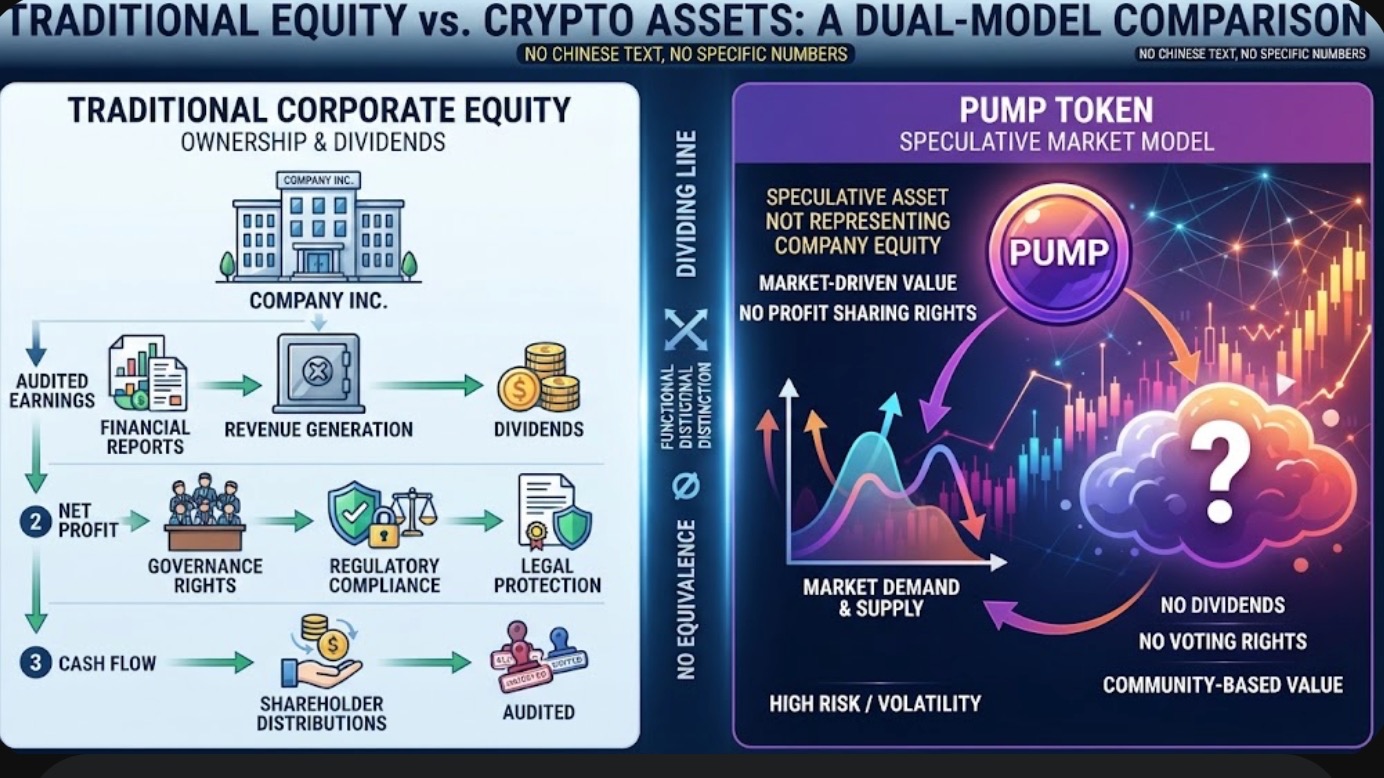
PUMP does not represent equity in Pump.fun. It does not give holders a legal claim on platform revenue, profits, assets or cash distributions.
The project’s own April announcement makes this distinction explicit. References to buybacks describe smart-contract activity rather than a financial obligation to token holders. Pump.fun also warns that purchases may influence market price and liquidity without guaranteeing appreciation.
This matters because DeFi data platforms sometimes classify buybacks as “token holder revenue.” In PUMP’s case, holders do not receive stablecoins or another asset. The economic benefit, if there is one, comes indirectly through open-market demand and a lower token supply.
The model resembles a buyback more than a dividend, but it does not provide the ownership rights associated with a corporate share.
Why 36% Became 16%
When Pump.fun announced the large April burn, it described the removed tokens as approximately 36% of circulating supply. The current dashboard says 16.344% of supply has been burned.
Both percentages can describe the same event because they use different denominators.
The 36% figure compared the burn with the smaller circulating supply at the time. The 16.344% figure compares all burned tokens with PUMP’s original maximum supply of one trillion.
The second figure is more useful for tracking long-term tokenomics. CoinMarketCap currently records a total supply of approximately 836 billion PUMP, broadly consistent with the original one trillion minus the tokens already destroyed.
The April burn also consisted largely of tokens that Pump.fun had previously repurchased. Those tokens had already left active market circulation while held by the protocol. Burning them made their removal permanent, but it did not create the entire $370 million of buying pressure on the announcement date.
The buying happened earlier. The burn removed the possibility of a future resale.
Total Supply Can Fall While Circulating Supply Rises
Burns reduce total supply. Unlocks can increase circulating supply. Both can happen at the same time.
CoinMarketCap showed approximately 395.9 billion PUMP in circulation on September 2, equal to around 39.6% of the original maximum supply. The current total supply was about 836 billion after accounting for burns.
A large quantity of PUMP is therefore either unlocked but not classified as circulating or still subject to vesting arrangements.
When team or investor tokens unlock, they are not automatically sold. They do become more available for transfer, liquidity provision or eventual sale. That potential supply can offset part of the scarcity created by daily burns.
Calling PUMP “deflationary” without discussing the unlock schedule gives an incomplete picture. Its maximum supply is shrinking, but its tradable float may still expand.
The PUMP Price Is Still Driven by More Than Burns
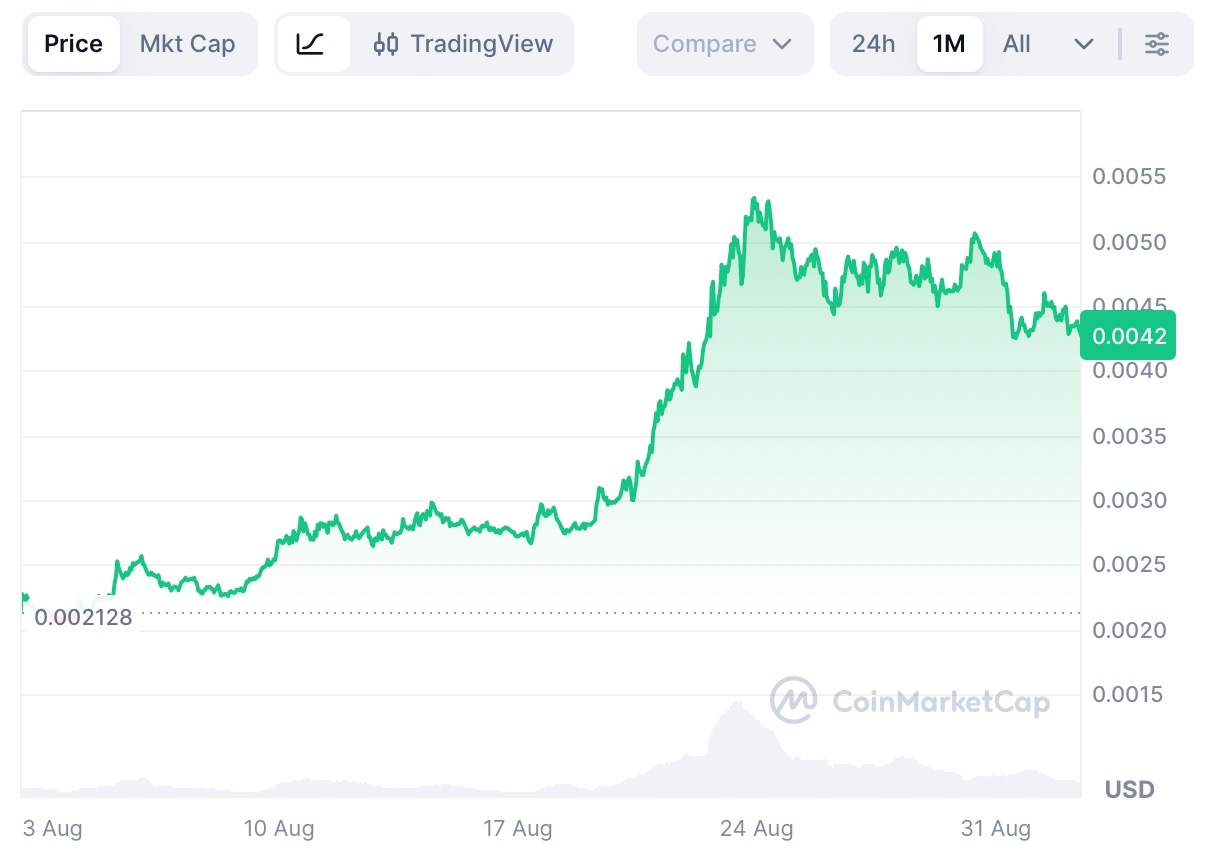
PUMP traded near $0.00415 on September 2, with a circulating market capitalization of approximately $1.64 billion. Its 24-hour trading volume was around $143 million.
The token was down roughly 8% over the preceding day and remained about 66% below its historical high. Yet it was still trading at more than twice the approximately $0.0019 price recorded after the April burn announcement.
That performance suggests the buyback narrative has gained credibility. It does not prove that burns control the price.
PUMP remains exposed to Solana activity, memecoin demand, wider crypto liquidity and scheduled token releases. A daily buyback near $1 million can provide recurring demand, but it cannot prevent larger holders or a broad market decline from overwhelming that demand.
The mechanism may soften sell pressure without eliminating it.
The One-Year Deadline Matters
The current 50% revenue allocation is locked for one year from late April 2026. That places the expected end of the programmed period around April 2027.
Pump.fun may extend the arrangement, but the current policy should not be described as permanent.
The project’s disclaimer states that future purchases outside the deterministically programmed period may be modified, suspended or discontinued. That creates a clear date for traders to monitor.
As April 2027 approaches, the market will need answers about whether the contract will be renewed, what percentage of revenue will be allocated and how future burns will be governed.
A token valued partly on recurring buybacks may react before the policy actually expires.
The Useful Calculation Is Net Supply
Looking only at the burn dashboard produces a bullish answer. Looking only at the unlock calendar produces a bearish one. Neither is sufficient.
The more useful calculation is: Tokens burned minus tokens newly entering circulation.
If monthly burns exceed new circulating supply, the tradable float contracts. If unlocks and distributions exceed burns, the float grows even as the maximum supply declines.
Revenue determines one side of that equation. Vesting and holder behavior determine the other.
Pump.fun has already shown that it can generate meaningful cash flow and execute on-chain burns. It has not removed the need to evaluate dilution, platform activity and the limited direct utility of PUMP itself.
The launchpad can continue operating without every user holding PUMP. That makes the revenue-funded buyback especially important to the token’s economic case.
Burns Are Working, but They Are Not Working Alone
Pump.fun has delivered more than a marketing promise. It has spent hundreds of millions of dollars buying PUMP and has permanently destroyed over 16% of the original supply.
The unresolved question is whether this process is reducing the supply that traders actually encounter in the market.
September’s unlock should provide another test. If PUMP absorbs several billion newly available tokens while revenue and daily burns remain strong, confidence in the model may improve. If circulating supply rises faster than tokens are removed, the “deflationary PUMP” narrative will need qualification.
The burn ledger is impressive. The unlock ledger decides how much of it reaches the market.
Tapbit publishes market research on the forces moving crypto assets, from protocol revenue to token supply. Readers can explore Tapbit, enter an existing account or complete new user registration.
Frequently Asked Questions
How much PUMP has Pump.fun burned?
Pump.fun reported approximately 163.44 billion PUMP burned as of August 30, 2026. That equals about 16.344% of the original maximum supply of one trillion tokens.
How much has Pump.fun spent on PUMP buybacks?
The official PUMP dashboard reported approximately $444.95 million in cumulative buybacks and burns.
Why did some reports say Pump.fun burned 36% of PUMP?
The 36% figure used the circulating supply at the time of the April announcement. The current 16.344% figure uses the original maximum supply. The percentages have different denominators.


