

The CLARITY Act is scheduled for a procedural vote on September 15, 2026. That may appear to be progress, but only in a limited sense.
The vote will not decide the bill's fate — it will decide whether the Senate is willing to begin debating it at all.
And that distinction is significant. After more than a year of work on a crypto market framework, lawmakers remain divided over stablecoin rewards, DeFi protections, political ethics, and the jurisdictional line between the SEC and CFTC. Yet a vote has been scheduled before those disputes have been resolved.
What Will Happen on September 15?
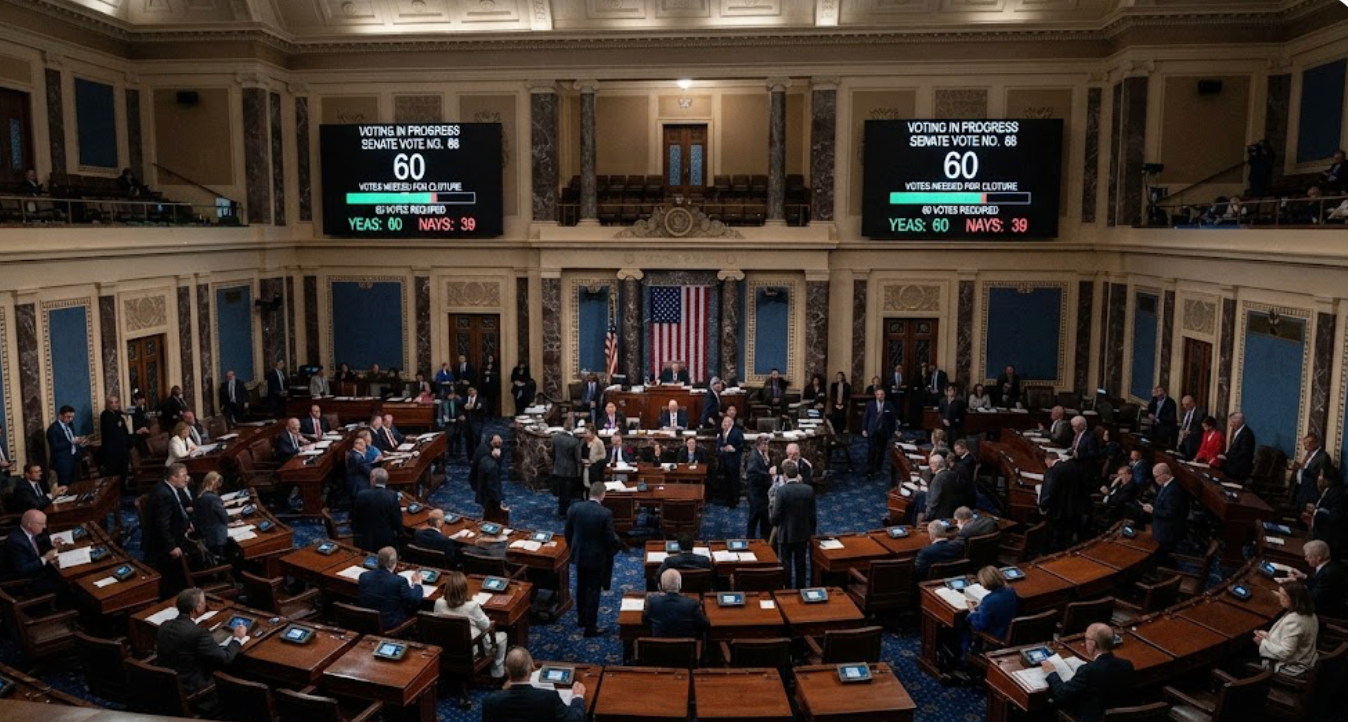
Senate Majority Leader John Thune filed a cloture motion on the motion to proceed to H.R. 3633, formally known as the Digital Asset Market Clarity Act.
According to the US Senate schedule, the motion will ripen at 2:15 p.m. on September 15. The Senate returns for regular business one day earlier.
Cloture requires 60 votes. If the motion succeeds, the Senate can begin formal consideration of the bill. Senators may then debate the text, propose amendments and eventually hold a final vote.
If the motion fails, the bill stays off the floor unless leadership finds another route to revive it.
The September 15 vote is therefore a test of whether the CLARITY Act has a workable Senate coalition. It is not the final step in the legislative process.
How the Bill Reached This Point
The House passed its version of the CLARITY Act in July 2025 by a vote of 294–134. The Senate then developed its own approach, drawing on work by the Banking and Agriculture committees.
In May 2026, the Senate Banking Committee advanced the legislation by a 15–9 vote. Two Democrats joined Republicans, giving the bill a degree of bipartisan support but not enough to guarantee 60 votes on the Senate floor.
Senator Cynthia Lummis released an updated version in July that combined work from the two committees. At the time, she described the remaining period as one of the last realistic opportunities to complete comprehensive crypto legislation for several years.The updated Senate text did not end negotiations.
The Senate left Washington for its August recess without taking up the bill. Thune’s cloture filing kept H.R. 3633 alive and secured a September test, but it did not resolve the policy disagreements that caused the delay.
The Missing Votes Are Tied to Real Policy Disputes
The CLARITY Act is often described as a contest between a pro-crypto industry and anti-crypto lawmakers. The actual debate is less tidy.
Many senators agree that the United States needs clearer digital-asset rules. They do not agree on what companies, developers, banks and public officials should be allowed to do under those rules.
Stablecoin rewards remain part of the dispute. Banks argue that interest-like rewards on stablecoin balances could draw deposits away from traditional financial institutions. Crypto companies respond that overly broad restrictions would protect banks from competition and prevent users from benefiting from new payment products.
DeFi creates a different problem. Lawmakers want to protect developers who write open-source code without giving criminal operators an easy way to avoid financial regulation. Law-enforcement groups have warned that Section 604 could leave gaps in oversight and make illicit transactions harder to investigate.Their May letter acknowledged revisions to the bill but called for further changes.
Political ethics may be the hardest issue to bridge. Democrats have pushed for stronger restrictions on elected officials and their families profiting from crypto ventures while in office. Without an acceptable ethics provision, the bill may struggle to attract the Democratic votes required for cloture.
These disagreements cannot be solved by renaming the bill or repeating that regulatory clarity is important. They require lawmakers to decide where the protections end and the exemptions begin.
What the CLARITY Act Would Change
The bill’s central purpose is to define how federal agencies regulate digital assets.
Under the proposed framework, the CFTC would receive broader authority over digital commodities and the platforms that trade them. The SEC would continue overseeing digital-asset securities and investment contracts. The legislation would also create registration requirements for exchanges, brokers and dealers operating in covered markets.
One of its most consequential ideas is that a token originally sold through an investment contract may not remain a security forever. A sufficiently mature or decentralized blockchain could qualify for different treatment, subject to disclosure and review.
This matters because the legal status of a token affects where it can trade, how it can be issued and which agency can bring enforcement actions. The bill would not make every cryptocurrency a commodity, nor would it remove securities law from the market. It would create a process for drawing those boundaries.
Why the 2026 Timeline Looks Difficult
Passing cloture would open the door, but much of the legislative work would still lie ahead.
The Senate would need to complete debate, process amendments and approve a final bill. Any Senate changes would then have to be reconciled with the version passed by the House. Both chambers must approve the same text before it can reach the president.
The calendar is unforgiving. Lawmakers return in mid-September with only a short working window before campaigning intensifies ahead of the midterm elections.
Galaxy Research has reduced its estimate of the bill becoming law in 2026 to 10%, citing unresolved provisions and the limited Senate schedule. Prediction-market traders were assigning roughly a 14% chance at the time of research. Neither figure is an official forecast, but both show how far expectations have fallen since the Senate committee vote.
A cloture victory could change that outlook quickly. It would show that enough senators are prepared to negotiate on the floor. A defeat would make completion before year-end considerably harder.
Crypto Regulation Is Moving Without Congress
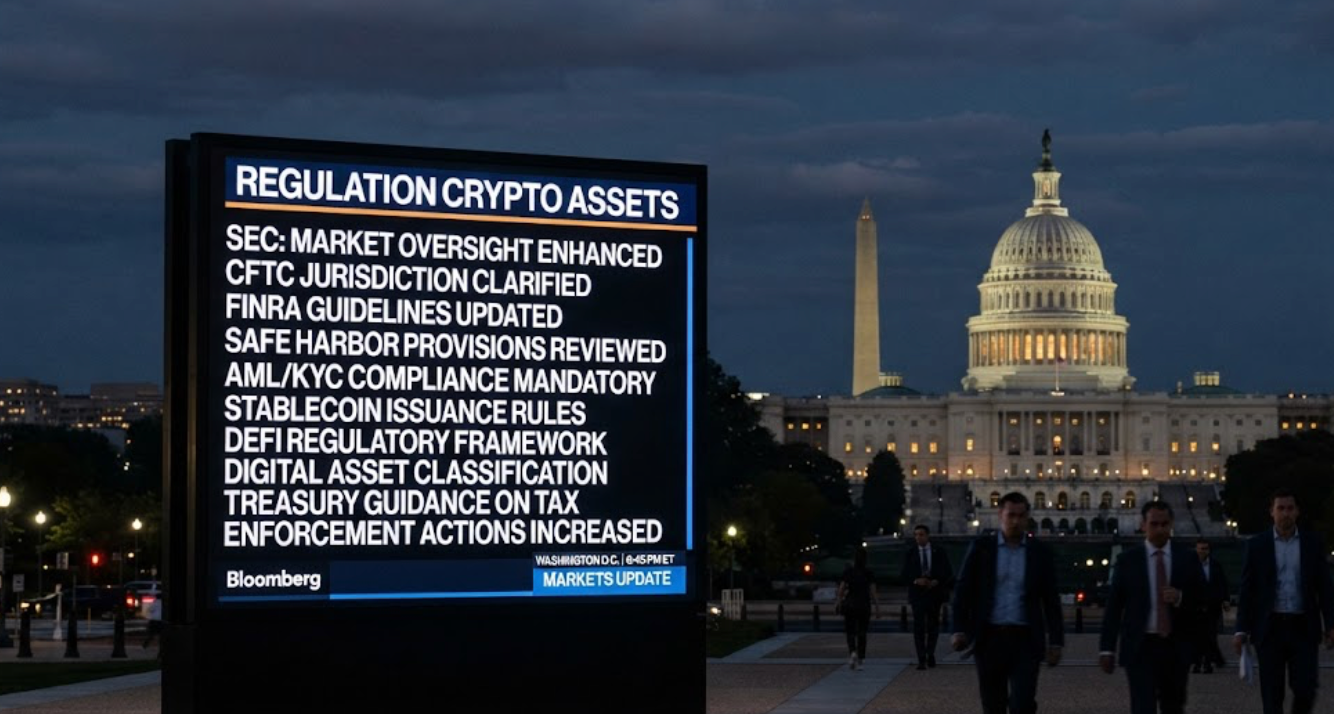
The regulatory process has not stopped while the CLARITY Act waits.
In March 2026, the SEC and CFTC issued a coordinated interpretation addressing how federal securities laws apply to certain crypto assets. The guidance examined how a non-security token may become associated with an investment contract and how that relationship can later end.
The SEC went further in August by proposing Regulation Crypto Assets. The proposal would establish tailored exemptions for certain crypto offerings, including a startup exemption of up to $5 million over four years and a fundraising exemption of up to $75 million in a 12-month period. It would also provide a conditional safe harbor for qualifying assets.
These measures may offer issuers clearer compliance routes, but agency rules are not a substitute for legislation. Regulators can interpret and administer existing laws; they cannot permanently settle every jurisdictional question between the SEC and CFTC.
Administrative policy can also change when agency leadership changes. A statute passed by Congress would be harder to reverse.
What the Vote Could Mean for Crypto Markets
The September vote is unlikely to determine Bitcoin’s technical or monetary outlook. Bitcoin will continue producing blocks whether cloture succeeds or fails.
The effects are more direct for businesses that need to know which regulator oversees them. Exchanges, brokers, custodians, token issuers and DeFi interfaces all make product and compliance decisions around that uncertainty.
A successful vote could improve sentiment toward US-facing crypto companies and tokens whose legal classifications remain unclear. The reaction would still depend on the amendments that follow. A bill that advances with tighter stablecoin or DeFi restrictions could help one part of the industry while creating costs for another.
A failed vote would not leave the market without rules. The SEC, CFTC and courts would continue shaping policy. It would, however, prolong dependence on agency interpretation and leave companies more exposed to future changes in enforcement priorities.
September Will Test the Coalition, Not Finish the Bill
The CLARITY Act has survived missed deadlines, committee disputes and an August delay. Its continued presence on the Senate calendar shows that leadership has not abandoned it.
Survival is not the same as momentum.
The decisive question is whether supporters can turn general agreement about regulatory clarity into 60 votes for a specific bill. That will require compromises on ethics, stablecoin rewards, DeFi and enforcement authority before or during floor debate.
September 15 will reveal whether that coalition exists. Even a successful vote would mark the beginning of the final legislative fight, not its conclusion.
Tapbit will continue following the policy decisions that shape crypto trading, token issuance and market access. Readers can explore further market coverage through Tapbit, access an existing account from the login page, or begin registration here.
Frequently Asked Questions
What is the CLARITY Act?
The Digital Asset Market Clarity Act is proposed US legislation that would establish a federal market structure for digital assets. It aims to define the respective roles of the SEC and CFTC and create rules for crypto exchanges, brokers, dealers and token issuers.
When is the next CLARITY Act vote?
The cloture motion on the motion to proceed is scheduled to ripen on September 15, 2026, at 2:15 p.m., according to the US Senate schedule.
Is September 15 the final Senate vote?
No. It is a procedural vote on whether the Senate should begin considering the bill. If it passes, debate, amendments and a final Senate vote would still be required.


