
ZEC is the native cryptocurrency of Zcash, a blockchain designed to make digital payments more private. Its defining feature is choice: users can send transparent transactions that resemble Bitcoin transfers, or shielded transactions that keep key details encrypted on the public ledger.
The privacy layer is powered by zero-knowledge proofs called zk-SNARKs. These proofs allow the network to check that a payment follows the rules without publishing all of the information inside it. That sounds simple, but it changes what a public blockchain needs to reveal.
If you are exploring digital assets, you can create a Tapbit account to access the platform’s available markets and educational resources. Asset availability varies by region, and this article does not imply that ZEC is available in every market.
What Is ZEC Crypto?
ZEC is the currency used on the Zcash network. Zcash launched in 2016 and was built from Bitcoin’s codebase, so the two networks share several characteristics. Both use proof-of-work mining, both produce a public blockchain, and both cap the maximum supply at 21 million coins.
The difference lies in how transaction information can be handled. Bitcoin normally displays the sending address, receiving address and transferred amount on-chain. Zcash retains a transparent option but also adds shielded address types that can conceal those details while still allowing the network to reject invalid payments and double spending.
ZEC pays transaction fees, transfers value between users and rewards miners who secure the network. Its market price is determined by supply and demand, which means privacy technology alone does not guarantee price appreciation.
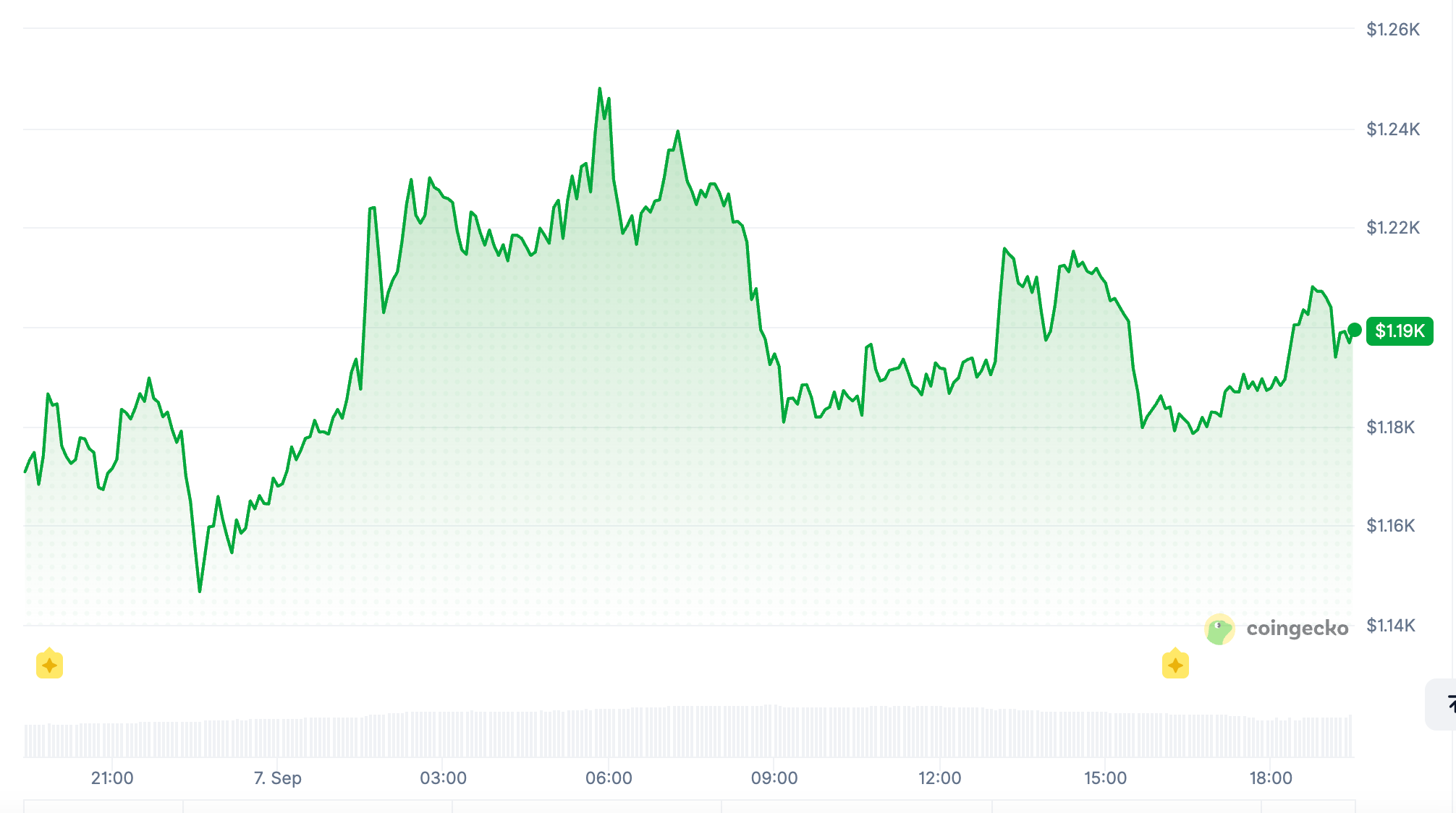
How Zcash Privacy Transactions Work
A Zcash wallet can use transparent receivers, shielded receivers or a Unified Address that packages compatible receiver types together. A transparent-to-transparent transfer is publicly visible. A fully shielded transfer keeps the sender, recipient and amount out of public view, while an optional encrypted memo can carry private information for the recipient.
Transactions can also move value between transparent and shielded pools. In those mixed cases, the transparent side remains visible. Depositing a distinctive amount into a shielded address and later withdrawing the same amount, for example, may give observers clues even though the internal shielded movement is hidden.
This is why “shielded” is more accurate than “completely anonymous.” Zcash can protect on-chain transaction data, but privacy also depends on how a wallet constructs payments, whether a user reuses addresses and what information is held by exchanges, internet providers or other services.
What Are zk-SNARKs?
zk-SNARK stands for “Zero-Knowledge Succinct Non-Interactive Argument of Knowledge.” In practical terms, it is a small cryptographic proof showing that someone knows valid private data without revealing that data itself.
For a shielded Zcash payment, the proof demonstrates that the sender is authorized to spend the coins, that the inputs and outputs balance, and that the same funds have not already been spent. Network nodes can verify the proof without learning the protected addresses or amount. Zcash’s official zk-SNARK explainer describes this as a way to keep transaction data encrypted while still allowing consensus rules to be enforced.
“Succinct” refers to proofs that are relatively small and quick to verify. “Non-interactive” means the prover can create a proof that a verifier checks without a back-and-forth exchange. The final phrase, “argument of knowledge,” means the proof shows possession of the secret information needed to make a valid statement.
Transparent vs Shielded Zcash Transactions
| Feature | Transparent transaction | Shielded transaction |
|---|---|---|
| Sender and receiver | Visible on-chain | Protected in a fully shielded transfer |
| Amount | Visible | Protected |
| Verification | Standard public transaction data | Cryptographic proof verifies validity |
| Wallet support | Broad compatibility | Requires compatible shielded support |
| Privacy level | Pseudonymous, not private | Stronger on-chain privacy, with external limits |
The distinction matters because holding ZEC does not automatically make an account private. Privacy comes from the transaction path. Users should check which receiver type their wallet or service supports before sending funds.
Orchard, Halo 2 and Unified Addresses
Zcash has upgraded its shielded technology over time. The NU5 network upgrade, activated in May 2022, introduced the Orchard shielded protocol and the Halo 2 proving system. Orchard removed the need for the trusted setup previously associated with older Zcash shielded systems.
Unified Addresses were introduced to improve usability. Rather than asking a sender to understand several address formats, one Unified Address can contain multiple receiver types, such as Orchard, Sapling and transparent receivers. A compatible wallet can choose the best supported option. Zcash documentation recommends Unified Addresses for new applications unless a specific compatibility requirement calls for another format.
These changes make shielded payments easier to integrate, but wallet and exchange support still differs. A service may support ZEC deposits while accepting only a transparent receiver, so users should verify the exact format before transferring funds.
What Is ZEC Used For?
ZEC can be used for peer-to-peer payments, transaction fees and transfers where the user wants control over public disclosure. Shielded transactions may be useful when publishing a balance or payment history would create personal or commercial risk.
Zcash also supports viewing keys. A user can share a viewing key with an auditor, accountant or trusted third party to disclose selected shielded transaction information without giving away spending authority. This selective disclosure model is important because privacy and legitimate reporting do not always need to conflict.
Beyond payments, ZEC is traded as a speculative asset. That introduces market risk separate from the protocol. Price can react to liquidity, exchange availability, mining economics, regulation, broader crypto sentiment and demand for privacy-focused assets.
Zcash Privacy Limits and Key Risks
zk-SNARKs protect information recorded inside shielded transactions, but they do not erase every trail around a payment. A regulated exchange may connect withdrawals and deposits to a verified identity. Network observers may study IP addresses or timing. Repeated amounts and movements between transparent and shielded addresses can also weaken privacy.
Operational mistakes matter as well. Sending to an unsupported address type may fail, while copying the wrong address can permanently lose funds. Users should make a small test transfer, confirm network and address compatibility, and keep wallet software updated.
Privacy coins also face changing legal and platform policies. Some exchanges or jurisdictions restrict them, and support can be removed with limited notice. ZEC holders should check local rules and withdrawal options rather than assuming universal access.
Conclusion
ZEC gives users a choice that most public blockchains do not: transactions can remain transparent or use shielded technology to protect on-chain details. zk-SNARKs make that possible by proving a payment is valid without revealing its private inputs.
The strongest takeaway is that Zcash privacy is a tool, not an automatic condition. A fully shielded payment can hide the sender, receiver and amount from the public ledger, but privacy still depends on wallet support, transaction behavior and information exposed outside the blockchain.
FAQ
Is every ZEC transaction private?
No. Transparent Zcash transactions expose addresses and amounts on-chain. Stronger on-chain privacy requires a fully shielded transaction between compatible shielded receivers.
What does zk-SNARK mean?
It stands for Zero-Knowledge Succinct Non-Interactive Argument of Knowledge. The proof confirms that a statement is valid without revealing the private information used to prove it.
Can shielded Zcash transactions be audited?
Yes. A user may share a viewing key to disclose selected transaction information without sharing the private key that controls the funds.
Does Zcash have the same supply limit as Bitcoin?
Zcash has a maximum supply of 21 million ZEC. Its issuance schedule and network rules are separate from Bitcoin, even though Zcash began from Bitcoin-derived code.
Are ZEC transactions completely anonymous?
No privacy system guarantees anonymity in every situation. Shielded transactions can conceal on-chain details, but exchange KYC records, network metadata, wallet practices and recognizable transaction patterns may still reveal information.


