
Robinhood Chain is one of the clearest examples of traditional finance moving deeper into blockchain infrastructure. Instead of using crypto only as a trading product, Robinhood is building a dedicated network for tokenized assets, stock tokens, DeFi integrations, and onchain financial applications.
In simple terms, Robinhood Chain is a Layer 2 blockchain built with Arbitrum technology and designed for real-world asset tokenization. Its biggest early use case is supporting Robinhood Stock Tokens, which give eligible users exposure to tokenized versions of stocks and ETFs.
For users tracking crypto infrastructure, tokenized assets, and cross-market trading tools, the Tapbit registration page offers broader access to crypto market features and digital asset tools.
What Is Robinhood Chain?
Robinhood Chain is a blockchain network developed by Robinhood to support onchain financial products. It is designed around tokenized real-world assets, especially stock tokens and ETF tokens, rather than meme coins or purely crypto-native assets.
The network is built as a Layer 2 chain using Arbitrum infrastructure. That means it is connected to the Ethereum ecosystem while aiming to provide faster, lower-cost, and more customizable infrastructure than Ethereum mainnet alone.
Robinhood Chain matters because it is not being launched by a small crypto startup. It is connected to one of the most recognizable retail trading brands in the United States, which makes it an important case study for how large financial platforms may bring traditional assets onto blockchain rails.
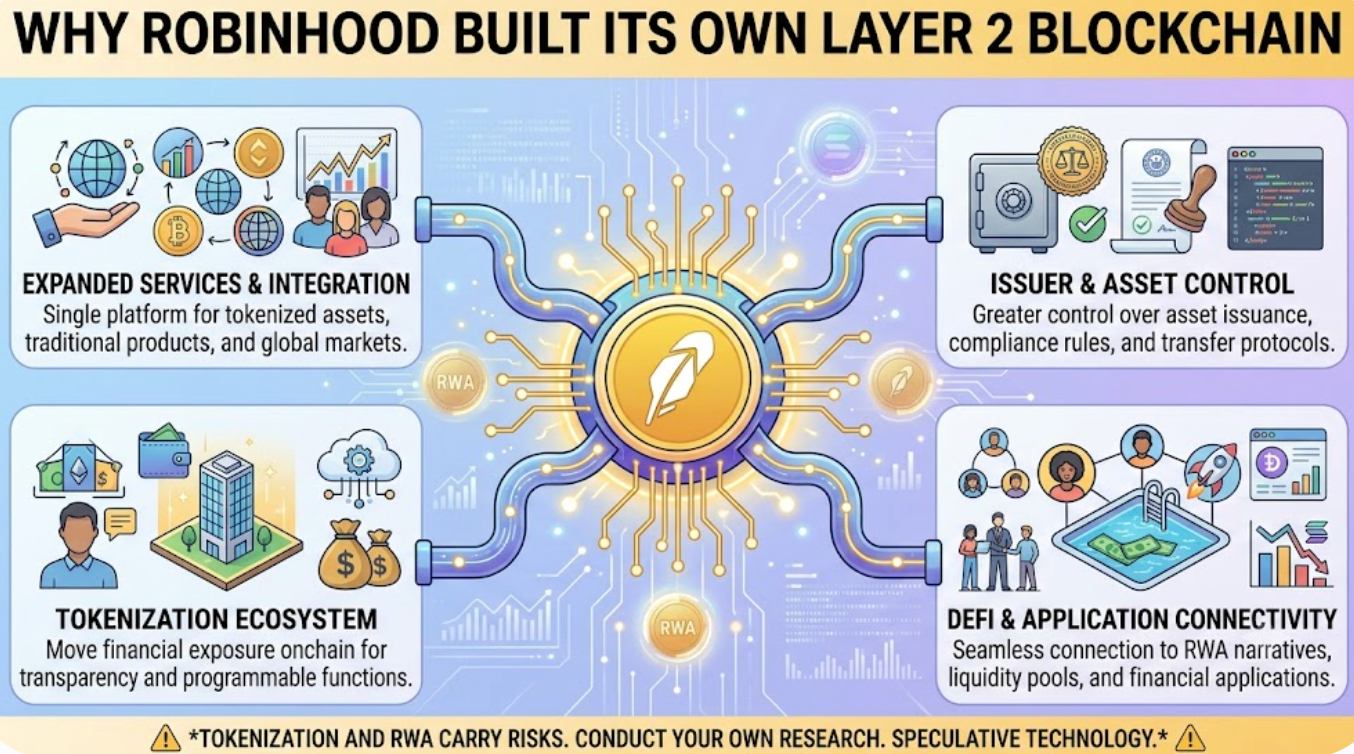
Why Robinhood Built Its Own Layer 2 Blockchain
Robinhood has expanded from stock trading into crypto, futures, retirement products, and international markets. A dedicated chain gives the company more control over how tokenized assets are issued, transferred, traded, and connected to financial applications.
The main idea is tokenization. Instead of keeping financial exposure only inside traditional brokerage systems, tokenized products can potentially move onchain, interact with wallets, and connect with liquidity or lending applications. This is where Robinhood Chain fits into the broader RWA narrative.
Robinhood Chain and Stock Tokens
The most important product connected to Robinhood Chain is Stock Tokens. These are blockchain-based assets designed to provide eligible users with exposure to stocks or ETFs through tokenized products.
However, users should not automatically assume that stock tokens are the same as directly holding traditional shares. The exact rights may depend on the issuer, jurisdiction, legal structure, custody model, dividend treatment, redemption rules, and platform terms.
| Feature | Robinhood Chain Role |
|---|---|
| Stock Tokens | Core tokenized asset product |
| Layer 2 Infrastructure | Faster and lower-cost onchain settlement |
| RWA Tokenization | Brings real-world financial exposure onchain |
| DeFi Integration | Enables lending, borrowing, liquidity, and collateral use cases |
| Ethereum Ecosystem | Built with Arbitrum technology and connected to Ethereum infrastructure |
Is Robinhood Chain Crypto or TradFi?
Robinhood Chain sits between crypto and traditional finance. It uses blockchain technology, smart contracts, wallets, Layer 2 infrastructure, and onchain settlement. At the same time, its most important use case is not a typical crypto token. It is financial market access through tokenized assets.
That makes Robinhood Chain part of the growing “TradFi x Crypto” trend. More financial platforms are exploring blockchain for settlement, asset distribution, collateral use, and 24/7 market access. Robinhood Chain is one of the more visible examples because it connects tokenization with a mainstream investing brand.
How Robinhood Chain Uses Arbitrum
Robinhood Chain is built using Arbitrum technology. Arbitrum is one of the largest Ethereum Layer 2 ecosystems and is widely used for scaling Ethereum applications with lower fees and faster execution.
For Robinhood, using Arbitrum helps provide Ethereum compatibility while allowing a more customized environment. Financial products need predictable performance, reliable infrastructure, and integrations with wallets, data providers, liquidity systems, and compliance tools. A dedicated chain can make that easier to control.

Why Robinhood Chain Matters for RWA Tokenization
Real-world asset tokenization is one of the biggest narratives in crypto because it connects blockchain infrastructure with assets people already understand: stocks, funds, commodities, private credit, treasuries, and other financial instruments.
Robinhood Chain is important because Robinhood already has a large retail user base and a recognizable financial brand. If tokenized stocks become easier to access, trade, and integrate with onchain applications, Robinhood Chain could become a major test case for mainstream RWA adoption.
Potential Benefits of Robinhood Chain
Robinhood Chain may offer several potential benefits if adoption grows. It can support tokenized assets with blockchain settlement, which may improve transferability and create new onchain use cases. It may also allow financial products to interact with DeFi applications such as lending, liquidity pools, and collateralized trading.
A dedicated chain also gives Robinhood more control over infrastructure performance compared with building only on shared public networks. That matters if tokenized financial products need high uptime, predictable cost, and stable settlement conditions.
Main Risks of Robinhood Chain and Stock Tokens
Robinhood Chain also carries risks. Tokenized stocks and real-world assets are still developing from a regulatory perspective. Different countries may treat these products differently, and access may be restricted by jurisdiction.
There is also structural risk. A stock token may represent economic exposure, but users need to understand whether it includes voting rights, dividend rights, redemption rights, custody protections, and issuer obligations.
| Risk Area | Why It Matters |
|---|---|
| Regulation | Tokenized stocks may face different rules by country |
| Ownership Rights | Token exposure may not equal direct stock ownership |
| Liquidity | Thin markets can create price gaps and slippage |
| Custody | Users must understand who holds or backs the assets |
| Smart Contracts | Onchain products can face technical or security risks |
| Market Confusion | Users may misunderstand tokenized exposure |
Is Robinhood Chain Good for Crypto Adoption?
Robinhood Chain could be positive for crypto adoption because it shows that large financial platforms are taking blockchain infrastructure seriously. Instead of treating crypto only as speculative tokens, Robinhood is using blockchain for market access, tokenized assets, settlement, and financial product design.
Still, adoption is not guaranteed. Many users may prefer traditional brokerage accounts, while regulators may closely examine tokenized stocks and related products. Robinhood Chain’s long-term relevance will depend on product demand, regulatory clarity, liquidity, and whether users find real advantages in onchain financial access.
Conclusion
Robinhood Chain is a Layer 2 blockchain built with Arbitrum technology and designed for tokenized real-world assets, especially Robinhood Stock Tokens.
Its importance comes from the intersection of crypto infrastructure and traditional finance. If tokenized stocks, lending, and onchain market access continue gaining traction, Robinhood Chain could become an important network in the RWA sector.
However, users should understand the risks. Tokenized assets are not automatically the same as direct stock ownership, and the market still faces regulatory, liquidity, custody, and smart-contract challenges.
FAQ
What is Robinhood Chain?
Robinhood Chain is a Layer 2 blockchain developed by Robinhood for tokenized real-world assets, financial applications, and onchain trading infrastructure.
Is Robinhood Chain built on Ethereum?
Robinhood Chain is built using Arbitrum Layer 2 technology and is connected to the Ethereum ecosystem.
What are Robinhood Stock Tokens?
Robinhood Stock Tokens are tokenized assets designed to provide eligible users with exposure to stocks or ETFs through blockchain-based products.
Is Robinhood Chain a token?
Robinhood Chain is a blockchain network, not simply a single token. Users should avoid confusing the network with unofficial tokens using similar branding.
Is Robinhood Chain safe?
Robinhood Chain is backed by a major financial platform, but users should still consider regulatory, custody, liquidity, and smart-contract risks before using tokenized asset products.
Why is Robinhood Chain important?
It is important because it represents a major TradFi platform using blockchain infrastructure for real-world asset tokenization and onchain financial products.


