

Global Digital Water Reserve, commonly searched as GDWR, is a crypto token that appears to build its story around water reserves, digital assets, and institutional-style finance language. For investors, that combination can sound attractive because water is a real-world resource and “reserve” suggests scarcity or backing.
But this is where caution matters. A serious-sounding crypto name does not automatically mean the token owns real assets, has audited reserves, or operates as a regulated investment product. GDWR should be evaluated as a speculative digital asset unless the project provides clear proof of backing, legal structure, and transparent tokenomics.
For users following broader crypto market trends, Tapbit offers general crypto market access and reward campaigns. This does not mean GDWR is listed or available to buy on Tapbit. Always confirm supported assets directly on the platform before trading.
What Is Global Digital Water Reserve (GDWR)?
Global Digital Water Reserve appears to be a water-reserve-themed cryptocurrency token. The project name connects three ideas that often attract attention in crypto: real-world resources, digital finance, and reserve-style branding.
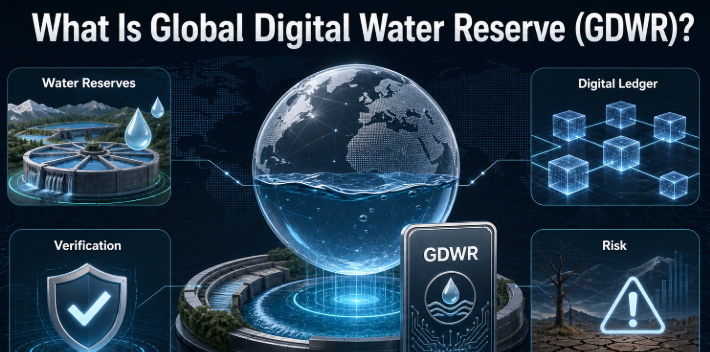
The problem is that branding can easily create assumptions. Investors may hear “water reserve” and think of infrastructure, commodities, environmental assets, or government-linked reserves. Unless those claims are verified through official documents, GDWR should not be treated as an asset-backed water product.
GDWR Price and Market Data: What Really Matters
GDWR price data should be read carefully. Small-cap and newly trending tokens can show large percentage moves while still having thin liquidity, limited trading depth, or concentrated ownership. A rising chart does not automatically mean sustainable demand.
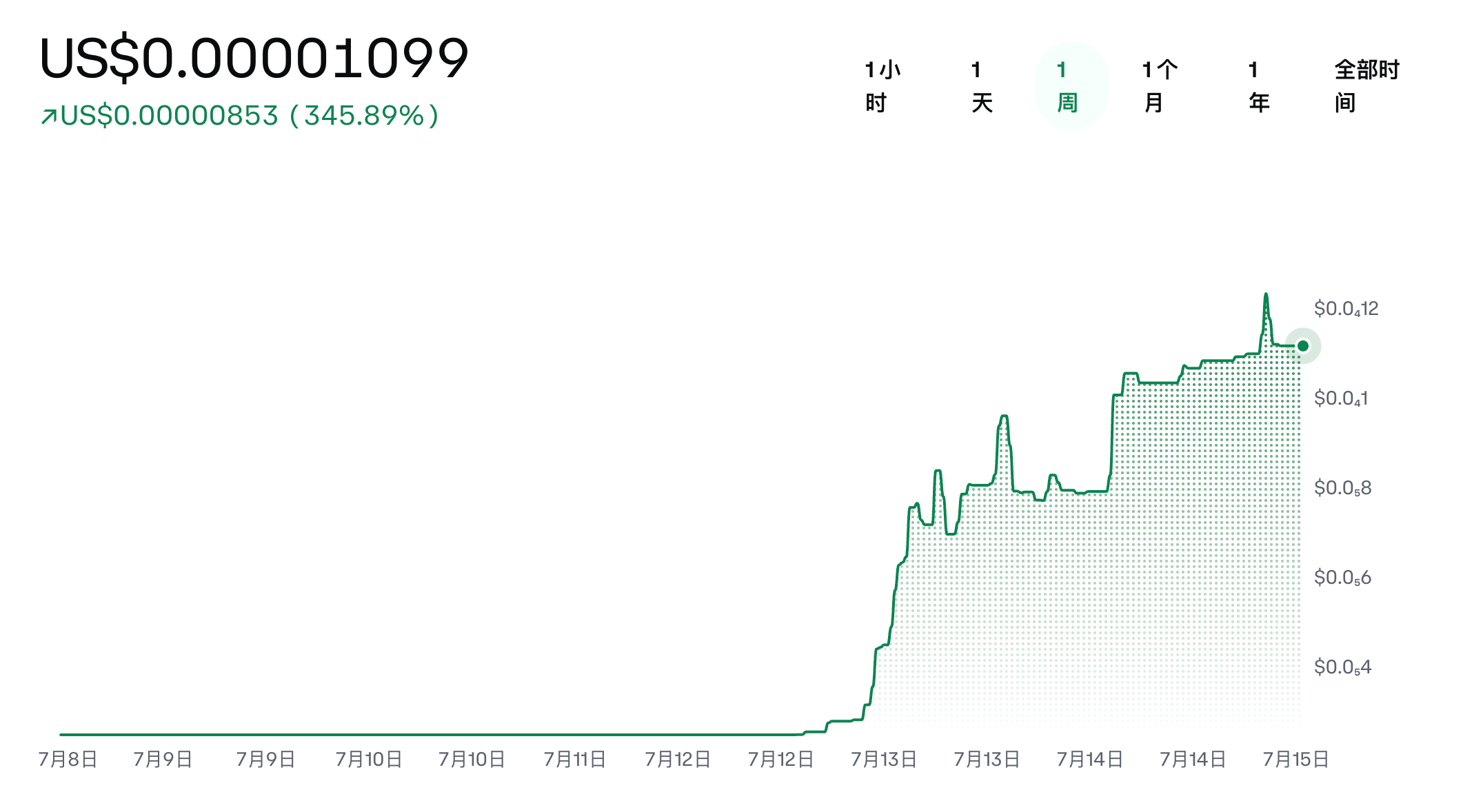
When reviewing GDWR price, focus on market structure. Liquidity depth shows whether buyers and sellers can enter or exit without large slippage. Trading volume shows whether interest is broad or temporary. Holder distribution shows whether a few wallets can influence the market. Contract transparency shows whether the token has permissions that could affect holders.
| Market Factor | Why It Matters |
|---|---|
| Liquidity | Low liquidity can make exits difficult and increase slippage. |
| Trading Volume | Volume helps show whether market interest is active or fading. |
| Holder Distribution | Concentrated wallets can create sudden sell pressure. |
| Contract Permissions | Mint, blacklist, tax, or ownership controls can affect risk. |
| Project Transparency | Clear documentation reduces confusion around claims and backing. |
Is GDWR Backed by Real Water Reserves?
This is the most important question for GDWR investors. A real water-reserve investment product would normally require legal documentation, asset ownership records, custody arrangements, audited reports, investor rights, and regulatory disclosures.
A crypto token can use the phrase “water reserve” without providing any of those protections. Unless GDWR publicly verifies real water-related assets, investors should not assume the token represents ownership of water reserves, infrastructure revenue, or environmental assets.
Why Water Reserve Crypto Narratives Attract Attention
Water is a powerful narrative because it connects scarcity, sustainability, long-term global demand, and real-world infrastructure. In crypto markets, narratives can move faster than fundamentals, especially when traders believe a token fits a broader real-world asset theme.
That said, a strong narrative is not the same as a strong project. Resource-themed tokens can rise because the story is easy to understand, then fall when traders realize the project lacks transparency or utility. For GDWR, the key question is whether the token can prove substance behind the water-reserve branding.
GDWR Scam Risks and Red Flags
GDWR is not automatically a scam, but it belongs in a category where investors should be careful. The biggest risk is confusing branding with backing. A token can sound like a reserve-backed product while offering no actual claim on reserves.
Other red flags include anonymous teams, unclear official channels, copied website content, exaggerated asset-backing claims, low liquidity, concentrated wallets, missing audits, and contract permissions that give the creator too much control. If GDWR cannot clearly explain what holders own and how value is created, risk remains high.
How to Research GDWR Before Buying
Investors should begin with the contract address. Make sure the token being reviewed is the correct GDWR asset and not a copycat. Then review liquidity, holder data, recent transactions, token taxes, contract ownership, and whether the project has published credible documentation.
If the project claims water-reserve backing, look for audited reserve reports, legal entity information, custody details, and redemption terms. If these are missing, the safer assumption is that GDWR is a speculative narrative token rather than a verified water-backed crypto asset.
Is GDWR a Good Investment?
GDWR may appeal to traders who understand high-risk narrative tokens and can manage volatility. It is less suitable for investors who expect verified asset backing, stable returns, or regulated exposure to water infrastructure.
A bullish case would require stronger liquidity, growing market participation, transparent tokenomics, credible disclosures, and sustained interest in water-reserve or real-world asset narratives. A bearish case is easier to imagine: if liquidity weakens, transparency remains limited, or early attention fades, GDWR could lose value quickly.
Final Verdict: Should Investors Trust GDWR?
Global Digital Water Reserve (GDWR) is best viewed as a high-risk water-reserve-themed crypto token, not a proven asset-backed investment. Its name may attract attention, but investors should not rely on branding alone.
GDWR could remain relevant if water-resource and real-world asset narratives continue to trend. However, without verified reserves, audited tokenomics, and clear legal disclosures, GDWR should be treated as speculative and researched carefully before any exposure.
FAQ
What is GDWR crypto?
GDWR stands for Global Digital Water Reserve and appears to be a water-reserve-themed cryptocurrency token.
Is GDWR backed by real water assets?
Investors should not assume GDWR is backed by real water reserves unless audited asset documentation and legal disclosures are publicly verified.
Is GDWR a scam?
GDWR is not automatically a scam, but it carries high risk if transparency, liquidity, contract details, and asset-backing claims cannot be verified.
What should I check before buying GDWR?
Check the contract address, liquidity, holder distribution, trading volume, official channels, token permissions, and whether any reserve claims are supported by documents.
Is GDWR a good investment?
GDWR is a speculative crypto asset. It may have short-term narrative appeal, but it is risky without verified backing and transparent market data.


