
TSLA stock and NVDA stock are two of the most watched names in traditional finance.
Both companies are connected to powerful themes. Tesla is tied to electric vehicles, robotaxis, autonomous driving, robotics and AI. Nvidia is tied to AI chips, data centers, GPUs and the infrastructure behind large-scale computing.
But short-term traders do not only trade stories. They trade confirmation.
That is why the recent difference between TSLA stock and NVDA stock matters. Nvidia has moved above the key $200 area, helped by renewed AI chip optimism and analyst support. Tesla, meanwhile, has delivered stronger-than-expected vehicle numbers, but its share price reaction has been more cautious because investors are looking beyond car deliveries toward robotaxi, Optimus and AI-related revenue.
The lesson is simple: a strong headline is not always enough. Price still needs to confirm the story.
NVDA Stock Breaks First
Nvidia has been the stronger technical setup.
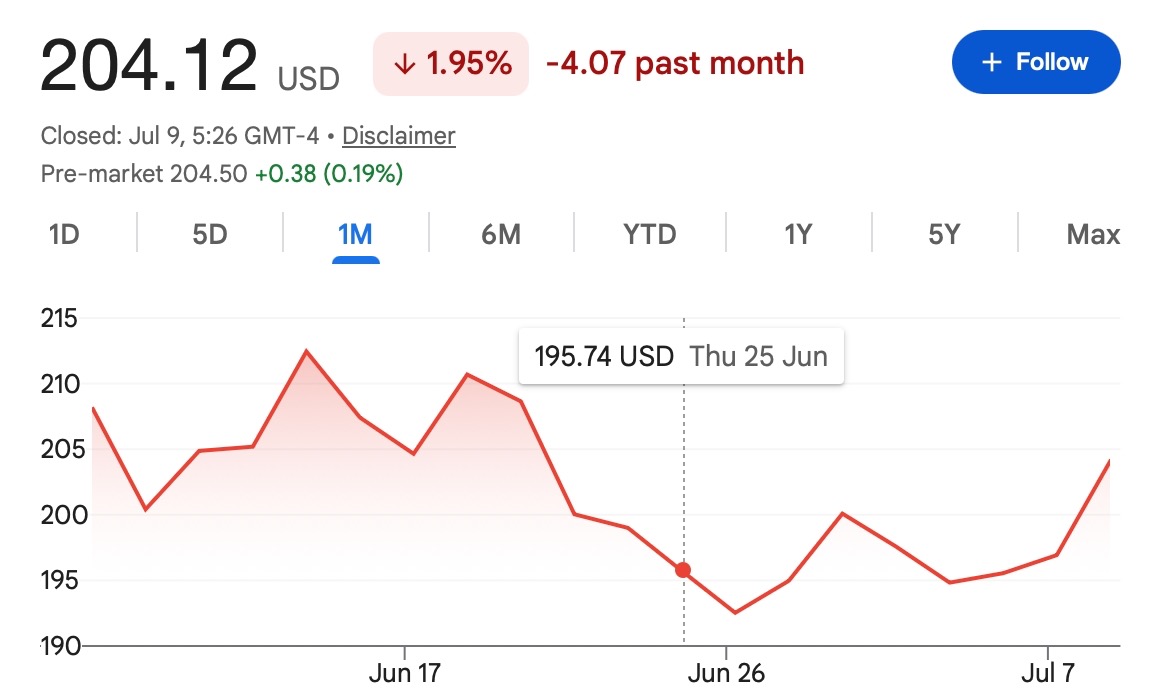
Investor’s Business Daily reported that Nvidia rose 3.6% to close at $204.12, supported by reports that China may approve limited purchases of Nvidia H200 GPUs for top AI companies. The same report noted that BofA Securities maintained a Buy rating with a $350 price target.
That matters because the $198–$200 zone had been a key area for traders watching NVDA stock. A move above $200 does not automatically guarantee a new trend, but it does show that buyers were strong enough to push the stock through a visible resistance level.
In breakout trading, that first move is important. But it is not the whole setup.
The next question is whether $200 can become support. If NVDA stock holds above that area and continues to attract volume, the breakout looks more convincing. If it quickly falls back below $200, the move may become a false breakout.
Nvidia Still Has AI Sentiment Behind It
Nvidia’s breakout is not only technical. It is also supported by market confidence in the company’s AI infrastructure position.
MarketWatch reported that BofA analyst Vivek Arya argued Nvidia was trading at an attractive valuation relative to its own history and large-cap technology peers. The report also noted Arya’s view that investors may be overstating risks from memory costs and custom AI chips such as Google’s TPUs.
This helps explain why NVDA stock can still attract buyers even after a long AI rally.
Nvidia remains one of the clearest symbols of AI infrastructure spending. Its GPUs, software ecosystem, networking products and supply-chain commitments give investors a direct way to express confidence in continued AI demand.
However, traders should still be careful. A strong AI narrative does not remove volatility. Nvidia can remain a leader and still experience sharp pullbacks if semiconductor sentiment weakens or if investors begin questioning how much growth is already priced in.
TSLA Stock Has a Different Problem
Tesla’s setup is more complicated.
On paper, the company delivered strong numbers. Investor’s Business Daily reported that Tesla delivered 480,126 vehicles in Q2 2026, beating analyst expectations of about 401,000. Deliveries increased from 358,023 in Q1 2026 and 384,122 in Q2 2025.
Normally, that kind of delivery beat might support a stronger stock reaction.
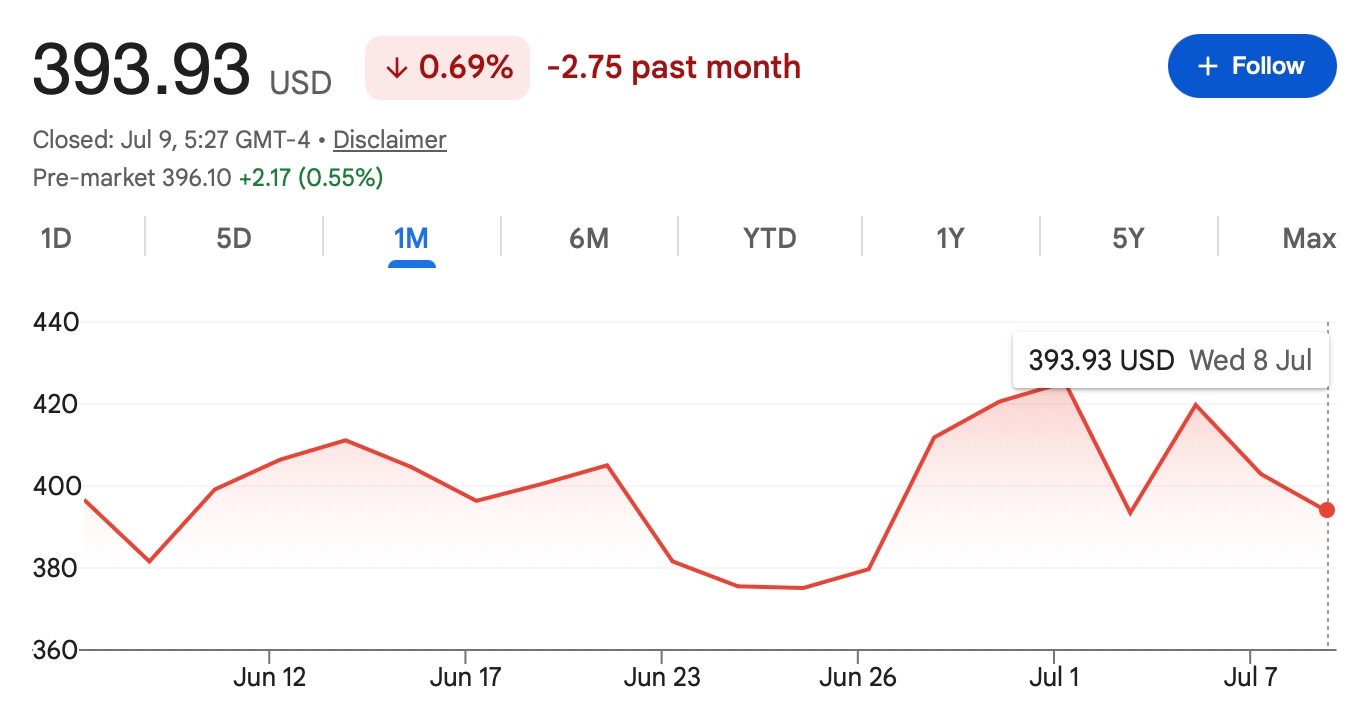
Instead, Tesla shares fell 7.5% to $393.45 after the report, according to the same source. The decline showed that investors were not only focused on near-term vehicle sales. They were also asking whether Tesla can convert its AI, robotaxi and robotics ambitions into real revenue growth.
That is why TSLA stock remains different from NVDA stock. Tesla had a strong headline, but the market did not fully confirm it through price action.
Tesla Investors Are Watching Robotaxi and Optimus
Tesla is no longer being valued only as an electric vehicle company.
Barron’s reported that Tesla shares rose after the company announced the expansion of its robotaxi service to Miami, following operations in Austin, other Texas cities and San Francisco. The report also noted investor focus on Tesla’s AI initiatives and Optimus humanoid robot, while saying commercial sales of Optimus had not yet begun and that more updates were expected during Tesla’s second-quarter earnings call.
This is the core issue for TSLA stock.
Vehicle deliveries can support the base business, but the stock’s premium valuation depends heavily on future businesses. Investors want evidence that robotaxi, autonomous driving and Optimus can become more than long-term narratives.
Until that happens, strong delivery data may not be enough to create a clean breakout.
Why Confirmation Matters More Than Headlines
The TSLA vs NVDA comparison shows why traders should avoid reacting to headlines alone.
Nvidia had both a price breakout and supportive AI chip sentiment. Tesla had strong delivery data, but the stock still struggled around the $400 area.
That difference matters. A headline can create attention. A breakout needs confirmation.
For NVDA stock, confirmation means holding above $200 and showing that buyers remain active after the initial move.
For TSLA stock, confirmation means reclaiming the $400 area with strength and then pushing toward the next resistance zone. Without that, Tesla remains more of a support-defense setup than a confirmed breakout.
This is useful for both TradFi and crypto traders. In crypto, tokens often rally on listings, partnerships, upgrades or ETF-related headlines. But if price fails to hold the breakout area, the headline alone may not be enough.
Two Different Trading Setups
NVDA stock currently looks more like a momentum setup. The stock has moved through a visible resistance area, and the market has a clear AI infrastructure narrative to support the move. The risk is that semiconductor sentiment can change quickly, especially if traders begin taking profits after a sharp rally.
TSLA stock looks more like a confirmation setup. Tesla has strong delivery numbers and major future narratives, but the market wants more evidence. Traders may watch whether Tesla can hold the $390–$400 zone and later reclaim higher resistance. Until then, the stock may remain more sensitive to earnings, robotaxi updates and AI-related guidance.
This does not mean Nvidia is risk-free or Tesla is weak. It means they are in different parts of the trading cycle.
Nvidia is trying to prove that its breakout can hold. Tesla is trying to prove that its support can turn into a recovery.
What Traders Should Watch Next
For Nvidia, traders should watch whether NVDA stock can stay above the $200 area, whether semiconductor sentiment remains strong, and whether upcoming earnings support the market’s AI infrastructure expectations.
They should also watch updates around China-related chip sales, supply-chain commitments, memory costs and competition from custom AI accelerators.
For Tesla, traders should watch the Q2 earnings call, robotaxi updates, Optimus progress, margins, vehicle demand and whether the stock can regain technical strength above key resistance levels.
The delivery beat was important, but the market reaction showed that investors want more than volume growth. They want evidence that Tesla’s next growth engines can become financially meaningful.
Tapbit View
TSLA stock and NVDA stock show two different sides of market behavior.
Nvidia shows how a strong narrative can turn into a cleaner breakout when price action confirms the story. Tesla shows how even strong operating data may not be enough when investors are waiting for deeper proof around future growth.
For Tapbit users, the broader lesson is simple. Do not trade headlines alone.
A strong news event can create attention, but price confirmation shows whether the market agrees. Breakouts need support. Rebounds need follow-through. Narratives need evidence.
This applies across traditional finance and crypto markets. Whether traders are watching AI stocks, EV names, Layer 1 tokens, meme coins or ETF-related crypto assets, the same rule matters: price has to confirm the story.
Users can visit Tapbit to explore supported crypto services. Existing users can access their accounts through Tapbit Login, while new users can start through Tapbit Register.
Frequently Asked Questions (FAQ)
Why is NVDA stock stronger than TSLA stock right now?
NVDA stock has already moved above the key $200 area, supported by AI chip sentiment and analyst confidence. TSLA stock has strong delivery data, but the market is still waiting for confirmation around robotaxi, Optimus and AI-related revenue.
Did Tesla report strong Q2 deliveries?
Yes. Tesla delivered 480,126 vehicles in Q2 2026, beating analyst expectations of around 401,000. However, the stock still fell after the report, showing that investors wanted more than delivery strength.
Why did Nvidia move higher?
Nvidia rose after reports that China may approve limited purchases of H200 GPUs for top AI companies, while BofA maintained a Buy rating and $350 target.


