
Is SpaceX Going IPO?
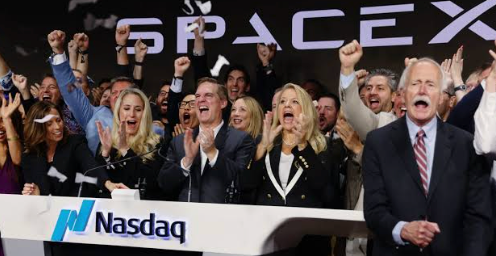
SpaceX has been one of the most discussed private-company IPO candidates for years. As of mid-June 2026, recent market reports indicate that SpaceX has completed its long-awaited public listing and started trading on Nasdaq under the ticker symbol SPCX.
That marks a major shift. For years, investors could only access SpaceX indirectly through private-market shares, venture funds, employee equity, or investment vehicles with exposure to the company. A public listing opens the door for broader market participation, although early access and share availability may still be limited.
The IPO has drawn enormous attention because SpaceX is not a typical aerospace company. Its business spans reusable rockets, commercial launches, Starlink satellite internet, government contracts, space infrastructure, and increasingly AI-related ambitions.
Why the SpaceX IPO Matters
The SpaceX IPO matters because it gives public investors access to one of the most influential technology and aerospace companies in the world.
SpaceX has transformed the launch industry by reducing costs through reusable rockets. Starlink has created a global satellite internet business with recurring revenue potential. Government and defense demand add another layer of strategic importance.
| Business Area | Why Investors Care |
|---|---|
| Falcon and reusable rockets | Lower launch costs and market leadership |
| Starlink | Recurring satellite internet revenue |
| Government contracts | Potential long-term demand stability |
| Starship | High-risk, high-upside space infrastructure |
| AI and data infrastructure | Adds a new growth narrative |
| Defense and communications | Strategic value for governments and enterprises |
The IPO also matters for broader markets because it may influence investor appetite for other mega-listings, including AI and frontier technology companies.
SpaceX Stock: Why Investors Are Excited
Investor interest in SpaceX is built around several major growth themes.
The first is launch dominance. SpaceX has become a central player in the global launch market, giving it pricing power, operational experience, and a major lead over many competitors.
The second is Starlink. Satellite internet creates a recurring revenue model that is easier for public-market investors to understand than one-off launch contracts.
The third is long-term optionality. SpaceX has ambitions across space transportation, lunar infrastructure, Mars exploration, satellite communications, and AI-related infrastructure. These themes create a powerful growth story.
However, investors should separate a strong story from a fair price.
Valuation Debate: Is SpaceX Too Expensive?
The biggest question around SpaceX stock is valuation.
Reports around the IPO have described a massive valuation, with first-day trading pushing the company into mega-cap territory. That creates a difficult investment question: can future growth justify the price?
High-growth companies can trade at premium valuations, but they must keep delivering. If revenue growth slows, margins disappoint, or capital spending remains too high, the stock may face pressure.
| Valuation Question | Why It Matters |
|---|---|
| Is Starlink profitable? | Determines recurring cash flow quality |
| Are launch margins sustainable? | Shows core business strength |
| How much capital is required? | Affects future dilution and debt risk |
| Can AI infrastructure become real revenue? | Tests the next growth narrative |
| Is the public float too small? | Can increase volatility |
A famous company can still become an expensive stock if expectations are too aggressive.
Lock-Up Risk and Public Float
One of the most important post-IPO risks is the lock-up period.
After many IPOs, insiders, employees, and early investors are restricted from selling shares for a set period. During the early trading window, only a small portion of total shares may be available to the public.
This can create two effects. First, limited float can push prices higher if demand is strong. Second, future unlocks can create selling pressure when more shares become tradable.
Investors should watch:
- Insider lock-up schedules
- Employee share unlocks
- Institutional selling pressure
- Index inclusion buying
- Changes in public float
- Trading volume after the first few weeks
Early IPO performance is not always a reliable guide to long-term stock behavior.
Key Risks of Buying SpaceX Stock
SpaceX may be one of the most exciting public companies in the market, but it is not risk-free.
| Risk Factor | Potential Impact |
|---|---|
| High valuation | Lower future return potential |
| IPO volatility | Sharp price swings after listing |
| Lock-up expiration | Possible selling pressure |
| Capital intensity | Rockets, satellites, and AI infrastructure require major spending |
| Governance concentration | Public shareholders may have limited influence |
| Execution risk | Starship, Starlink, and new projects may face delays |
| Regulatory risk | Space, defense, and communications businesses face oversight |
Investors should also consider macro conditions. Higher interest rates can pressure high-growth stocks, especially companies valued heavily on future earnings.
How Can Investors Buy SpaceX Stock?
If SpaceX is publicly trading under its reported ticker, investors may be able to buy shares through a brokerage account that supports U.S.-listed equities.
A basic process includes:
- Confirm the official ticker and exchange.
- Review the latest IPO and company filings.
- Check current price, volume, and market cap.
- Understand lock-up and float conditions.
- Decide position size based on risk tolerance.
- Avoid chasing early price spikes without research.
For users following broader market activity and digital asset trends, the official Tapbit platform offers access to crypto market tools and trading features.
Should Investors Buy SpaceX After the IPO?
That depends on risk tolerance and valuation discipline.
The bullish case is clear: SpaceX has leadership in launch, a large Starlink opportunity, strategic government demand, and long-term optionality across space and AI infrastructure.
The cautious case is also clear: the valuation is high, profitability may be uncertain, capital spending is heavy, and the stock could face volatility as insider shares unlock.
For beginners, the safer approach is to avoid emotional buying during the IPO hype cycle. Waiting for clearer financial reporting, post-IPO trading history, and lock-up details may reduce unnecessary risk.
Conclusion
So, is SpaceX going IPO? Based on current market reports, the answer appears to have shifted from expected to yes, SpaceX has entered the public market.
The listing gives investors access to one of the world's most ambitious technology companies, but it also introduces major questions around valuation, volatility, governance, lock-up pressure, and execution.
SpaceX may become a defining public-market story of 2026. But investors should treat the stock like any other high-growth asset: exciting, potentially powerful, and still risky.
Users interested in broader platform campaigns and market opportunities can also visit the Tapbit rewards page.
FAQ
Is SpaceX going IPO?
Recent market reports indicate that SpaceX has completed its IPO and started trading publicly on Nasdaq under the ticker SPCX.
What is the SpaceX ticker?
Reports identify the SpaceX ticker as SPCX, but investors should confirm ticker and exchange details through official brokerage or exchange pages before trading.
Why is the SpaceX IPO important?
It gives public investors access to SpaceX's launch business, Starlink, satellite infrastructure, government contracts, and long-term space technology ambitions.
Is SpaceX stock risky?
Yes. Key risks include high valuation, IPO volatility, lock-up expiration pressure, governance concentration, capital intensity, and execution risk.
Should beginners buy SpaceX stock?
Beginners should be cautious, review official filings, understand valuation risk, and avoid buying only because of IPO hype.
What should investors watch after the IPO?
Investors should monitor earnings, Starlink growth, launch margins, public float, lock-up schedules, index inclusion, and macro conditions.


