
Why Blockchain Explorers Matter for Safer Solana Transfers
As crypto adoption grows, users are no longer asking only one question: “Which token should I trade?” They are also asking another important question: “Which blockchain network should I use?”
This matters because a transfer is not only about the asset. It is also about the network behind it. A user sending funds through Solana, Ethereum, TRON, BNB Smart Chain, Polygon, Arbitrum, Optimism or TON may experience different speeds, fees, confirmation methods and wallet requirements.
For Solana users, Solscan has become one of the most important tools for understanding what happens on-chain. It helps users check transactions, wallet addresses, tokens and blockchain activity in a transparent way. Solscan’s official documentation describes it as a leading explorer in the Solana ecosystem, offering tools that help users understand blockchain activity, manage accounts, track transactions and explore opportunities across the ecosystem.
For platforms such as Tapbit, this kind of infrastructure matters because users need more than trading access. They also need confidence when depositing, withdrawing and verifying crypto assets.
What Is Solscan?
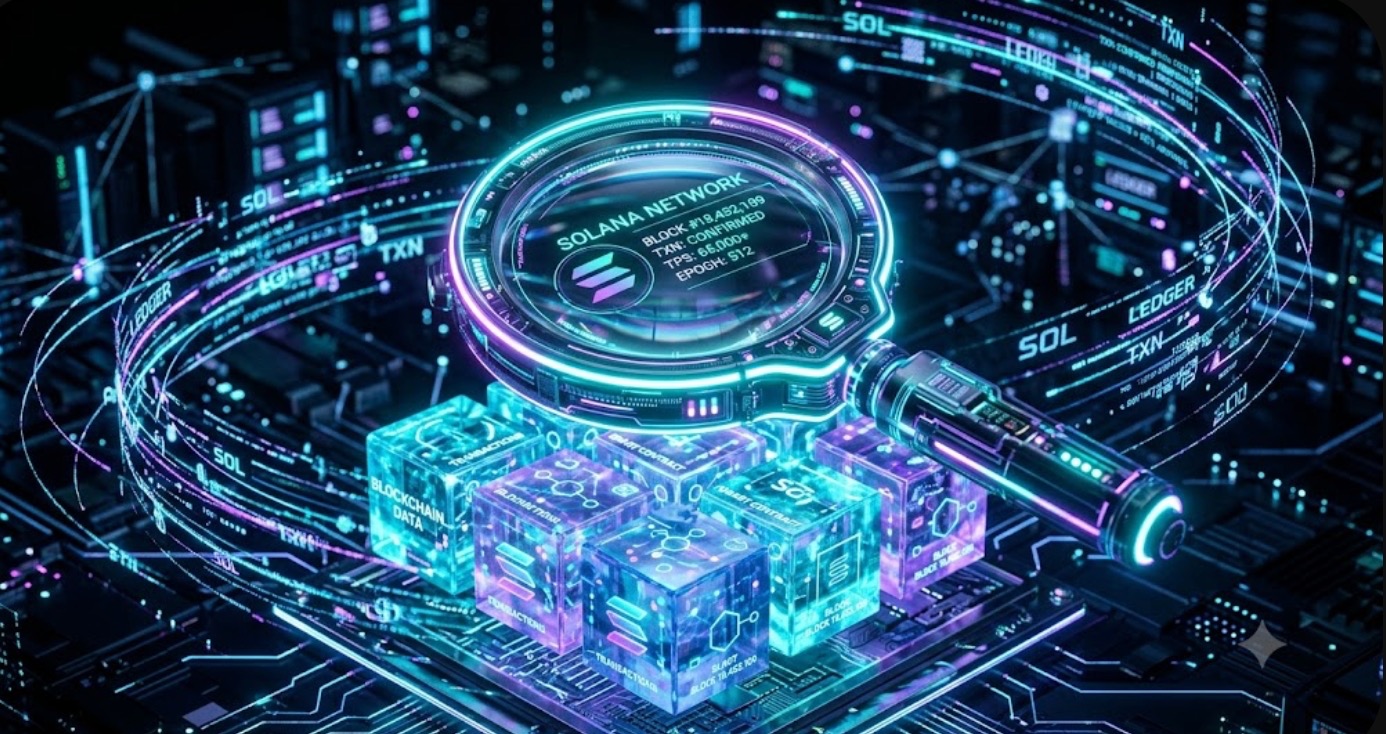
Solscan is a blockchain explorer built for the Solana network. A blockchain explorer allows users to search and review public on-chain data, including transactions, wallet addresses, tokens, blocks and network activity.
In simple terms, Solscan works like a search engine for Solana.
If a user sends SOL or an SPL token, they can use Solscan to check whether the transaction succeeded, which wallet addresses were involved, when the transaction was processed and what fee was paid. Solscan’s website describes its service as a way to monitor SOL and Solana tokens, explore transactions, blocks and token details.
This is especially useful because blockchain transfers can feel confusing to new users. A wallet may show “pending.” An exchange deposit may take time to reflect. A transaction may fail because of network conditions, wallet settings or insufficient balance. Instead of guessing, users can check the transaction directly on-chain.
Why Solana Users Need On-Chain Verification
Solana is known for fast transaction processing and low-cost activity, but speed does not remove the need for verification.
According to Solana’s official documentation, a transaction includes instructions, account signatures and a recent blockhash. The network processes all instructions in a transaction together, and if any instruction fails, the entire transaction fails and state changes are reverted.
This is why a blockchain explorer is useful. It helps users answer practical questions:
-
Was the transaction successful?
-
Was the correct wallet address used?
-
Was the correct token sent?
-
Was the fee paid?
-
Did the transaction fail, and why?
-
Was the transfer made through the right network?
For users depositing or withdrawing through an exchange, these questions are not technical details. They affect whether funds arrive smoothly.
Solscan and Safer Transfers
One of the most common user mistakes in crypto is assuming that the token symbol is enough.
For example, a stablecoin may exist on multiple networks. The same asset name may appear on Solana, Ethereum, TRON, BNB Smart Chain or Polygon, but each network has different address formats, token standards and confirmation processes.
Solscan helps Solana users verify the Solana side of this process. Users can search a transaction signature, wallet address or token mint to check what actually happened on-chain.
This is important for three reasons.
First, it reduces uncertainty. If a transfer is visible on Solscan, users have a public record of the transaction.
Second, it supports troubleshooting. If a deposit has not arrived, the transaction record can help users understand whether the issue is on-chain confirmation, network selection or platform processing.
Third, it improves user protection. Users can inspect token information, wallet activity and transfer history before interacting with unknown assets.
Why Blockchain Explorers Are Part of Crypto Infrastructure
Blockchain explorers are not only tools for developers. They are part of the user experience.
Etherscan’s acquisition of Solscan in 2024 also showed how important blockchain data services have become across multiple networks. Etherscan said Solscan’s addition supported its goal of improving the accessibility of blockchain data across networks.
This reflects a broader industry shift. As crypto becomes more multi-chain, users need reliable ways to verify what happens on each network.
A centralized platform may provide account history, deposit records and withdrawal status. But blockchain explorers provide something different: public on-chain transparency.
Together, these tools create a better user experience.
Tapbit View
Solscan shows why blockchain explorers matter.
In a fast network like Solana, users need a clear way to verify transactions, check wallet activity and understand what happened on-chain. This is not only useful for advanced traders. It is useful for anyone sending, receiving or managing crypto assets.
For Tapbit, supporting Solana and other major blockchain networks is part of building a more flexible crypto experience. But support alone is not enough. Users also need education. They should understand how to choose the right network, how to verify a transfer and how to use public blockchain data when something is unclear.
The future of crypto accessibility will be multi-chain. It will also be more transparent.
Blockchain explorers like Solscan help make that future easier to use.
Users can visit Tapbit to explore supported crypto services. Existing users can access their accounts through Tapbit Login, while new users can start through Tapbit Register.
Frequently Asked Questions (FAQ)
What is Solscan?
Solscan is a blockchain explorer for the Solana network. It allows users to search transactions, wallet addresses, tokens, blocks and other on-chain data.
Why is Solscan useful for transfers?
Solscan helps users verify whether a Solana transaction succeeded, which addresses were involved and whether the correct token was transferred.
What should I check before sending assets on Solana?
Users should check the receiving address, supported network, token type, required balance for fees and transaction signature after sending.


