

For nearly seven years, US prosecutors pursued Matthew Goettsche over his alleged role in BitClub Network. The government described the platform as a cryptocurrency mining scheme that collected at least $722 million from investors around the world. A federal trial was eventually scheduled for October 2026.
That trial will not happen.
On July 28, 2026, a federal judge approved the Justice Department’s request to dismiss the charges against Goettsche with prejudice. The decision permanently ends the federal prosecution without a trial, guilty plea or jury verdict.
The result has attracted attention well beyond the original BitClub case. It comes as the Justice Department changes how it handles digital asset investigations, and after lawyers with ties to the Trump administration reportedly asked senior officials to reconsider the prosecution.
It also leaves investors with an uncomfortable question: if the main case is over, what happens to the money?
Who Is Matthew Goettsche?

Matthew Brent Goettsche is a Colorado resident whom federal prosecutors identified as a creator and operator of BitClub Network.
BitClub presented itself as a way for investors to participate in Bitcoin mining. Customers could purchase shares in purported mining pools and receive a portion of the income generated by those operations. Members could also earn commissions by recruiting new participants.
The platform operated from 2014 until federal authorities announced charges in December 2019.
Goettsche was accused of conspiring to commit wire fraud and conspiring to offer and sell unregistered securities. The wire fraud charge could have carried a prison sentence of up to 20 years if he had been convicted.
He was never convicted. The case ended before the allegations were tested at trial.
What Did Prosecutors Allege About BitClub Network?
The Justice Department said BitClub did not accurately report the performance of its mining operations.
According to the 2019 indictment, investors were shown figures described as Bitcoin mining earnings. Prosecutors alleged that some of those figures were manually increased to make the business appear more profitable than it was.
The indictment cited internal messages in which Goettsche allegedly instructed another participant to increase displayed daily mining earnings by 60%. It also included messages in which the operators discussed their target investors and questioned whether parts of the model resembled a Ponzi scheme.
Prosecutors further alleged that BitClub sold mining pool shares without registering them as securities and used a referral system to drive growth. Promoters travelled internationally, published marketing videos and encouraged existing members to bring new investors into the network.
The government said BitClub obtained cryptocurrency worth at least $722 million during the period covered by the case.
That figure needs to be described carefully. It represents the amount prosecutors said the operation received, not a final court determination of net investor losses. Some participants may have received withdrawals or referral payments before the platform stopped operating.
What Does “Dismissed With Prejudice” Mean?
A dismissal with prejudice prevents federal prosecutors from bringing the same charges against Goettsche again.
It gives him a final result in this particular prosecution, but it is not an acquittal. The court did not decide whether the accusations were true, and a jury did not consider the government’s evidence.
This difference matters because some coverage has described the decision as if Goettsche had been cleared. That goes further than the available record supports.
The accurate conclusion is narrower: the Justice Department chose to end the prosecution, and the court approved that decision.
Why Did the Justice Department End the Case?
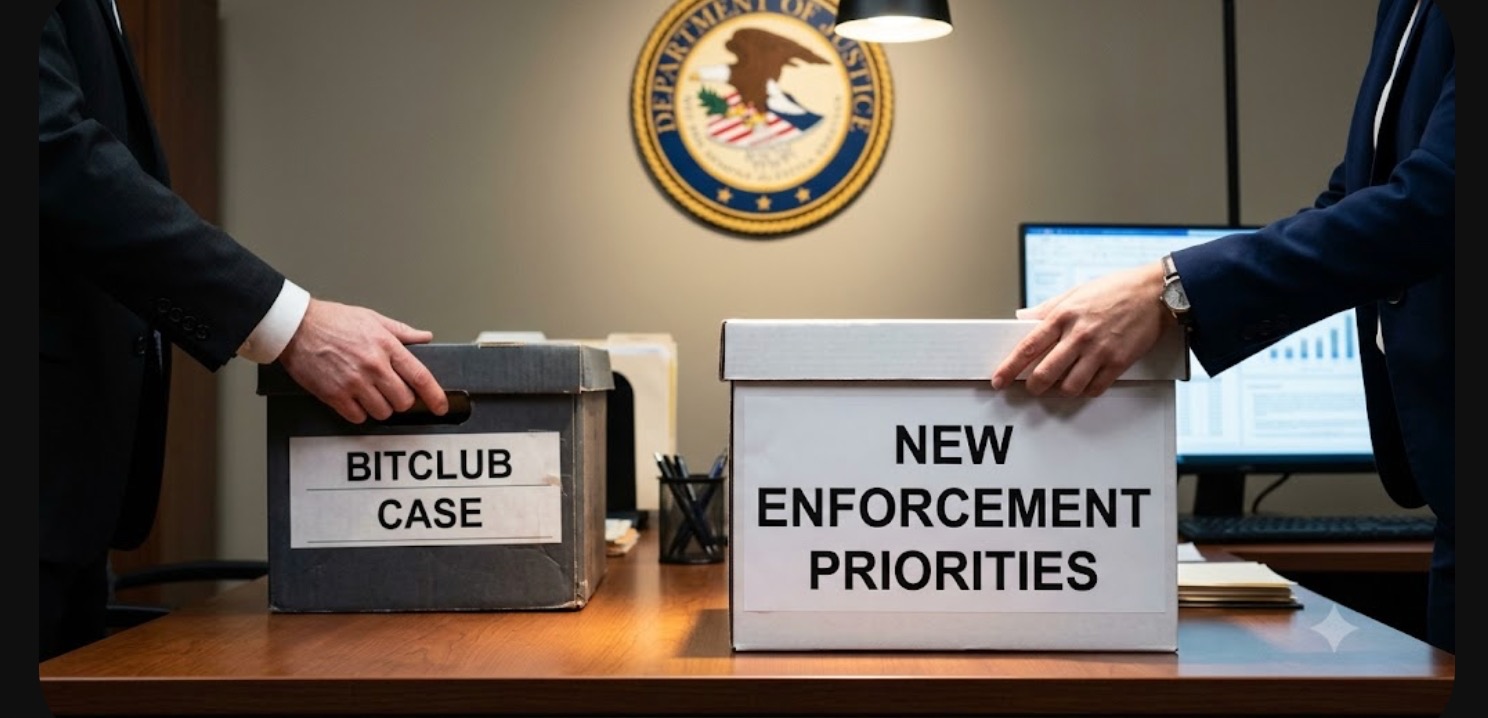
The government offered a brief explanation. In its dismissal request, the Justice Department said it had reviewed the case and decided, as a matter of prosecutorial discretion, not to devote further resources to the criminal charges. Judge Claire C. Cecchi approved the request on July 28.
However,that statement does not explain what changed.
The Justice Department did not publicly say that its evidence had become unreliable. It did not identify a legal ruling that made the case impossible to prove. Nor did it say that Goettsche had been wrongly charged.
The timing made the decision more striking. Earlier in 2026, the case was still moving toward trial after years of discovery disputes, plea negotiations and delays. By July, senior Justice Department officials in Washington had reportedly directed federal prosecutors in New Jersey to reverse course.
Without a more detailed explanation, claims about the department’s reasoning remain partly speculative.
Does the Decision Reflect a New Crypto Enforcement Policy?
The dismissal took place against a broader change in US digital asset enforcement.
In April 2025, the Justice Department issued a memorandum titled Ending Regulation by Prosecution. It instructed prosecutors to avoid using criminal cases primarily to settle regulatory questions, such as whether a particular digital asset should be treated as a security or commodity. The department also disbanded its National Cryptocurrency Enforcement Team.
That policy could be relevant to BitClub’s unregistered securities charge. It does not fully explain the wire fraud charge.
The same memorandum says prosecutors should continue pursuing cases involving fraud, theft and direct harm to digital asset investors. BitClub was not presented by the government as a technical registration dispute. Prosecutors accused its operators of falsifying mining returns and misleading customers about how their money was being used.
It would therefore be misleading to say that the case was dismissed simply because the current administration is taking a more crypto-friendly position.
The policy shift provides context. It is not a confirmed explanation.
Why Are Political Connections Part of the Story?
Bloomberg Law reported that Goettsche assembled a legal team that included lawyers with connections to the Trump administration. Those lawyers reportedly urged senior Justice Department officials to reconsider the case.
The report prompted questions from members of the Senate Judiciary Committee about whether political access influenced the result.
Acting Attorney General Todd Blanche rejected that suggestion. He said the decision resulted from the department’s routine review of pending cases and was not caused by pressure from Goettsche’s attorneys.
Both sides of that dispute should be included in any fair account. It is established that lawyers sought relief for Goettsche and that senior officials ordered the case to be reviewed. It has not been established that political influence determined the outcome.
What Happened to the Other BitClub Defendants?
Goettsche’s case ended differently from those of several other BitClub participants.
Silviu Catalin Balaci, a programmer who helped create and operate the platform, pleaded guilty in 2020 to conspiracy involving wire fraud and the sale of unregistered securities. Joseph Frank Abel and Jobadiah Sinclair Weeks also entered guilty pleas in cases connected to BitClub.
Their admissions included conduct that overlapped with the allegations against Goettsche. Balaci, for example, admitted changing the mining earnings displayed to investors.
The Justice Department maintains a BitClub case information page, although parts of it have not been updated to reflect the latest developments. The different outcomes now form one of the central questions surrounding the case: why did some participants plead guilty while the prosecution of the person identified as a principal operator end without trial?
Will BitClub Investors Recover Their Money?
The dismissal does not automatically end asset recovery proceedings.
The Justice Department has said it is working to recover a substantial amount owed to investors. However, it has not publicly disclosed how much has been secured, what portion is connected to Goettsche or when distributions might begin.
It is also unclear how any future compensation would be calculated. Bitcoin prices changed dramatically during and after the period covered by the case. A repayment based on the dollar value of assets at the time of investment could produce a very different result from returning the original amount of cryptocurrency.
Until an official compensation process is announced, investors should be cautious of anyone claiming to recover BitClub funds in exchange for an upfront payment. Victims should rely on information published through official court or Justice Department channels.
Why the BitClub Decision Matters
The dismissal does not change Bitcoin’s technology or market fundamentals. Its significance is legal.
US authorities are drawing new boundaries around digital asset enforcement, particularly when a case mixes traditional fraud allegations with questions about securities registration. The BitClub decision shows that even a long-running prosecution with extensive records and several related guilty pleas can be reconsidered before trial.
It also shows the limits of reading too much into a dismissal. Ending a prosecution does not prove the defendant’s innocence, but allegations alone do not establish guilt either. Without a trial, the evidence remains largely untested and the central legal questions remain unresolved.
For the crypto industry, that uncertainty matters. Clear enforcement standards should distinguish between unresolved regulatory classifications and deliberate deception. When those issues appear in the same case, the public needs a fuller explanation of why prosecutors proceed or walk away.
Conclusion
The federal case against Matthew Goettsche is over. It ended through a dismissal with prejudice, not through a conviction or acquittal.
BitClub Network remains the subject of serious allegations supported by the original indictment and guilty pleas from other participants. At the same time, the government chose not to present its case against Goettsche to a jury.
What happens next will depend less on criminal prosecution and more on asset recovery, investor compensation and whether the Justice Department releases additional information about its decision.
For now, three facts should not be confused: Goettsche was accused of participating in a $722 million crypto mining scheme, the charges were permanently dismissed, and no court decided whether he was guilty.
Follow Tapbit for more crypto market, regulatory and industry analysis.
Frequently Asked Questions
Who is Matthew Goettsche?
Matthew Brent Goettsche is a Colorado resident whom US prosecutors identified as a creator and operator of BitClub Network. He was charged in 2019 with conspiracy to commit wire fraud and conspiracy to sell unregistered securities.
What was BitClub Network?
BitClub Network sold interests in purported cryptocurrency mining pools between 2014 and 2019. Members were told they could receive mining income and earn commissions by recruiting additional investors.
Why did prosecutors investigate BitClub Network?
Prosecutors alleged that BitClub displayed manipulated Bitcoin mining returns, misrepresented parts of its business and sold unregistered mining pool investments. These claims were allegations contained in the indictment and were not decided at Goettsche’s trial because no trial took place.


