
Toncoin has officially been renamed Gram, with GRAM replacing TON as the token ticker. The blockchain itself is still called The Open Network, or TON.
For existing holders, the change is mostly visual. Wallet balances, staking positions, smart contracts and transaction histories remain on the same network. There is no new blockchain, no replacement token and no need for users to move their funds.
At first glance, this may look like a simple branding update. In reality, it gives TON a clearer structure: TON is the network, while Gram is the currency used inside it.
TON Remains the Blockchain
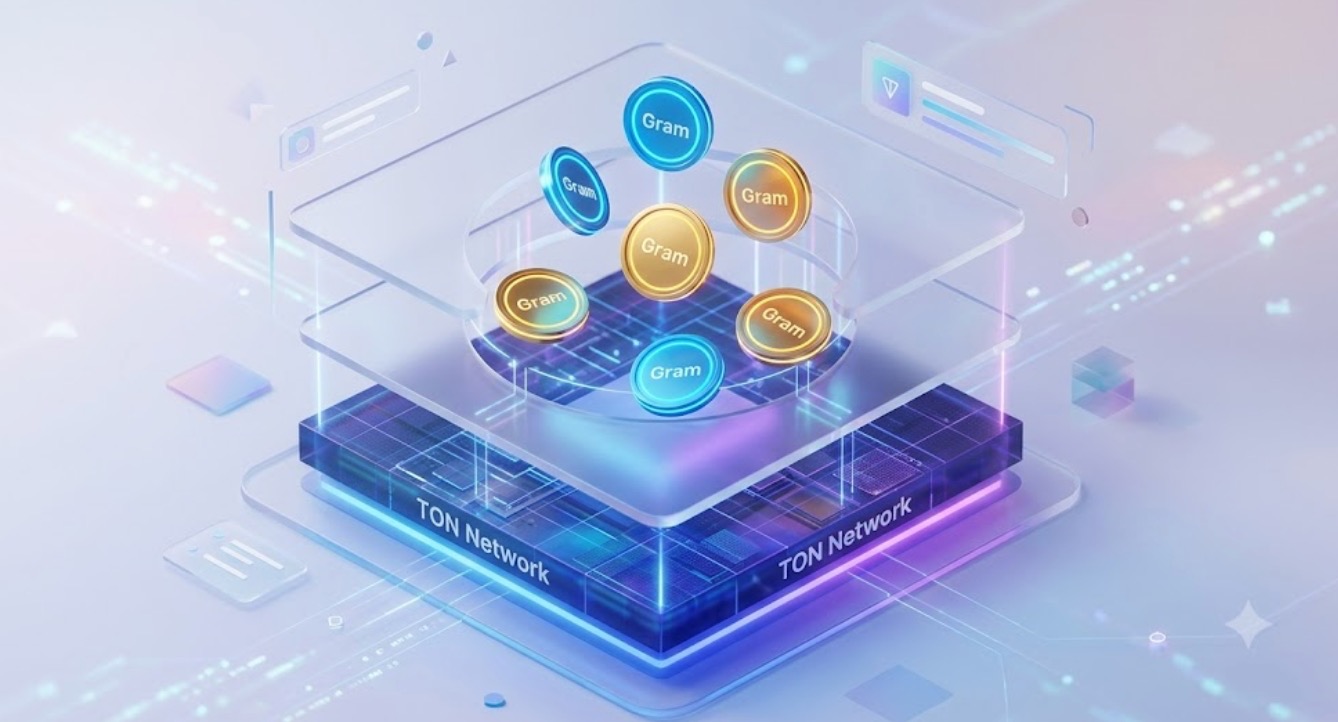
One reason for the rebrand is that TON and Toncoin were often treated as the same thing. That was familiar to long-time users, but confusing for people entering the ecosystem for the first time.
The new naming system separates the technology from the asset. Developers build applications on TON, while users can send, receive, stake or spend Gram.
It is a similar distinction to Ethereum and ETH. The network has one name, while its native currency has another.
TON’s official documentation now refers to Gram as the native currency formerly known as Toncoin. The GRAM ticker has also begun appearing across exchanges, wallets and market-data platforms.
Holders Do Not Need to Swap Their Tokens
The rebrand does not require a blockchain migration. A user who held Toncoin before the update can still hold the same native asset after the name change. Wallet addresses remain valid, and existing tokens do not need to be sent to another address or exchanged through a smart contract.
Centralized exchanges may temporarily suspend deposits, withdrawals or trading while they update their systems. They may also display an internal conversion ratio of one TON to one GRAM, but this is only an administrative process inside the exchange.
It does not mean a separate token has been issued.
Users should be cautious of websites or messages claiming that they must claim, migrate or convert their holdings. Any request to connect a wallet, enter a recovery phrase or send tokens to an unknown address should be treated as suspicious.
Why the Gram Name Matters
Gram was the name originally chosen for Telegram’s planned digital currency.
In 2018, Telegram raised funds to build the Telegram Open Network and intended to distribute a token called Gram. That project was later challenged by the U.S. Securities and Exchange Commission, which argued that the planned distribution involved an unregistered securities offering.
Telegram eventually settled the case, returned funds to investors and stepped away from the project. Independent developers continued working with the open-source technology, and the network later became The Open Network.
Its native currency became widely known as Toncoin.
Bringing back the Gram name reconnects the current ecosystem with that earlier history. However, today’s GRAM is not a revival of the original token sale. It is simply the new name of the asset previously known as Toncoin.
The Rebrand Fits TON’s Consumer Strategy
The timing of the rebrand is important. TON is increasingly focused on payments, Mini Apps, digital services and products that can be accessed through Telegram. In that context, Gram works better as the name of a currency than Toncoin did.
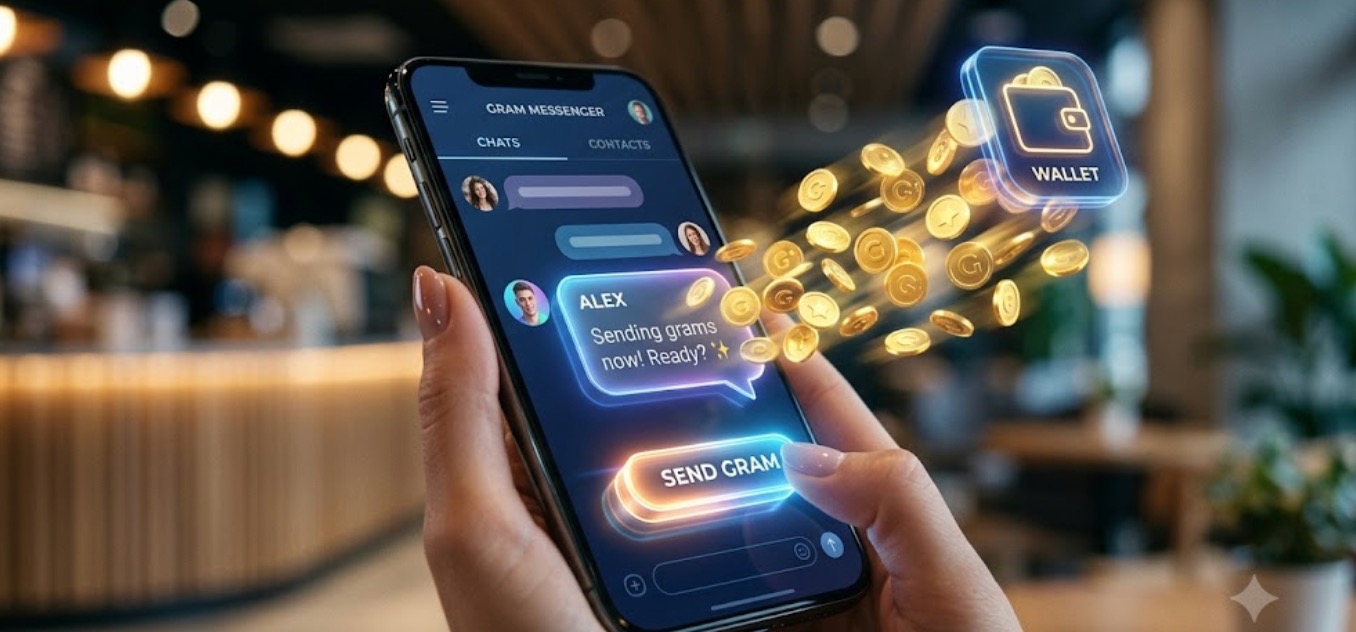
“Build on TON” sounds like a message for developers. “Send Gram” sounds like something an ordinary user might do.
That difference could become useful as more blockchain features are integrated into apps that already feel familiar. A person using a Telegram Mini App may not care which Layer 1 network is running in the background. They only need the payment experience to be fast, simple and reliable.
The rebrand helps place TON in the background as infrastructure, while Gram becomes the visible unit used for payments and transfers.
Telegram Is Still TON’s Biggest Advantage
TON operates in a highly competitive market. Ethereum has the largest smart-contract ecosystem. Solana has built strong momentum around trading, consumer apps and on-chain activity. BNB Chain benefits from its connection to a major exchange ecosystem.
TON’s main advantage is distribution.
Instead of asking users to download an unfamiliar blockchain application, TON-based products can be placed directly inside Telegram. This gives developers access to an audience that already uses the platform for communication, content and online communities.
That does not mean Telegram users will automatically become Gram users. Most people will not adopt a cryptocurrency just because it is available inside an app.
The opportunity depends on whether developers can create useful services that make blockchain activity feel ordinary. Payments, subscriptions, games and digital purchases need to work without forcing users to understand seed phrases, gas fees or complex wallet interfaces.
If TON can make that experience simple enough, Telegram could become a powerful gateway into on-chain services.
Payments May Be the Most Important Use Case
Gram is not being positioned only as an asset for trading. TON’s developer documentation includes tools for processing payments, identifying transactions and connecting user activity to invoices. This suggests that the ecosystem wants Gram to function as a practical payment currency inside applications.
Possible uses include transfers between Telegram users, Mini App purchases, creator subscriptions, game items, digital services and merchant payments.
None of these use cases is guaranteed to achieve mass adoption. Payment systems are difficult to scale, especially across different countries and regulatory environments.
Still, TON has something many other blockchain networks lack: a direct connection to a large communication platform. That gives Gram a realistic distribution channel, even if adoption remains uncertain.
The Rebrand Does Not Solve Every Problem
A new name does not change the fundamentals of the network. TON still needs more applications that people use regularly. It needs reliable wallets, active developers, healthy liquidity and a validator structure that users can trust.
The network also faces questions about centralization. Telegram’s involvement gives TON visibility and distribution, but it can also create concern about how much influence one platform may have over wallets, user access and application discovery.
Regulation remains another important issue. The Gram name is closely tied to Telegram’s earlier legal dispute with the SEC. Although the current ecosystem has a different structure, closer integration with payments and mainstream users could bring more regulatory attention.
There is also no guarantee that the rebrand will improve the asset’s market value. A new ticker may attract interest, but long-term performance will depend on real usage rather than branding alone.
Final Thoughts
The Open Network remains TON, while its native currency is now Gram. Existing balances, applications and contracts remain on the same blockchain, and holders do not need to complete an external swap.
The return of the Gram name strengthens the historical link between TON and Telegram. It also gives the ecosystem a cleaner identity for payments and consumer applications.
Telegram offers TON an audience that most blockchain projects would struggle to build from scratch. But distribution alone is not enough. Gram will need useful applications, simple payment experiences and sustained user activity to become more than a renamed asset.
Users can log in to Tapbit to explore available markets, while new users can register for a Tapbit account.
Frequently Asked Questions
Did the TON blockchain change its name?
No. The blockchain is still called The Open Network, or TON. Only the native currency was renamed from Toncoin to Gram.
Is Gram a new token?
No. Gram is the same native asset previously known as Toncoin. The name and ticker changed, but the underlying blockchain asset did not.
Do users need to swap TON for GRAM?
Users holding the native asset in a self-custody wallet do not need to perform an external swap. Exchanges may update balances and trading pairs internally.


