
SLV stock is trading near the $53 area as silver remains one of the most volatile major commodities in 2026. The iShares Silver Trust reported a NAV near $53.24 on July 21, and its structure held hundreds of millions of ounces of silver. Those numbers make SLV one of the largest publicly traded vehicles for bullion exposure.
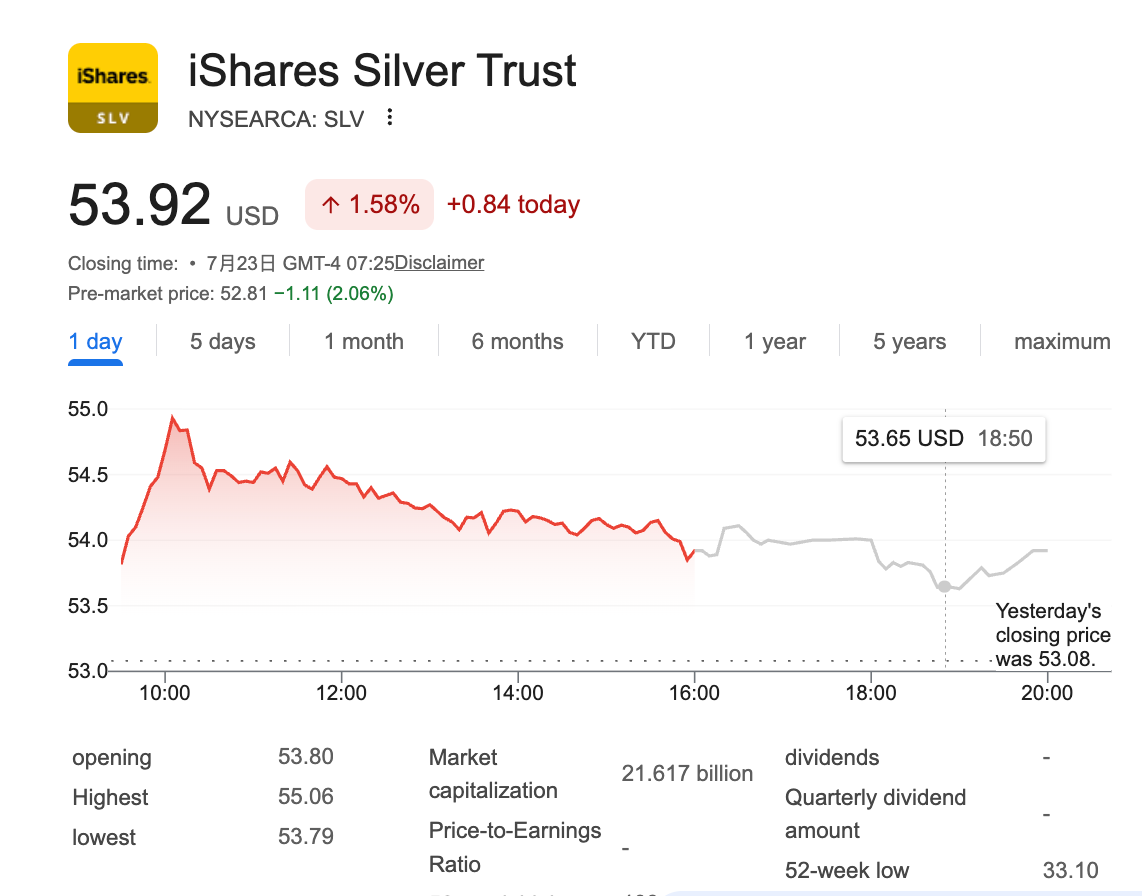
Despite the common search term “SLV stock,” SLV is not an operating company. It does not sell products, report corporate revenue or build mines. Its purpose is to reflect the price of silver bullion, after fees and normal market differences between the trust’s NAV and its exchange-traded share price.
SLV Stock Today: Price, NAV and Holdings
The most important first comparison is market price versus NAV. When SLV trades very close to NAV, the market is valuing the shares near the underlying silver held by the trust. A larger premium or discount can indicate temporary demand imbalances, trading-hour differences or liquidity stress.
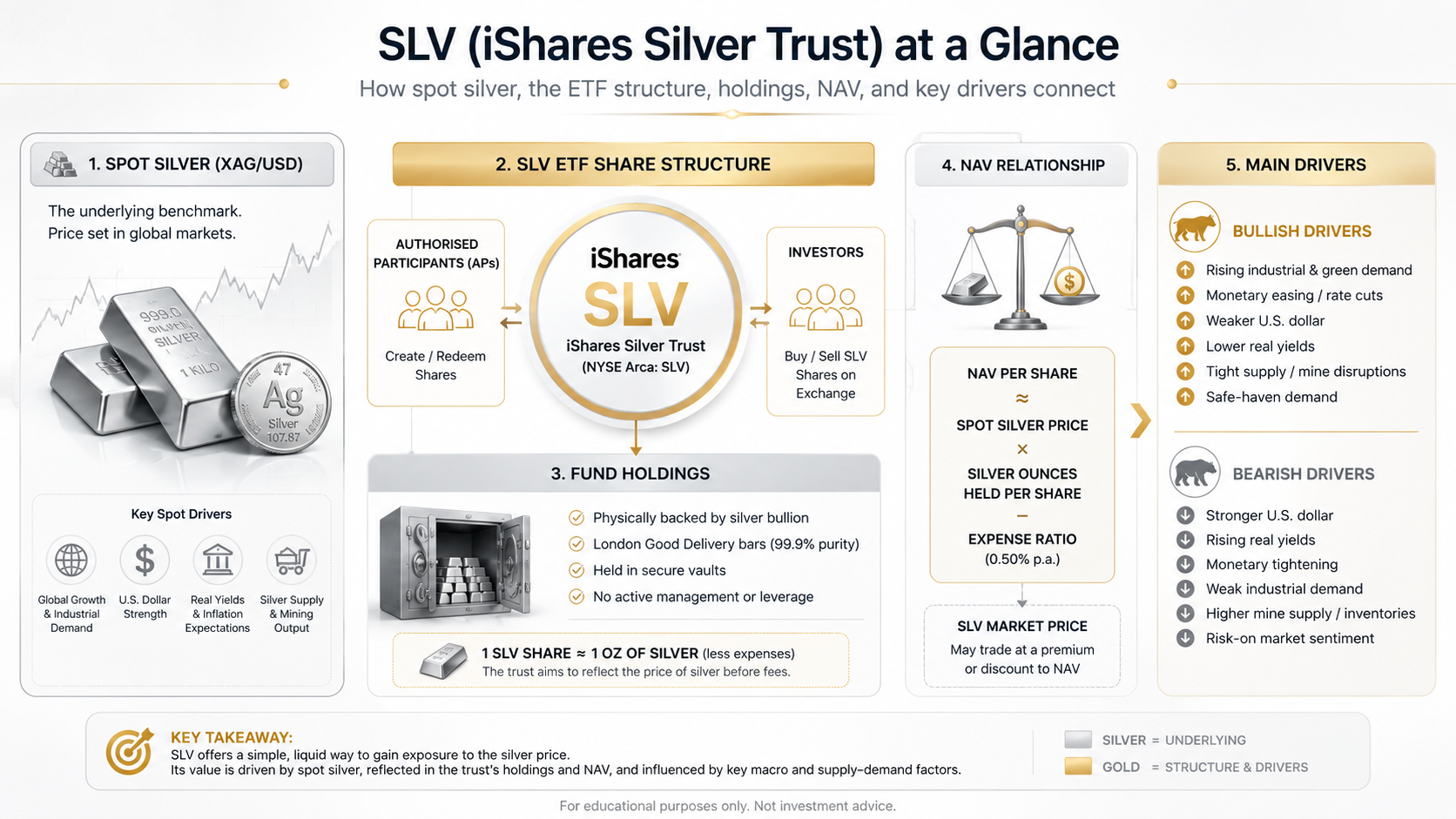
iShares reported roughly 479 million ounces in trust earlier in July and a 0.50% sponsor fee. Holdings can change as shares are created or redeemed, so the final article should refresh ounces, net assets, market price and premium or discount immediately before publication.
What Is SLV?
The iShares Silver Trust is designed to provide exposure to silver bullion without requiring investors to personally buy, store and insure bars or coins. The trust holds physical silver and issues shares that trade on NYSE Arca.
SLV is not a conventional mutual fund or operating-company stock. It also does not pay a regular dividend. Investors receive exposure mainly through changes in the value of the silver backing the shares.
Why SLV Is Moving
Silver Bullion Price
SLV generally follows silver because bullion is its primary asset. When silver rises, the trust’s NAV tends to rise. When silver falls, SLV usually declines. The relationship is close but not exact because of the sponsor fee, market trading and timing differences.
Industrial Demand
Silver has both monetary and industrial characteristics. Demand comes from solar panels, electronics, vehicles, power infrastructure and manufacturing. AI data centers may also contribute indirectly through electronics, electrical systems and broader grid investment.
Industrial demand can support the long-term thesis, but it is sensitive to economic growth. A manufacturing slowdown can weaken silver even when long-term technology demand remains constructive.
Investment Demand and Fund Flows
Investors may buy silver as an inflation hedge, a precious-metal allocation or a momentum trade. Strong demand for SLV can lead to new share creation and additional bullion held by the trust. Outflows can work in the opposite direction.
Dollar and Interest-Rate Expectations
Precious metals often respond to real yields and the U.S. dollar. Lower real yields reduce the opportunity cost of holding a non-yielding metal, while a weaker dollar can make silver cheaper for non-U.S. buyers. Higher yields or a stronger dollar can pressure the market.
SLV Price Trend and Key Levels
The $53 area is the first current reference, but the chart should be refreshed before publication. Traders should identify the recent swing high, the nearest support zone and whether volume confirms a breakout.
A constructive setup would show SLV holding above the prior consolidation zone while silver remains firm and trust flows do not reverse. The bullish case weakens if SLV loses support on rising volume or begins trading at a persistent discount to NAV.
SLV Bull, Base and Bear Scenarios
| Scenario | Confirmation | Main Driver | Invalidation |
|---|---|---|---|
| Bull | SLV holds support and silver resumes its advance | Supply pressure, industrial demand and inflows | Loss of the breakout base |
| Base | SLV consolidates around the recent range | Mixed macro and industrial data | Decisive range break |
| Bear | Silver weakens and trust flows reverse | Higher yields, stronger dollar or weaker demand | Recovery above resistance |
SLV vs Physical Silver vs Silver Miners
| Exposure | Main Advantage | Main Risk |
|---|---|---|
| SLV | Exchange liquidity and bullion tracking | Fee and trust-structure risk |
| Physical silver | Direct possession | Storage, insurance and wide retail spreads |
| Silver miners | Potential operational leverage to silver prices | Management, cost, country and execution risk |
What Could Cause SLV to Underperform Silver?
The sponsor fee gradually reduces the silver represented by each share. Premium or discount changes can also affect short-term performance. In stressed markets, SLV’s market price may temporarily move away from NAV.
Trading hours matter as well. Silver futures and international bullion markets can move when U.S. shares are not trading. SLV may gap when the market reopens.
Readers comparing leveraged market products can review Tapbit Learn’s SOXL risk and outlook guide. For broader market confirmation, see the support and resistance framework.
How Tapbit Can Fit Into a Precious-Metals Strategy
Tapbit does not provide direct SLV shares, so the article should not imply that users can trade SLV on the platform. The useful role for Tapbit is within a broader portfolio workflow rather than as a forced substitute.
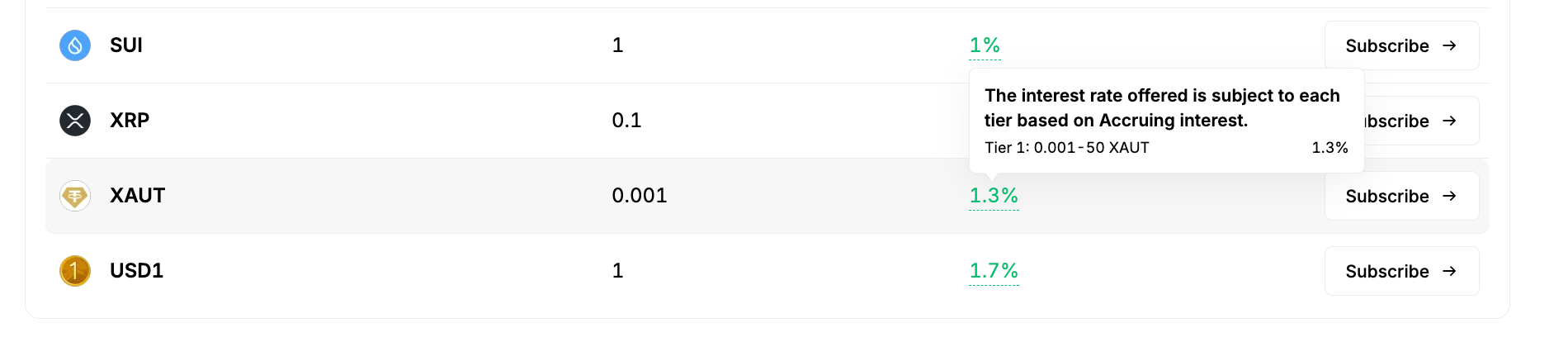
Eligible users may review Tapbit Earn for supported assets. If XAUT Earn is available, it provides a separate gold-linked allocation with a variable platform reward. Gold and silver have different supply, demand and volatility drivers, so XAUT should not be described as a replacement for SLV.
A user may monitor silver externally, maintain precious-metal exposure in the product that matches the intended asset, and use Tapbit for supported crypto markets or eligible Earn products. This keeps the product roles clear and avoids turning an unsupported SLV discussion into an unrelated trading pitch.
After reviewing the supported markets and live Earn terms, users can create an account. Rates, capacity and redemption rules should always be checked on the current product page.
Final Assessment
SLV offers liquid exposure to silver bullion without the logistics of physical storage. The outlook depends on silver prices, industrial demand, investment flows, real yields and the dollar. Investors should monitor NAV, ounces in trust and chart confirmation rather than treating SLV like an ordinary corporate stock.
Frequently Asked Questions
Is SLV backed by physical silver?
Yes. The trust holds silver bullion, although share value is subject to fees and market pricing.
Does SLV pay a dividend?
No regular distribution is listed because the trust primarily holds non-yielding bullion.
Is SLV a mining stock?
No. It is a silver bullion trust.
Is SLV available on Tapbit?
No direct SLV product is confirmed on Tapbit.


