

Lucid stock became one of the market's most volatile names after an unverified report claimed the company was considering bankruptcy or a take-private transaction. LCID fell more than 50% intraday and touched $2.37 before trading halts and a partial recovery. Lucid then rejected the claims as completely false, and the shares rebounded 28.5% to about $5.95.
The news reversal was real, but the investment question is not solved by the denial. Lucid's official statement removed the immediate claim that a board committee was exploring Chapter 11 or privatization. It did not remove the underlying issues that made the rumor believable to some traders: persistent losses, cash consumption, supplier problems, workforce reductions and a business model that still requires substantial external capital.
What Lucid Actually Said About the Bankruptcy Report
Reuters reported that Lucid denied considering bankruptcy or a take-private deal and said no special board committee had been formed to examine those options. The company confirmed that AlixPartners was helping with operational improvements, not preparing a bankruptcy recommendation. Lucid also issued a cease-and-desist letter to the publication that circulated the claims.
Lucid said it had sufficient liquidity to operate into the following year. Its Q1 results showed $3.2 billion in total liquidity at quarter-end. On a pro forma basis, including an April capital raise and an expanded delayed-draw term loan, liquidity would have been approximately $4.7 billion. That figure supports the company's rejection of an imminent bankruptcy narrative, but it is not the same as proving long-term self-funding.
Analyst estimates cited by Barron's still point to substantial cash use. Cantor Fitzgerald estimated roughly $2.8 billion of cash consumption over the next year, while Morgan Stanley projected that Lucid may need another $5 billion through 2027. Those figures explain why liquidity is the first item investors should check even after the rumor was denied.

Four Checks Before Buying Lucid Stock
1. Liquidity Runway Versus Cash Burn
Lucid's pro forma $4.7 billion liquidity position provides time, but not unlimited flexibility. The company must fund vehicle development, factory operations, marketing, supplier commitments and future platforms before it reaches positive free cash flow. Investors should track unrestricted cash, new debt facilities, equity issuance and quarterly free-cash-flow use—not only the headline liquidity number.
Future funding could dilute shareholders even if bankruptcy remains unlikely. A company can be solvent and still produce weak per-share returns when it repeatedly raises capital. This is the core difference between not going bankrupt now and becoming a self-sustaining business.
2. Deliveries Must Catch Up With Production
Lucid produced 5,500 vehicles in Q1 2026, up 149% from a year earlier, but delivered 3,093. Revenue was $282.5 million, up 20%. The gap between production and deliveries matters because unsold inventory ties up capital and may require incentives. Lucid said a seat-supplier issue affected Gravity deliveries in February, while March North American order intake rose 144% from the prior month.
The Q2 production-and-delivery release and the August 4 earnings call are therefore more important than the rumor cycle. Investors need evidence that Gravity supply constraints are easing and that orders convert into paid deliveries rather than only production growth.
3. Restructuring Must Improve Costs, Not Only Headlines
Lucid has cut 18% of its U.S. workforce, changed senior leadership and removed the chief operating officer role. These measures can lower expenses, but they can also create execution risk during a critical product ramp. The next filings should show whether restructuring reduces operating losses without slowing production, service quality or new-model development.
4. The Mid-Size Platform Must Expand the Addressable Market
Lucid currently competes mainly with the Air sedan and Gravity SUV in the premium segment. The planned Cosmos mid-size SUV, expected in late 2026, is intended to reach a broader market and compete with Tesla, Rivian and established automakers. The investment case improves if Lucid can launch on time, price competitively and preserve its technology advantage. Delays would extend the period of high cash burn.
LCID Price Levels After the 28% Rebound
The $5.95 area is now an immediate reference because it reflects the post-denial rebound. A sustained move above $6 would show that the market is treating the bankruptcy report as discredited rather than merely covering short positions. The $4.35-$4.65 region can serve as an intermediate support zone based on the rebound path, while the $2.37 intraday low is an extreme event level rather than a normal valuation anchor.
Price action should be interpreted alongside news quality. Another large rise without improvement in deliveries or cash use would remain vulnerable to reversal. Conversely, a pullback that holds well above the rumor-driven low could indicate that investors are rebuilding a more realistic valuation range.
Lucid Bull, Base and Bear Scenarios
| Scenario | What Must Happen | Main Risk |
|---|---|---|
| Bull | LCID holds above the mid-$4 range, clears $6, Gravity deliveries improve and liquidity remains sufficient without highly dilutive financing. | Execution delays or another large capital raise. |
| Base | Shares remain volatile while Lucid uses its liquidity to restructure and prepares the mid-size platform. | Cash burn remains high and delivery growth stays uneven. |
| Bear | Supplier issues persist, delivery growth disappoints or the company raises capital on unfavorable terms. | Stronger-than-expected demand and cost improvement would weaken the case. |
How to Approach Lucid-Related Exposure on Tapbit
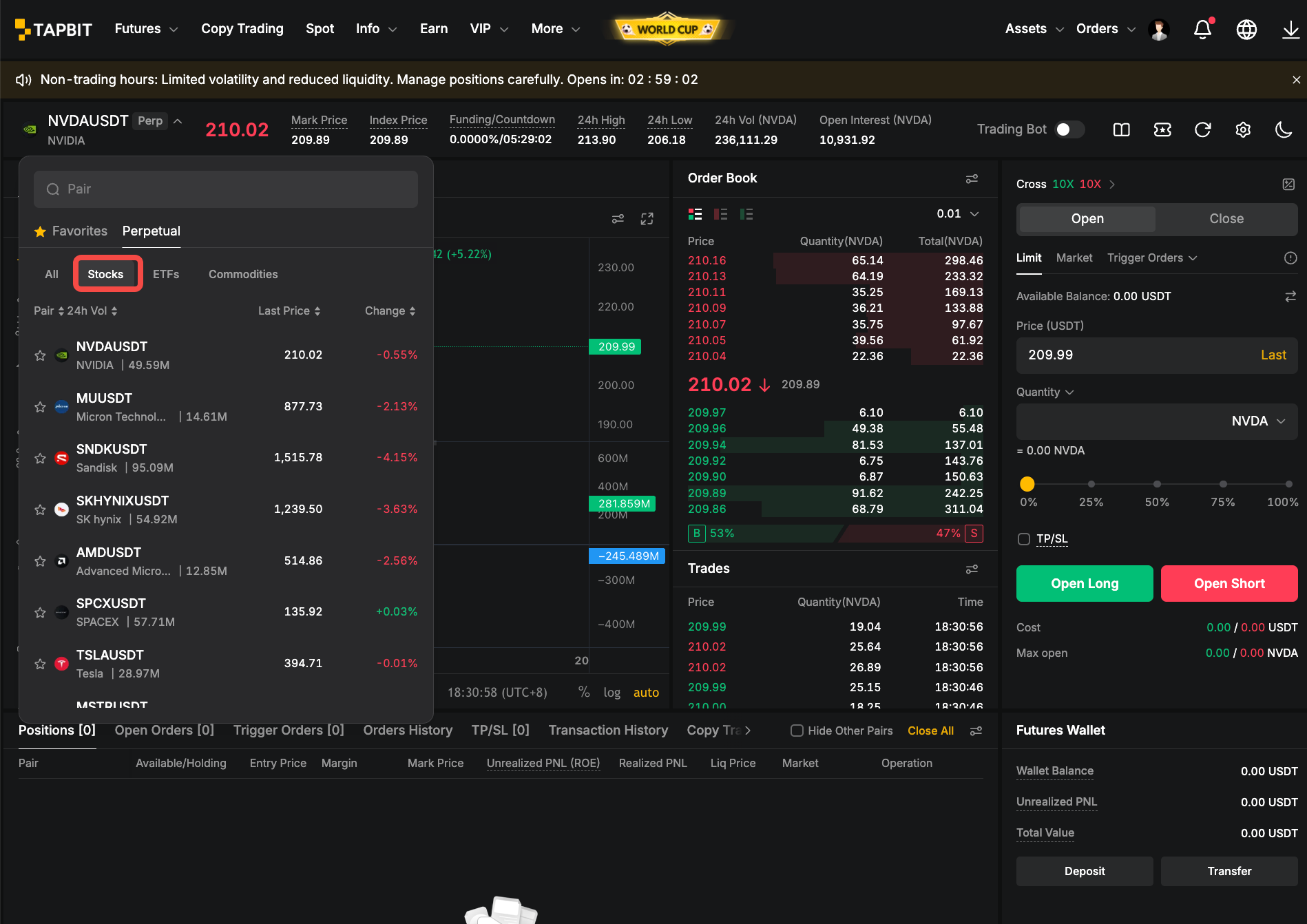
Tapbit does not currently list an LCID-linked product, so the article should not suggest that users can trade Lucid directly on the platform. Readers interested in the broader EV and technology theme can compare Lucid with Tapbit Learn's Tesla stock analysis or review how stock-linked and tokenized products differ from direct shares.
Where a confirmed alternative such as NVDA-USDT or TSM-USDT is mentioned, it must be described as a different AI or technology-market exposure—not as an LCID substitute. Users can create an account to review currently supported markets before making a decision.
Final Assessment
Lucid's denial makes the extreme bankruptcy narrative less credible, but it does not turn LCID into a low-risk investment. The rebound is a news correction; the durable investment case still depends on liquidity, deliveries, cost control and the mid-size platform. Buyers should require evidence from the next production and earnings updates rather than treating a 28% rebound as proof of a completed turnaround.
Frequently Asked Questions
Is Lucid going bankrupt?
Lucid has denied the bankruptcy report as completely false and said it has sufficient liquidity into the following year. The company still faces high cash burn and may require additional funding, so investors should monitor filings rather than treating the denial as proof that all financial risk is gone.
Why did LCID rebound 28%?
The rebound followed Lucid's denial of bankruptcy and take-private claims, confirmation that no special board committee had been formed, and reassurance about its liquidity position.
What are the most important Lucid metrics now?
Liquidity, quarterly cash burn, vehicle deliveries, the production-to-delivery gap, Gravity execution and the timing of the mid-size platform are the most useful operating indicators.
Can I trade LCID on Tapbit?
Tapbit does not currently confirm an LCID-linked product. Users should check the supported market list and should not confuse other stock-linked products with Lucid exposure.


