






The crypto market has no shortage of narratives this month, but one date is still sitting above the rest: March 18.
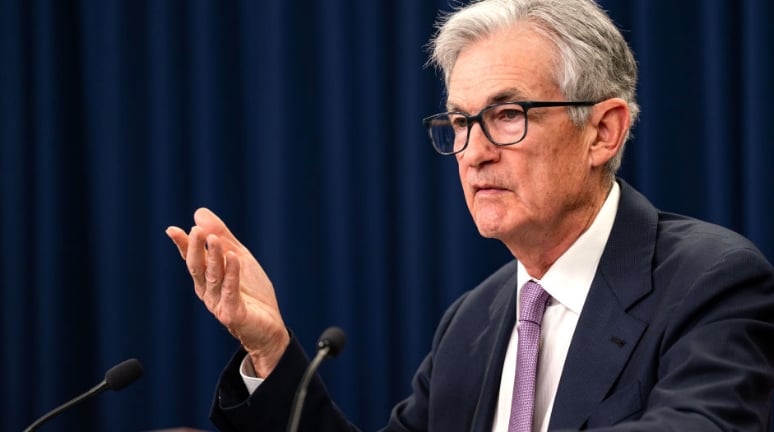
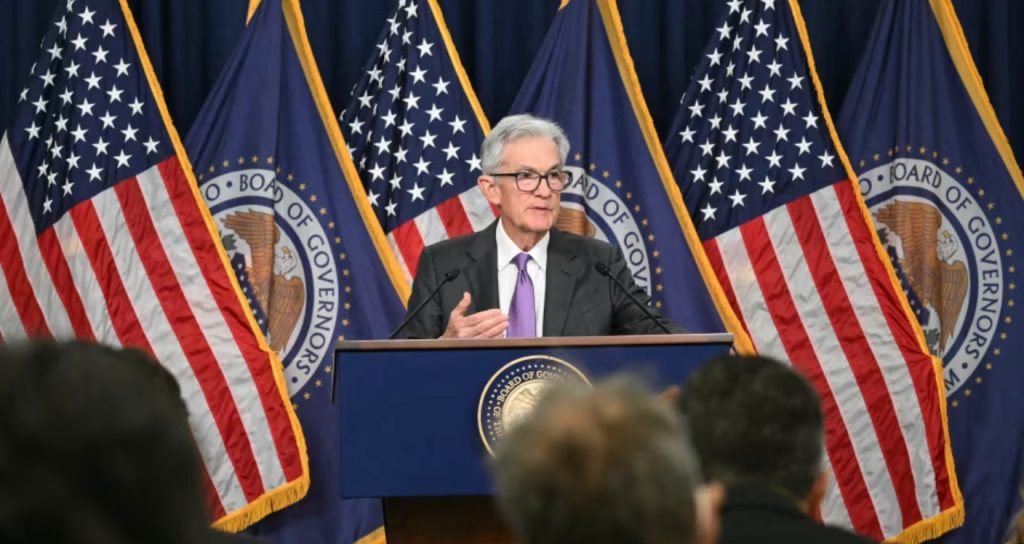
That is when the Federal Reserve will publish its next rate decision after the March 17–18 FOMC meeting, followed by Chair Jerome Powell’s press conference. For crypto traders, this is not really about whether the Fed suddenly delivers a surprise cut. It is about whether the central bank sounds comfortable enough to open the door to easier policy later this year — or whether it keeps the market stuck in the same higher-for-longer mindset that has capped risk appetite for weeks.
As of March 6, Bitcoin is trading near $70,939 after rebounding from February’s deep sell-off, which makes this meeting feel even more important. Traders on Tapbit and other major crypto exchanges are closely watching the upcoming Federal Reserve meeting, as macro signals from the FOMC often drive short-term volatility across the Bitcoin and altcoin market.
Why the market is focused on this FOMC meeting
The March meeting matters because it comes with updated economic projections. Traders are not only watching the rate decision itself, but also the dot plot, inflation forecasts, growth expectations, and Powell’s tone at the press conference. On paper, the schedule is straightforward: the Fed’s two-day meeting runs from March 17 to March 18, the statement is due at 2:00 p.m. Eastern Time on March 18, and Powell is scheduled to speak at 2:30 p.m. ET.
Right now, the broad expectation is that the Fed keeps rates unchanged. Reuters reported in late February that CME FedWatch was implying a 94.1% probability that the central bank would leave the fed funds target range at 3.50% to 3.75% in March. That means the real market question is no longer whether the Fed holds, but what comes next.
The base case is still a hold, but the language matters more
The Fed kept the federal funds target range at 3.50% to 3.75% at its January 28 meeting and said it would continue to assess incoming data, the evolving outlook, and the balance of risks before making further adjustments. That is why the March headline itself may not be the real mover. Markets have mostly priced in no change already. What they have not fully priced in is how policymakers describe inflation, growth, and uncertainty from here.
If the statement and Powell’s press conference leave room for a mid-year easing window, crypto could take that as a green light for risk. If the Fed doubles down on sticky inflation and pushes back again on easing hopes, the market may have to postpone those expectations one more time.
Why this matters so much for Bitcoin
Bitcoin still trades with its own crypto-native catalysts, but it is also behaving more and more like a global liquidity-sensitive risk asset. When macro stress rises, crypto usually feels it quickly. When rate-cut hopes return, it tends to benefit just as quickly.
That link was obvious in February. Bitcoin briefly slid toward the low-$60,000 area before rebounding back above $70,000 as broader risk sentiment steadied. The message from price action was clear: capital has not disappeared, but the market still needs a friendlier macro backdrop before it can fully commit to a stronger trend.
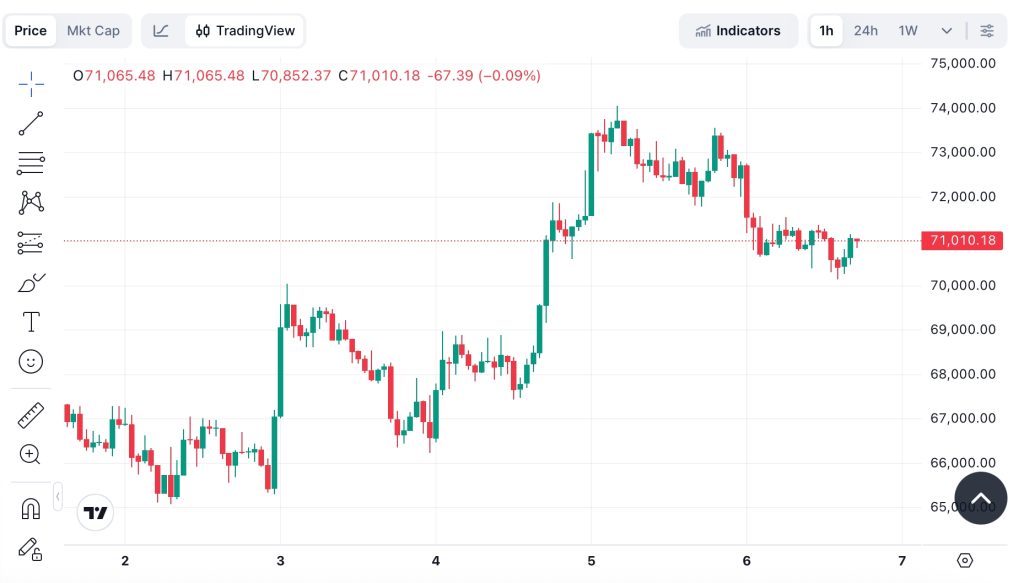
For traders, that makes March 18 a tone-setting event. A softer Fed could help Bitcoin hold higher levels and pull fresh money back into majors and high-beta altcoins. A hawkish Fed could do the opposite and turn the current rebound into another round of choppy repricing.
The real swing factor is not the rate number
The crypto market is unlikely to move sharply just because the Fed holds rates steady again. That is already the consensus outcome. What matters more is whether policymakers start sounding less attached to restrictive policy, or whether they continue stressing inflation risks and the need for patience.
That question has become more important because recent Fed commentary has not offered traders much clarity. Reuters reported that Richmond Fed President Thomas Barkin said sticky inflation and stronger labor data could shift the Fed’s risk outlook, while Kansas City Fed President Jeffrey Schmid warned there was no room for complacency on inflation. Reuters also reported that New York Fed President John Williams said further cuts were still possible, but only if inflation continues to move lower as expected.
That mix is exactly why this meeting feels like a dividing line. The market does not need an immediate cut. It needs confidence that the next phase of policy will become less restrictive, not more uncertain.
The data before the meeting could still change positioning
There is another reason traders are reluctant to make oversized bets too early. Key U.S. macro data arrives just before the Fed meeting. The Bureau of Labor Statistics has the February nonfarm payrolls report scheduled for March 6 and the February CPI report scheduled for March 11. Those releases can still reshape expectations heading into March 18.
A hotter inflation print or another firm labor report would strengthen the case for Fed patience. A softer set of numbers would make it easier for markets to revive hopes that the easing window opens later in 2026. That leaves crypto in a familiar spot: it is trading not only on what the Fed does, but on what the data allows the Fed to say.
What crypto traders should actually watch on March 18
There are three things worth watching more closely than the headline rate decision.
First, the dot plot. If policymakers still leave room for easing later in 2026, markets may read that as constructive even without an immediate cut.
Second, the statement language. Even a subtle softening around restrictive policy, inflation progress, or balance-of-risks wording could be enough for traders to treat the meeting as mildly dovish.
Third, Powell’s press conference. This is where markets often get the real signal. If Powell leans into caution, says inflation risks remain uncomfortable, or refuses to validate easing expectations, crypto could struggle to extend gains. If he sounds more open to policy normalization later this year, risk assets may respond positively.
For active traders, events like the March FOMC decision often lead to sharp price movements in Bitcoin and major altcoins. Many investors monitor these macro catalysts while trading on platforms such as Tapbit, where real-time market data and derivatives markets make it easier to react quickly to macro-driven volatility.
X sentiment: March 18 is being treated as a macro trigger for crypto
On X, discussion around the March 18 FOMC meeting has centered less on the odds of an immediate cut and more on the possibility of a post-meeting repricing in risk assets. A widely shared post tracking CME FedWatch expectations highlighted how strongly the market still leans toward a hold, while a Cointelegraph post on X linked Bitcoin’s recent hesitation to the same mix of macro stress and policy uncertainty now shaping trader positioning.
Across the broader #FOMC feed on X and live rate-cut discussions, the tone has been broadly similar: traders are not positioned for a dramatic March surprise, but they are clearly bracing for volatility if Powell shifts the market’s view on how long policy will stay restrictive. For crypto, that matters because when expectations are already skewed toward a hold, the real swing factor is no longer the rate decision itself, but the language that comes with it.
Why March 18 feels like a line in the sand
Calling one meeting a turning point can sound dramatic, but this one genuinely has the ingredients to matter.
Crypto is coming into the event after a period of heavy macro sensitivity. Bitcoin has already shown it can rebound sharply when broader risk appetite steadies, but it has also shown how quickly it can lose altitude when the rate outlook hardens. By mid-March, traders should have a better read on labor data, inflation, the Fed’s projections, and Powell’s policy framing all at once.
That combination could give the market a cleaner answer to one question it has been wrestling with for weeks: is 2026 gradually shifting toward easier financial conditions, or is the crypto market still stuck under the shadow of restrictive policy?
March 18 may not settle that question for the entire year. But it could do a lot to define how Bitcoin and the broader crypto market trade for the rest of this month.
FAQ
When is the March 2026 FOMC meeting?
The March 2026 FOMC meeting runs from March 17 to March 18. The Fed is scheduled to release its rate decision at 2:00 p.m. Eastern Time on March 18, followed by Jerome Powell’s press conference at 2:30 p.m. ET.
Is the Fed expected to cut rates in March 2026?
The market consensus has been that the Fed will likely leave rates unchanged in March. The more important issue is whether the Fed’s language opens the door to cuts later in 2026.
Why does the FOMC matter for Bitcoin?
Bitcoin has become increasingly sensitive to macro liquidity, real yields, and overall risk sentiment. A more dovish Fed usually helps high-beta assets, while a more hawkish tone can pressure crypto prices.
What should crypto traders watch besides the rate decision?
Focus on the dot plot, the Fed’s economic projections, the wording in the statement, and Powell’s comments during the press conference. Those often matter more than the unchanged rate itself.
What U.S. data releases matter before the meeting?
The February nonfarm payrolls report is scheduled for March 6, and the February CPI report is due on March 11. Both releases could shift expectations before the Fed decision.
Trade responsibly on Tapbit:
- Sign Up on Tapbit (0% maker fees)
- Login & Deposit JPY/USDT
- Live BTC/USDT & ETH/USDT Charts
Disclaimer: Cryptocurrency trading involves significant risk of loss. Prices are highly volatile and can change rapidly. Regulatory policies and implementation details are subject to change. This article is for informational purposes only and does not constitute investment, legal or financial advice. Always conduct your own research (DYOR) and consult qualified professionals before making decisions.