
Strategic American Oil Supply, better known as SAOS, has attracted attention by combining two powerful market themes: Solana memecoin trading and growing concern about U.S. energy reserves.
The name gives SAOS a serious, macroeconomic identity. Its branding refers to American oil supplies, geopolitical risk and the Strategic Petroleum Reserve. Recent trading activity around one SAOS contract has strengthened that narrative, but the underlying picture is more complicated than the name suggests.
SAOS does not appear to represent ownership of U.S. oil reserves. There are also at least two Solana tokens using the same name and ticker, while the website associated with the more active contract is no longer operational. Before interpreting the latest price movement, traders need to understand which token they are looking at and what the asset actually represents.
What Is Strategic American Oil Supply?

SAOS is a Solana-based token built around the idea of American energy security and strategic oil supplies. Earlier project materials described an ambition to bring U.S. oil reserve data on-chain and create “tokenized exposure” to one of the country’s largest strategic assets.
The language sounds similar to a real-world asset project, but publicly available information does not show a legal or financial connection between SAOS and physical oil.
No verified evidence has been found of an oil custody arrangement, commodity redemption mechanism, government partnership or revenue stream tied to petroleum sales. The project’s earlier website also described SAOS as a speculative memecoin.
This makes SAOS better understood as an energy-themed narrative token. Its market value is driven by trading activity, liquidity and attention rather than a contractual claim on barrels of oil.
Why Is the Oil Reserve Narrative Attracting Attention?
The underlying energy story is real, even if SAOS has no verified economic exposure to it.
In March 2026, the U.S. Department of Energy announced that the United States would release 172 million barrels from the Strategic Petroleum Reserve as part of a coordinated international effort to address energy supply conditions. The planned deliveries were expected to take approximately 120 days.
Official data from the U.S. Energy Information Administration show that the reserve held approximately 415 million barrels in March. By July 24, that figure had fallen to about 307.7 million barrels.
The decline has made U.S. oil reserves, supply security and geopolitical energy risks more prominent market topics. SAOS borrows directly from that discussion. When oil markets receive greater attention, traders may look for crypto assets that reflect the same narrative, even when those tokens do not provide actual commodity exposure.
That distinction is important. A change in the Strategic Petroleum Reserve can create attention for SAOS without creating cash flow, oil ownership or a direct valuation mechanism for the token.
What Does the Current SAOS Market Look Like?
The more active CMBut...M1US contract showed a price near $0.0074 when reviewed on DEX Screener. The platform displayed an estimated market capitalization and fully diluted valuation of approximately $7.3 million, alongside roughly $255,000 in liquidity.
The same pool recorded approximately $2.4 million in 24-hour volume and showed more than 17,000 token holders. These figures help explain why SAOS has entered market discussions: it has generated real short-term DEX activity.
However, price and valuation figures differed substantially across market-data providers. Some third-party pages displayed a much lower price and market capitalization for the same contract.
Such differences can arise from delayed updates, fragmented liquidity, different pool selection methods or sudden price movements. They also make SAOS difficult to value accurately. For a token trading across decentralized pools, the depth and reliability of each pool may matter more than the headline market capitalization.
Is SAOS Backed by the U.S. Strategic Petroleum Reserve?
There is no verified evidence that it is. The Strategic Petroleum Reserve is owned and operated by the U.S. Department of Energy. It consists of four storage locations along the Gulf Coasts of Texas and Louisiana. Ownership of an SAOS token does not provide ownership of oil stored at those facilities.
Earlier SAOS materials referred to 714 million barrels of reserve exposure and displayed a 97.2% fill rate. Official government data tell a different story.
According to the U.S. Department of Energy, 714 million barrels represent the reserve’s authorized storage capacity, not its current oil inventory. The department reported approximately 336.8 million barrels in storage as of June 25, while EIA weekly data showed around 307.7 million barrels on July 24.
Using total capacity as if it were the current stockpile can give readers a misleading impression of both the reserve and the token’s supposed exposure.
SAOS should therefore not be described as an oil-backed token, an oil price tracker or a tokenized share of the Strategic Petroleum Reserve.
The Project Website Raises Additional Questions
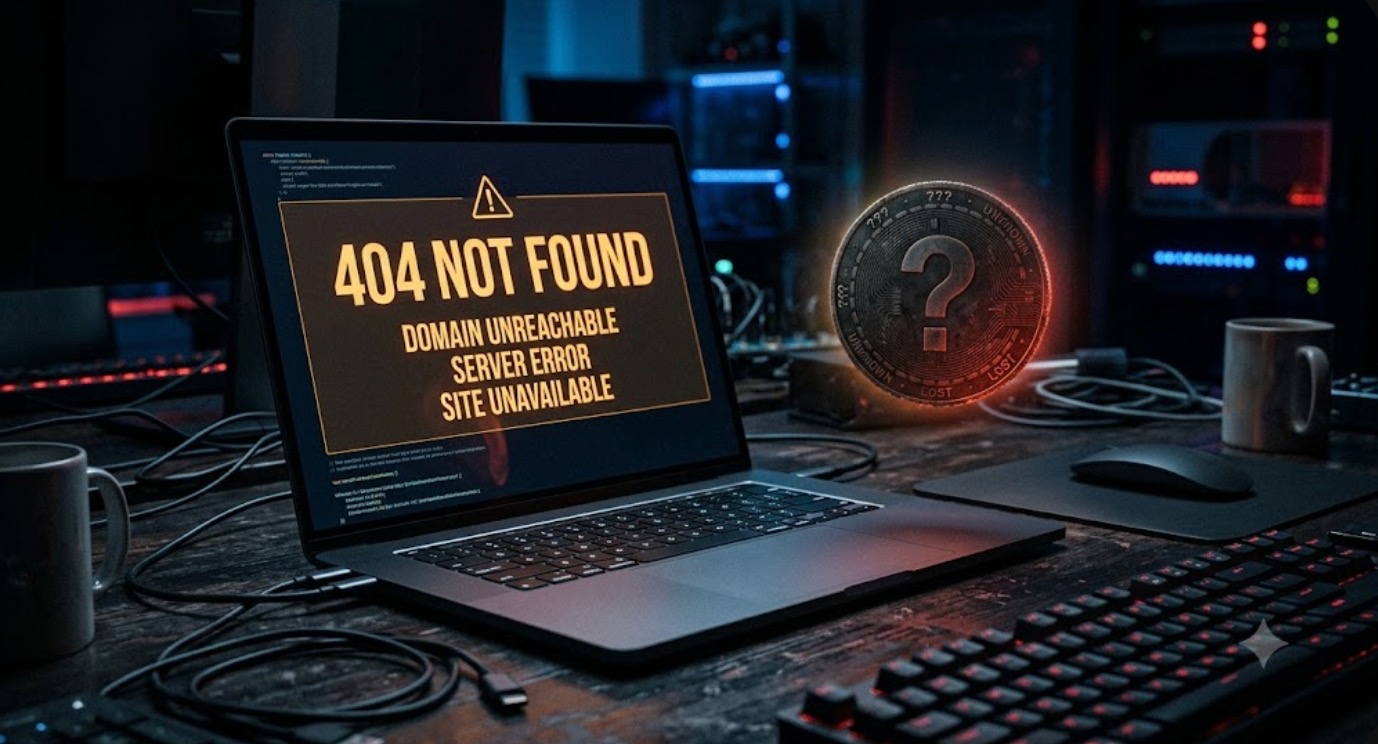
DEX Screener links the more active SAOS contract to saos.live and an X account named @saosonsol. At the time of review, however, the website had become a parked Hostinger domain rather than an active project page.
Previously indexed materials mentioned a future oil price oracle, additional exchange listings and a reserve-focused DAO. They also listed the contract audit as pending. With the website no longer available, the current status of those plans cannot be confirmed.
A broken or parked website does not prove that a token is fraudulent. It does remove an important source of documentation, particularly when the team is not clearly identified and the relationship between two contracts remains unexplained.
For a project using RWA-style terminology, reliable documentation matters. Traders need to know who operates the project, how tokens were distributed, whether liquidity is locked and what rights, if any, the token provides.
What Is Driving the SAOS Price?
SAOS appears to be trading primarily on narrative momentum.
The token combines recognizable themes: American energy security, falling strategic reserves, geopolitical tension and Solana memecoin speculation. That combination can attract short-term capital when oil markets dominate headlines.
Low liquidity can amplify the move. A market capitalization of several million dollars may look substantial, but the active pool contained only a fraction of that amount in actual liquidity. Large orders can therefore create considerable slippage and move the displayed price quickly.
The same structure works in both directions. If attention moves to another narrative or large holders begin selling, the price may fall faster than traders expect.
Conclusion
SAOS is receiving attention because it gives the market a simple way to trade an increasingly visible story: declining U.S. strategic oil inventories and renewed concern about energy security.
What SAOS offers, however, is narrative exposure rather than verified ownership of oil. The token has no confirmed link to the U.S. government or the Strategic Petroleum Reserve, and earlier project materials confused storage capacity with actual inventory.
The existence of two same-name contracts adds another layer of risk. The more active version has generated substantial short-term DEX volume, but its relationship with the earlier SAOS token remains unclear, its website is inactive and market-data providers disagree sharply on its valuation.
For traders, the lesson extends beyond SAOS. In narrative-driven crypto markets, a convincing name can attract attention quickly. Contract verification, liquidity and documented rights still determine what the token actually represents.
Traders can visit Tapbit to follow available crypto markets, market insights and new trading narratives. Existing users can access their accounts through the Tapbit login page, while new users can register here.
Frequently Asked Questions
What is SAOS crypto?
SAOS stands for Strategic American Oil Supply. It is a Solana-based, energy-themed token that uses U.S. oil reserves and energy security as its main narrative. Publicly available evidence does not show that it owns physical oil or represents a legal interest in the U.S. Strategic Petroleum Reserve.
Why is SAOS trending?
SAOS is benefiting from increased attention around falling U.S. strategic oil inventories, geopolitical uncertainty and energy supply risks. The more active SAOS contract has also recorded substantial decentralized exchange activity, drawing interest from short-term traders.
Is SAOS backed by oil?
No verified oil backing has been identified. SAOS does not provide documented ownership of oil, commodity redemption rights or revenue from petroleum sales. It should not be treated as an oil-backed RWA.


