

United Oil Trust Fund, commonly presented under the ticker UOTF, appears to be a highly speculative crypto token using an oil-backed or commodity-investment narrative. As of August 2026, there is insufficient independently verifiable evidence that UOTF owns physical oil, represents a legal claim on petroleum reserves, tracks an established oil benchmark, or offers token holders enforceable redemption rights.
Investors should therefore treat UOTF as an unverified narrative token—not as an oil fund, regulated commodity product, or equivalent to owning crude oil. Users can create a Tapbit account to explore supported crypto markets and risk-management tools. This does not mean UOTF is listed on Tapbit.
What Is United Oil Trust Fund?
The United Oil Trust Fund name suggests a financial product connected to petroleum assets. Terms such as “oil,” “trust,” and “fund” can create the impression that professional managers hold physical barrels, futures contracts, energy-company shares, or other collateral on behalf of token holders.
A crypto token can use these terms without possessing any of those characteristics. Unless the issuer provides legal documentation and independently verifiable evidence, the name alone does not establish ownership of physical petroleum, exposure to WTI or Brent, an interest in oil companies, a legally established trust, a regulated fund, redemption rights, or government backing.
Public searches for the exact UOTF name and ticker produce little authoritative project information. This makes it difficult to confirm the issuer, token contract, network, supply, governance structure, or intended utility.
Is UOTF Really Backed by Oil?
There is currently no reliable public evidence sufficient to confirm that UOTF is backed by oil. A genuine commodity-backed token requires more than promotional statements about reserves or energy sovereignty.
At minimum, an oil-backed product should identify the legal entity issuing the token, the type and location of the collateral, the custodian holding it, the valuation method, and the rights available to token holders. It should also explain what happens if the issuer becomes insolvent.
| Evidence Needed | Why It Matters |
|---|---|
| Named legal issuer | Identifies who owes obligations to holders |
| Custodian agreement | Shows who controls the alleged oil assets |
| Independent audit | Confirms that collateral exists |
| Reserve reports | Links token supply to underlying assets |
| Redemption terms | Explains whether holders can claim value |
| Benchmark methodology | Shows how the token tracks oil prices |
| Regulatory disclosures | Clarifies jurisdiction and investor rights |
Without these documents, “oil-backed” should be treated as a claim rather than a verified fact.
UOTF Price and Market Data
A reliable UOTF price cannot be established from a ticker alone. Crypto tickers are not unique, and decentralized exchanges may contain multiple tokens using the same symbol. Anyone can create a token called UOTF and attach branding that resembles an existing project.
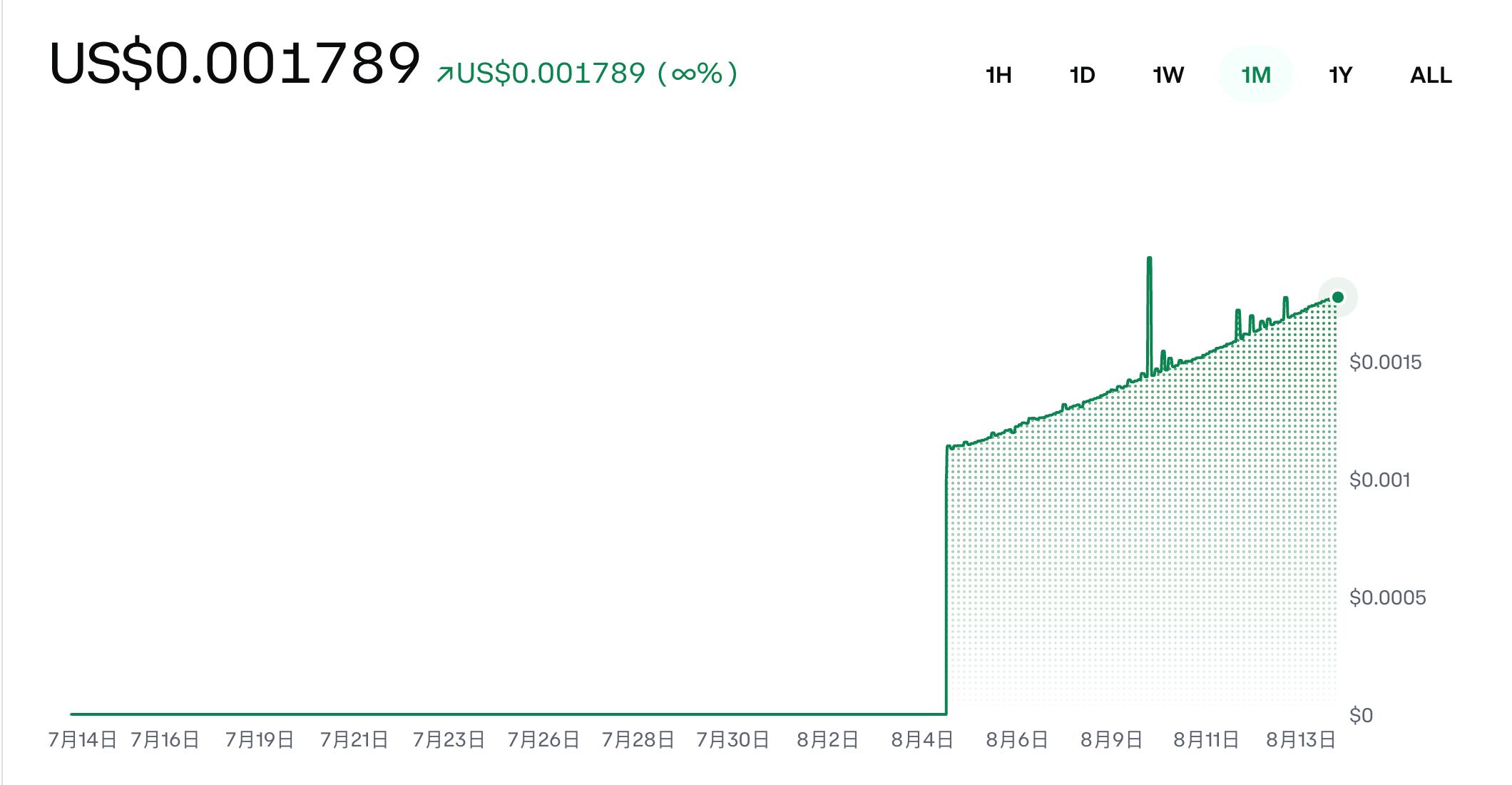
Even when a chart displays a price, that number may come from a pool with extremely limited liquidity. A token could show a multimillion-dollar valuation while only a few hundred or thousand dollars are available for trading. One transaction may then move the quoted price sharply.
Before relying on any UOTF market figure, investors should verify the exact blockchain network, complete contract address, official confirmation of that address, main-pool liquidity, recent volume, unique traders, holder concentration, and privileged contract permissions.
UOTF vs a Genuine Oil Investment
| Product | What the Holder Receives | Primary Risk |
|---|---|---|
| UOTF token | Unverified crypto exposure | Contract, liquidity, and issuer risk |
| Oil ETF | Shares in a regulated fund | Tracking error and futures roll costs |
| Crude-oil futures | Contractual commodity-price exposure | Leverage, margin, and expiry |
| Energy stock | Equity in an operating company | Business and commodity-cycle risk |
| Verified oil-backed token | Defined claim under disclosed terms | Custody, redemption, and legal risk |
A legitimate oil investment normally has identifiable pricing rules and legal documentation. An obscure token may instead move according to social-media attention, wallet activity, and speculative demand rather than changes in WTI or Brent.
Why Oil-Backed Crypto Narratives Attract Buyers
Oil is globally traded, strategically important, and closely associated with inflation and geopolitical risk. Combining it with blockchain creates an attractive story: fractional ownership, continuous trading, transparent reserves, and easier access to commodity markets.
These benefits are possible in theory, but tokenization does not automatically create ownership. A blockchain can prove that tokens were issued and transferred. It cannot independently prove that barrels exist in a storage facility, that a custodian holds valid title, or that token holders can enforce a claim in court.
The gap between an on-chain token and an off-chain asset must be bridged by legal agreements, custody records, audits, and redemption procedures. If those links are missing, the blockchain only tracks the token—not the alleged oil.
Key Risks of United Oil Trust Fund
Unverified backing
Buyers may assume UOTF owns petroleum assets without sufficient evidence. If no collateral exists, the token’s value depends entirely on market demand.
Contract identity and liquidity risk
The lack of a clearly established official contract makes imitation tokens easier to create. Low liquidity can produce extreme price changes and severe slippage.
Holder and smart-contract control
If a few wallets control most of the supply, they may strongly influence price and liquidity. Minting, freezing, blacklisting, taxes, or upgrade permissions may also change how the token behaves.
Legal uncertainty
Using “trust” or “fund” in a token name does not prove that a legally recognized trust or regulated fund exists. Buyers may have no claim against the issuer or any alleged collateral.
How to Check Whether UOTF Is Legitimate
Begin with the contract address, not the ticker. The issuer should publish one consistent address through an official website and verified social channels.
Next, request evidence supporting every material claim. Look for audited statements, signed custody arrangements, reserve locations, insurance details, redemption procedures, and a named legal entity. Check whether the auditor and custodian independently acknowledge the relationship.
On-chain analysis should cover liquidity, holder distribution, deployer history, contract permissions, token age, and trading behavior. Warning signs include newly created pools, concentrated ownership, inconsistent contracts, unexplained supply changes, unusually high transfer taxes, or claims that cannot be confirmed outside project-controlled pages.
Conclusion
United Oil Trust Fund may use a compelling oil-tokenization narrative, but publicly available evidence does not currently establish that UOTF is an oil-backed trust, regulated fund, or redeemable commodity token. Its price is also difficult to evaluate without a confirmed contract address and sufficiently liquid market.
Until UOTF publishes verifiable custody records, independent reserve audits, legal disclosures, and clear redemption rights, it should be treated as a high-risk speculative token. Investors seeking genuine oil exposure should distinguish promotional language from legally enforceable and independently audited asset backing.
Frequently Asked Questions
Is UOTF backed by physical oil?
There is currently insufficient independent evidence to confirm that UOTF is backed by physical oil or petroleum-related financial assets.
Is United Oil Trust Fund a regulated fund?
The name does not prove regulatory status. Investors should look for a named legal entity, regulator registration, jurisdiction, and formal offering documents.
What is the current UOTF price?
A reliable price cannot be identified without confirming the exact contract address and main liquidity pool. Different tokens may use the same ticker.
Can UOTF be redeemed for oil?
No verified public redemption mechanism has been established. A genuine redemption right should be documented in enforceable legal terms.
Is UOTF a scam?
Available evidence is insufficient to make a definitive legal conclusion. However, the lack of verified backing, clear documentation, and confirmed market identity makes it highly risky.
What should investors verify before buying UOTF?
Check the official contract, network, liquidity, holder concentration, contract permissions, issuer identity, reserve audit, custodian, and redemption terms.


