

Orchid (OXT) is a crypto project built around a practical question: can privacy-focused internet access work without relying entirely on centralized VPN companies? Instead of selling a normal monthly VPN subscription, Orchid uses blockchain-based payments and a decentralized marketplace model for bandwidth and services.
For users comparing Web3 infrastructure tokens and broader digital asset markets, the Tapbit registration page provides access to crypto market tools and trading features. This is a general market-access link, not a statement that OXT is listed on Tapbit, so users should always confirm supported markets before trading.
What Is Orchid (OXT) Crypto?
Orchid is a decentralized network designed for privacy-oriented internet access. According to the official Orchid website, the project is building decentralized marketplaces for bandwidth and other services, with Orchid VPN positioned as a pay-as-you-go VPN protocol.
The project’s native token is OXT. Orchid describes OXT as an ERC-20 token built on Ethereum and connected to its decentralized provider marketplace. In plain English, OXT is the token that helps power the economic layer behind Orchid’s privacy and bandwidth marketplace.

How Does Orchid’s Decentralized VPN Work?
A traditional VPN routes user traffic through servers controlled by a single company. Orchid takes a different route. It aims to let users buy bandwidth from providers in a decentralized marketplace, using nanopayments rather than a standard flat subscription model.
This model is attractive because it tries to reduce dependence on one VPN provider. In theory, users can connect through different providers and pay only for what they use. In practice, however, a decentralized VPN still has to compete on speed, reliability, privacy, pricing, and ease of use. Most users will not adopt a privacy tool simply because it is decentralized; it also has to feel convenient.
What Is OXT Coin Used For?
OXT is primarily used within the Orchid ecosystem. It is tied to provider participation, staking, and the marketplace structure behind Orchid’s services. This gives the token a more specific role than many general-purpose altcoins.
Still, token utility should not be confused with guaranteed token value. If Orchid usage grows but OXT demand does not grow proportionally, the token may not capture as much upside as investors expect. That is why users should evaluate both the project’s product adoption and the token’s actual economic role.
Orchid vs Traditional VPN: Key Differences
The easiest way to understand Orchid is to compare it with a normal VPN. Both are related to internet privacy, but they use very different models.
| Feature | Orchid (OXT) | Traditional VPN |
|---|---|---|
| Network model | Decentralized bandwidth marketplace | Company-operated server network |
| Payment style | Crypto-based, pay-as-you-go model | Monthly or annual subscription |
| Main appeal | Web3 privacy infrastructure | Simple consumer privacy tool |
| User challenge | Requires crypto familiarity | Requires trust in one provider |
| Token exposure | OXT utility token | No native crypto token |
Why Orchid Still Matters in Web3 Privacy
Privacy remains one of crypto’s strongest long-term themes. Users are increasingly aware of data tracking, account restrictions, surveillance concerns, and the limits of centralized online services. Orchid sits in that conversation because it connects privacy infrastructure with blockchain-based payments.
That gives Orchid a real narrative. It is not only a meme coin or a vague infrastructure token. It is linked to a service category that normal internet users already understand. The challenge is whether decentralized privacy products can become simple enough for everyday users, not just crypto-native users.
OXT Tokenomics and Market Reality
OXT is an Ethereum-based ERC-20 token, which means it exists on an established smart contract network rather than on its own standalone blockchain. This can help with wallet and exchange compatibility, but it also means OXT is exposed to broader Ethereum ecosystem conditions and general altcoin market sentiment.
Investors should look beyond the token name and ask practical questions: Is the Orchid VPN being used? Are providers active? Is OXT demand connected to real service activity? Is liquidity strong enough? Is trading volume sustainable? These details matter more than a short-term price move.
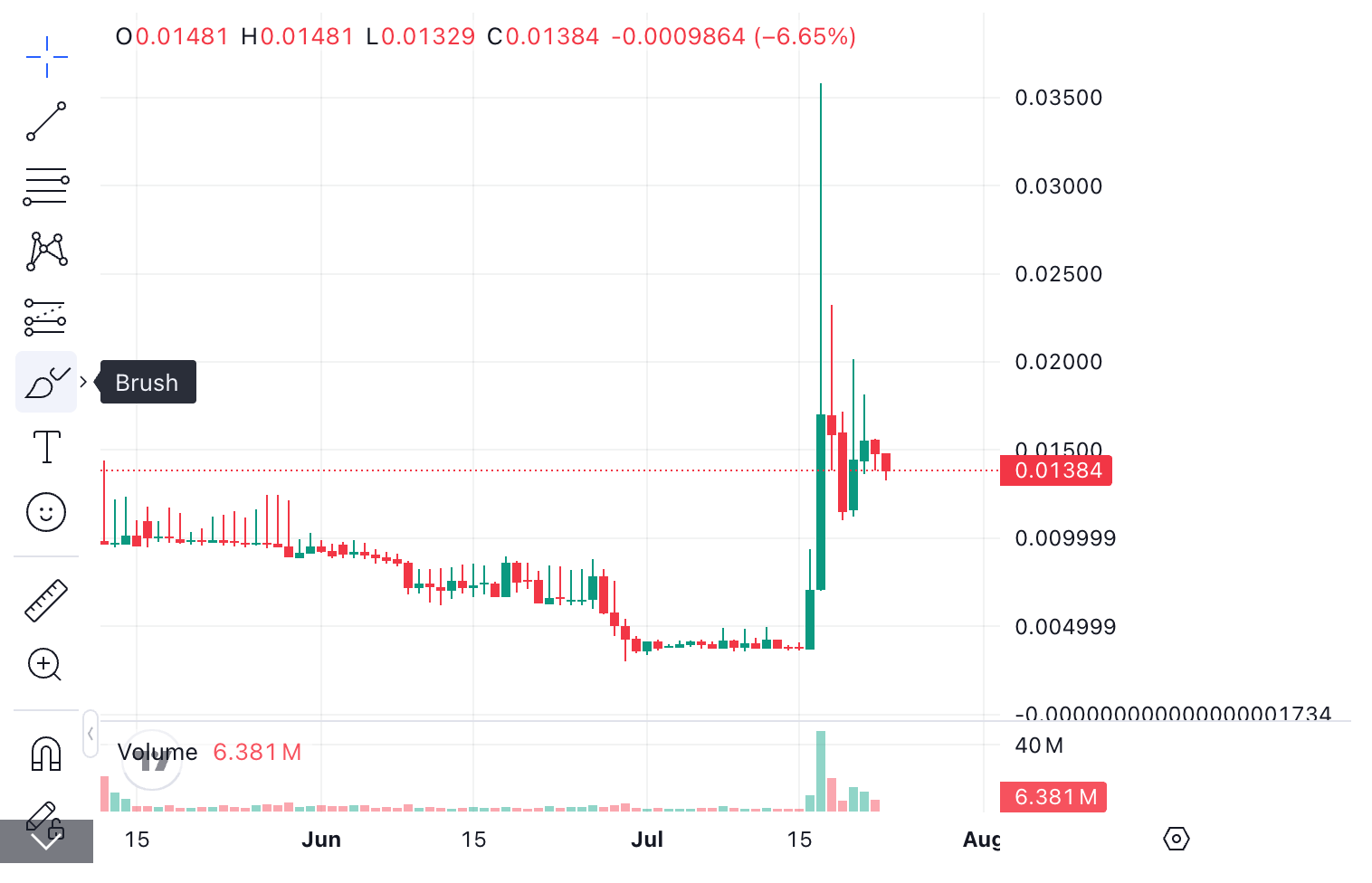
Is OXT a Good Investment?
OXT may interest investors who believe privacy-focused Web3 infrastructure can grow over time. The project has a recognizable product category, an official ecosystem, and a token with an intended role in the network.
But OXT is not a low-risk investment. Privacy-related crypto projects can face regulatory pressure, adoption friction, and market skepticism. Traditional VPN services are also easier for most users to understand. If Orchid cannot convert its technical concept into steady usage, the token’s investment case may weaken.
Key Risks Before Buying OXT
The first risk is adoption. Many users already have easy access to traditional VPNs, and a decentralized alternative must offer a clear advantage to gain mainstream traction.
The second risk is token value capture. Even if Orchid as a product remains useful, OXT holders still need to understand how much of that usage actually supports token demand.
The third risk is regulation. Privacy infrastructure can attract attention from policymakers, especially when crypto payments are involved. This does not make Orchid illegitimate, but it does add uncertainty for investors.
Conclusion
Orchid (OXT) is a decentralized VPN and privacy-infrastructure crypto project. Its goal is to let users access bandwidth through a decentralized marketplace rather than relying entirely on traditional VPN subscriptions. OXT supports the project’s economic layer and remains central to Orchid’s Web3 identity.
For investors, the important question is not whether privacy matters. It clearly does. The question is whether Orchid can turn that need into consistent usage, sustainable token demand, and a product experience that competes with centralized VPN services. Until that is clearer, OXT should be treated as a promising but high-risk Web3 privacy token.
FAQ
What is Orchid (OXT)?
Orchid is a decentralized privacy network, and OXT is the token used within the Orchid ecosystem.
Is OXT an Ethereum token?
Yes. OXT is an ERC-20 token built on Ethereum.
What is Orchid VPN?
Orchid VPN is a pay-as-you-go VPN protocol connected to Orchid’s decentralized marketplace and nanopayment ecosystem.
Is OXT a privacy coin?
OXT is better described as a privacy-infrastructure token rather than a simple privacy coin.
Is Orchid better than a normal VPN?
It depends on user needs. Orchid offers a decentralized model, while traditional VPNs are usually simpler and more familiar for beginners.
Is OXT risky?
Yes. OXT carries risks related to adoption, regulation, liquidity, token demand, and competition from traditional VPN providers.


