
LAB token is a crypto ticker that may be used by more than one project, so the first step is to identify the exact asset. In crypto, ticker symbols are not always unique. A token called LAB on one blockchain may be completely different from another LAB token listed on a decentralized exchange or market tracker.
Before analyzing LAB token fundamentals, investors should confirm the contract address, blockchain network, official website, and community channels. Without that verification, price data and project information can easily become mixed with unrelated tokens.
What Is LAB Token?
LAB token generally refers to a digital asset using the LAB ticker. Depending on the project, it may be connected to a Web3 application, decentralized finance ecosystem, community token, gaming platform, NFT product, or experimental crypto project. Because the LAB ticker can appear in different contexts, investors should not assume that every LAB listing refers to the same asset.
A safer way to define LAB is by its verified contract address and network. If a project has a legitimate ecosystem, its official materials should make the token's role clear: what users can do with it, how supply is distributed, how liquidity is managed, and whether the token has any real utility beyond speculation.
LAB Token Fundamentals: What to Check First
Good token research starts with fundamentals, not price action. A low market cap or sharp short-term move can attract attention, but those signals do not explain whether a project has lasting value. LAB investors should look for evidence that the token has a real purpose and a transparent market structure.
| Fundamental Area | Why It Matters |
|---|---|
| Verified Contract | Helps confirm that users are researching the correct LAB token. |
| Token Utility | Shows whether LAB has a function inside an app, protocol, or community. |
| Total Supply | Reveals dilution risk and the scale of token issuance. |
| Liquidity | Determines whether traders can enter and exit without heavy slippage. |
| Holder Distribution | Highlights whether ownership is concentrated in a few wallets. |
| Contract Permissions | Shows whether developers can mint, freeze, tax, blacklist, or change trading rules. |
If a LAB project cannot provide basic information about these areas, investors should treat the asset as highly speculative.
LAB Token Price and Market Data
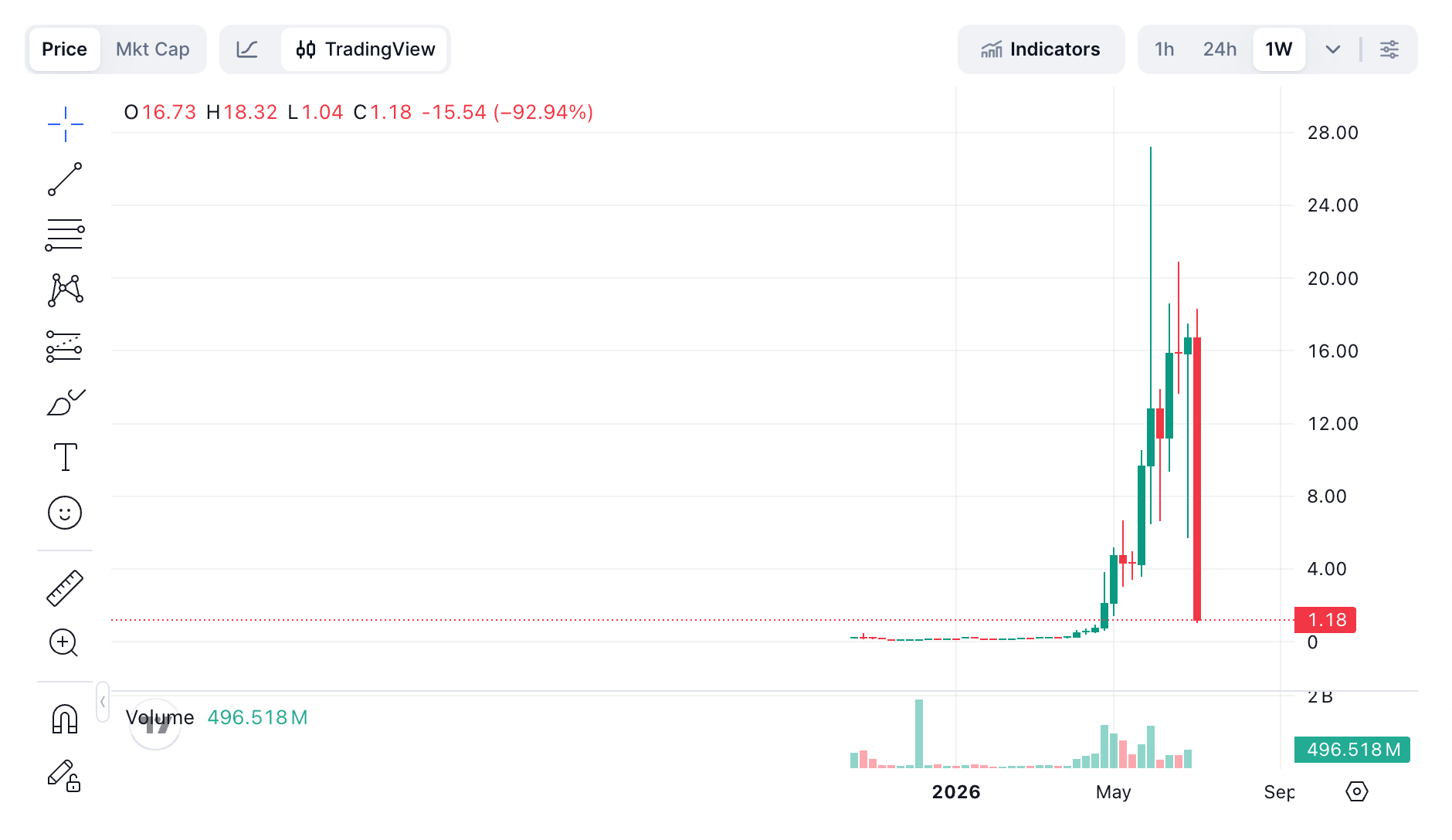
LAB token price data should be read carefully because small-cap tokens can move sharply on thin liquidity. A token may appear to rise quickly, but if trading volume is low or liquidity pools are small, the displayed price may not reflect a market that can absorb larger buy or sell orders.
When reviewing LAB market data, focus on liquidity depth, 24-hour trading volume, recent transaction activity, and whether the token can be sold normally. For decentralized tokens, it is also useful to compare the number of buyers and sellers instead of looking only at the last traded price.
Is LAB Token Legit?
LAB may be legitimate in one context and risky in another, depending on the exact contract and project behind it. The ticker alone is not enough to judge credibility. A legitimate LAB project should have transparent documentation, active communication channels, visible development progress, and clear token economics.
Red flags include copied branding, anonymous or unverifiable team claims, fake exchange listing announcements, suspiciously high promised returns, unclear liquidity ownership, and social media posts that pressure users to buy quickly. These warning signs do not automatically prove a scam, but they are reasons to slow down and verify before taking risk.
Key Risks Before Buying LAB Token
The biggest risk with LAB is confusion. If multiple tokens use the same ticker, a trader may buy the wrong asset or rely on market data from an unrelated project. This is especially common on decentralized exchanges, where anyone can create a token with a familiar name.
Another major risk is liquidity. A low-liquidity token may show attractive gains on a chart while still being difficult to exit. Holder concentration can also create sharp price swings if a small number of wallets control a large share of supply. Contract permissions should be reviewed because some tokens include rules that affect transfers, taxes, or selling behavior.
How to Research LAB Token Before Trading
Start with the verified contract address. Then compare that address across the project's official website, market trackers, block explorers, and community announcements. If those sources do not match, do not rely on the listing.
Next, examine liquidity, holders, contract permissions, and transaction history. A token with steady volume, broad ownership, transparent documentation, and active development is usually easier to evaluate than one driven only by short-term hype.
For readers who want to learn more about crypto markets, compare broader digital asset narratives, and explore platform tools, the official Tapbit registration page can be used as a general starting point. This does not mean LAB token is listed, supported, or available to buy on Tapbit. LAB should be researched independently through its verified contract address, liquidity data, holder distribution, and official project channels.
Is LAB Token a Good Investment?
LAB token may appeal to speculative traders if it has a growing community, improving liquidity, and a credible product narrative. But for long-term investors, the standard should be higher. A token needs more than a ticker and a price chart. It needs a clear reason to exist, transparent supply mechanics, and evidence that demand is not purely promotional.
If LAB lacks verified documentation, meaningful utility, or healthy liquidity, it should be treated as a high-risk speculative token rather than a core crypto holding. Investors should avoid sizing any position beyond what they can afford to lose.

Where Tapbit Fits for General Crypto Users
Users can also explore Tapbit's reward campaigns for broader platform opportunities. This is a general platform link only and should not be read as LAB token trading support.
The more practical takeaway is simple: use platforms and tools to understand the wider market, but verify each token separately before making decisions. For LAB, that means checking the exact contract first and avoiding assumptions based on the ticker alone.
Final Verdict
LAB token fundamentals depend entirely on which LAB asset is being discussed. Because ticker symbols can overlap across crypto markets, investors should verify the contract address, project documentation, liquidity, holder distribution, and contract permissions before drawing conclusions.
LAB may be worth watching if it has transparent fundamentals and active market demand. However, without verified utility, clear tokenomics, and healthy liquidity, LAB should be approached as a speculative asset with meaningful risk.
FAQ
What is LAB token?
LAB token is a crypto ticker that may refer to different digital assets depending on the blockchain and contract address. Investors should verify the exact token before researching it.
Is LAB token available on Tapbit?
This article does not present LAB as listed, supported, or available to buy on Tapbit. The Tapbit links included here are general platform links only.
How do I check LAB token fundamentals?
Check the verified contract address, official website, token utility, total supply, liquidity, holder distribution, trading volume, and contract permissions.
Is LAB token risky?
Yes. LAB can be risky if the project has unclear documentation, low liquidity, concentrated ownership, or confusing ticker overlap with other tokens.
Is LAB token a good investment?
LAB may be suitable only for users who understand speculative crypto risk. It should not be evaluated by price movement alone.


