
WAR is the kind of token name that can make traders stop scrolling. Western Asset Reserve sounds official. It sounds macro. It sounds like something connected to reserves, institutions, or some bigger financial story.
That is exactly why it needs a closer look. Despite the name, WAR should not be treated as a reserve-backed asset. It is not a tokenized Treasury product. It is not a confirmed institutional coin. It is not known to be connected to Western Asset Management or any traditional financial institution.
The better way to understand WAR is much simpler: It is a Solana meme token built around geopolitical attention, anti-dollar sentiment, and market speculation.
That does not mean no one will trade it. Meme tokens do not need deep fundamentals to move. They need attention, timing, liquidity, and a story that spreads quickly.
WAR has the story. The question is whether it has enough structure behind it to make the trade worth the risk.
The Name Does a Lot of the Work
A lot of meme tokens are honest about what they are. The name is silly, the community is loud, and nobody pretends the token is backed by anything serious.
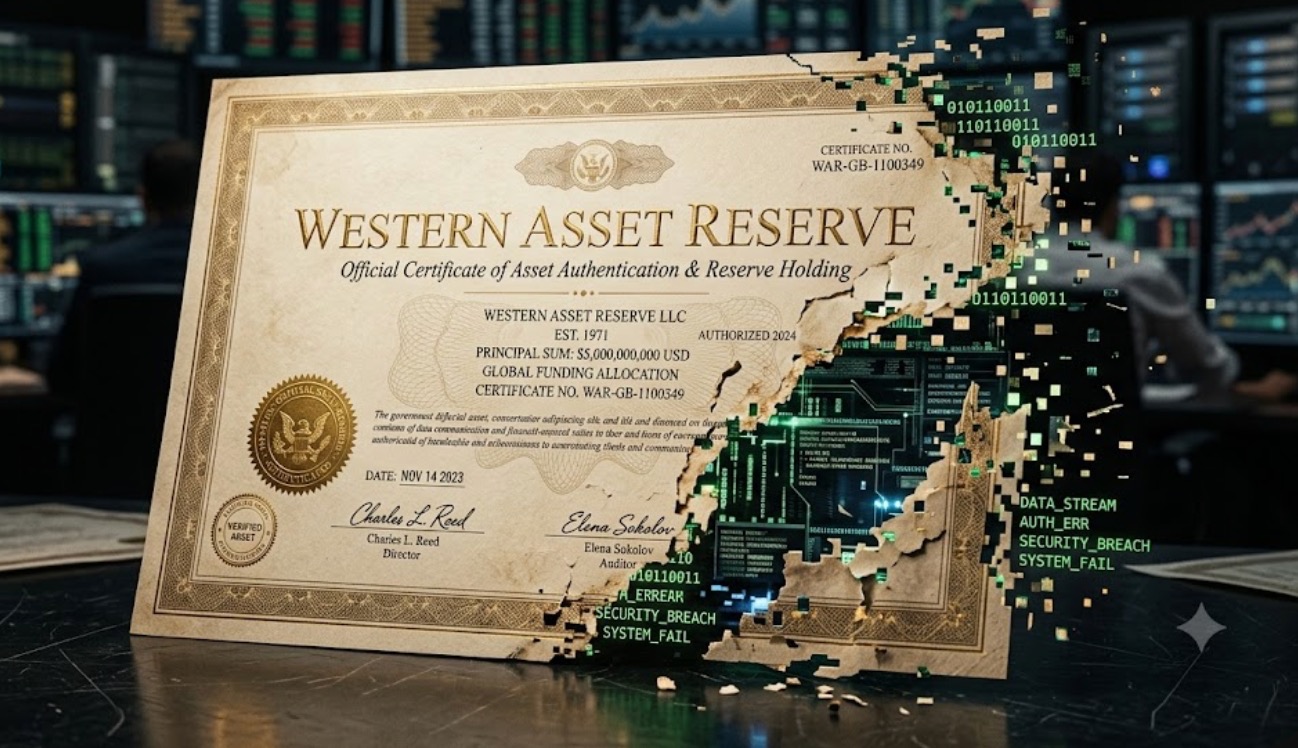
WAR is different because the branding sounds more financial. “Western Asset Reserve” gives the impression of something larger than a meme. That can attract attention, especially in a market where traders are already watching inflation, dollar weakness, geopolitical risk, and real-world asset narratives.
But a serious-sounding name is not the same as serious backing. A real reserve asset would need clear disclosures, proof of reserves, custodians, audits, redemption rules, and a legal structure users can understand. WAR does not currently fit that category.
It fits the meme-token category. That matters because meme tokens trade on attention first and fundamentals second, if fundamentals exist at all.
WAR Is a Narrative Trade
The reason WAR caught attention is not hard to understand. Crypto traders like narratives that connect to the real world. Geopolitics, war, inflation, anti-dollar sentiment, resource competition — these are big themes, and they move quickly across social media.
A token with the ticker WAR can plug directly into that attention cycle. That kind of setup can create fast moves. A few posts, a few DEX buys, a sudden jump on a chart, and the token starts to look like it is “becoming a thing.”
But traders should be careful with that feeling. Narrative can bring buyers. It can create momentum. It can turn a small token into a short-term market story. What it cannot do is guarantee liquidity, safety, or long-term value.
This is why WAR should be treated as a speculative meme trade, not a macro asset.
Liquidity Matters More Than the Chart
Small meme tokens can look better on a chart than they feel in an actual order. A price page might show a market cap. A chart might show a big move. Social media might show screenshots of gains.
But none of that answers the practical question: Can you actually enter and exit without getting punished by slippage?
That is where many meme trades break down. WAR-related data has shown differences across trackers and pools. Some sources show higher activity, while some individual pools show much thinner volume. That kind of gap is not something to ignore.
It means users need to check where the real trading is happening.
Thin liquidity creates several problems. The buy price can be worse than expected. The sell price can be worse than expected. A larger order can move the pool against the trader. And when sentiment turns, exits can become crowded very quickly.
In meme tokens, the exit door is often smaller than the entrance. That is why liquidity is not just a technical detail. It is one of the main risks.
Different Prices Across Platforms Are a Warning Sign
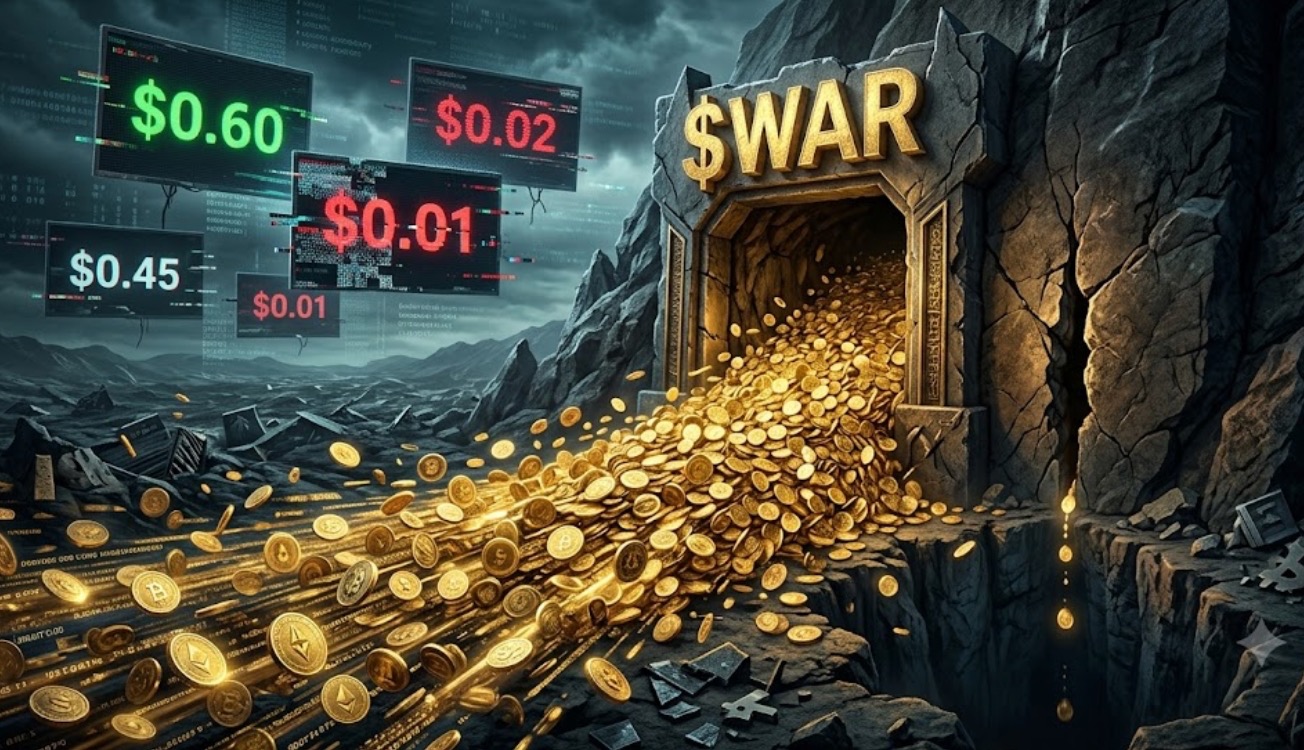
If one tracker shows WAR at one price and another shows something very different, traders should slow down.
Sometimes this happens for harmless reasons. Different platforms may track different pools. One may follow an old contract. Another may follow a new one. Some data may be delayed. Some markets may have very low liquidity, making the price easy to distort.
But for the person trading, the result is still dangerous. If the market data is unclear, your risk is unclear too. That is especially true with DEX tokens, where there may not be one clean, centralized market price. The “price” is often just the last or best available quote from a specific pool or route.
Before taking size, compare several sources. Check the active pool. Check volume. Check liquidity. Check whether the contract matches. Look at the spread and the estimated output before confirming a swap.
A confusing market is not always a bad market. But it is never a market to trade blindly.
How People Usually Trade WAR
WAR is mainly a Solana DEX token, not a widely listed centralized exchange asset.
That means the usual path is simple in theory: hold SOL or USDC, connect a Solana wallet, use a DEX or aggregator, paste the verified contract address, check the route, set slippage, and swap.
The problem is that every one of those steps carries responsibility. Users need SOL for gas. They need to avoid fake websites. They need to avoid fake token contracts. They need to understand wallet approvals. They need to review the quote before signing.
That is the trade-off with DEX access. It gives users earlier access to small tokens, but it also removes many of the guardrails that people expect from larger exchanges.
For experienced traders, that flexibility can be useful. For new users, it can be expensive.
What Tapbit Users Should Take From WAR
For Tapbit users, WAR is less important as a single token and more useful as a lesson in how meme markets work.
A token does not need a polished product to get attention. It does not need revenue. It does not need an institution behind it. Sometimes, all it needs is the right name at the right moment.
That is what makes meme tokens exciting. It is also what makes them dangerous.
Users should always check whether a token is actually supported on Tapbit before assuming it can be traded there. Some trending tokens may only exist on DEXs, and product availability can vary by market, region, and listing review
Users can visit Tapbit to follow supported crypto markets and review available trading opportunities. Existing users can log in, while new users can register here.Check where it trades.
Frequently Asked Questions (FAQ)
What is WAR crypto?
WAR, also known as Western Asset Reserve, is best understood as a Solana-based meme token built around geopolitical and anti-dollar narratives. Despite the serious-sounding name, it should not be treated as a confirmed reserve-backed asset.
Is WAR connected to Western Asset Management?
There is no confirmed evidence that WAR is connected to Western Asset Management or any traditional financial institution. Traders should not assume institutional backing based on the name alone.
Is WAR a reserve-backed asset?
No. WAR should not be treated as a reserve-backed product unless the project provides clear, verifiable proof of reserves, audits, custodians, redemption terms, and legal disclosures. Current public information points more toward a meme-token structure.


