
Tencent stock has a simple problem that is hard to solve: the company is proving that AI can help revenue, but it is spending even faster to build the infrastructure behind that growth.
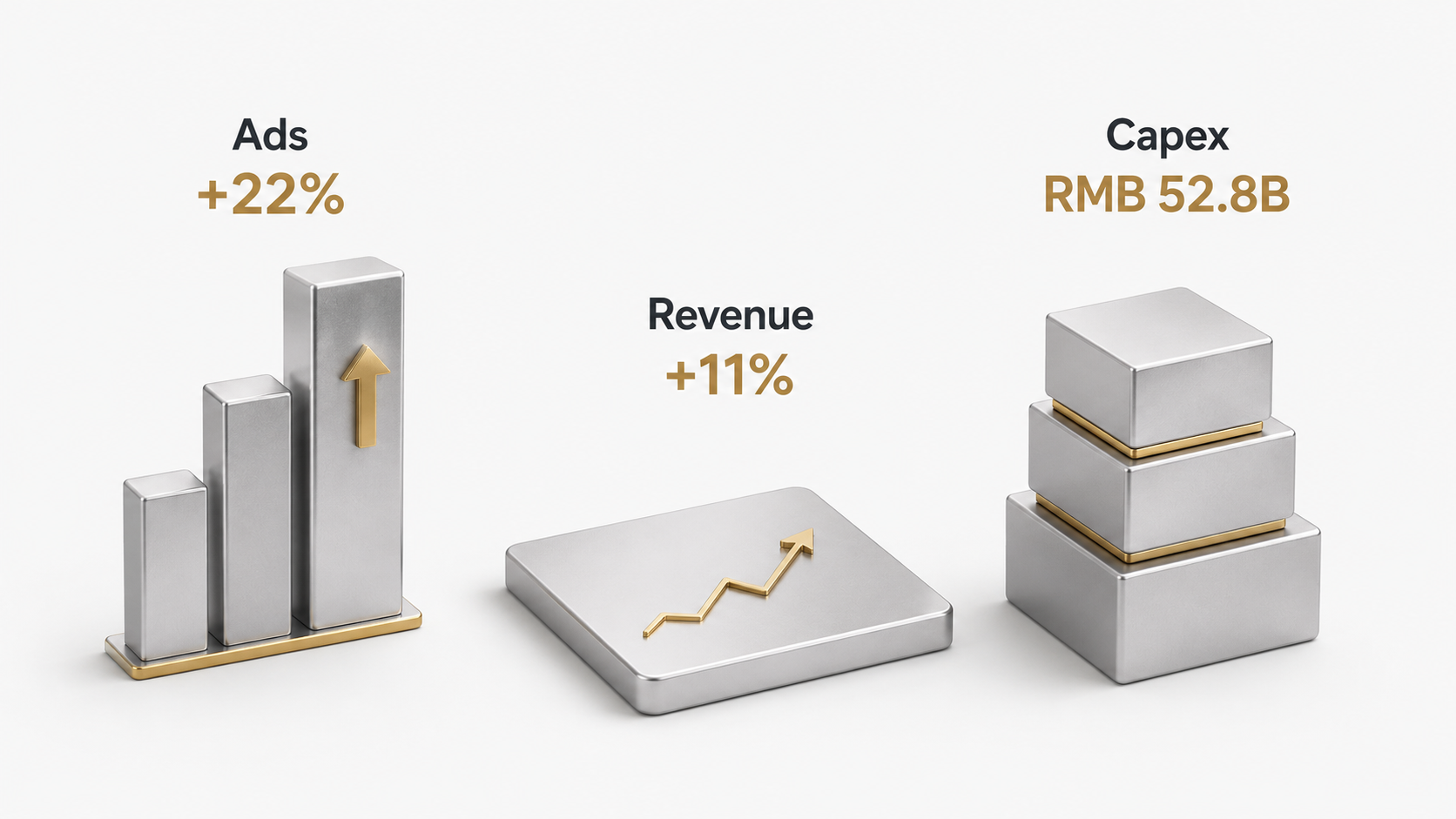
In Q2 2026, Tencent reported revenue of RMB 204.8 billion, up 11% year over year. Advertising grew strongly, games remained healthy and cloud demand improved. At the same time, capital expenditure jumped to RMB 52.8 billion. Investors are now asking whether the AI return will arrive quickly enough to justify that level of spending.
Tencent Stock After Q2 Earnings
The Q2 report was not weak. Revenue beat the simple “China tech is slowing” narrative. The problem was profit quality and spending intensity.
Reported net profit rose only about 0.7% to RMB 56 billion, below analyst expectations of roughly RMB 61.8 billion. That gap matters because investors are no longer satisfied with AI investment as a story. They want evidence that the spending converts into higher margins, stronger cash flow or durable revenue.
This is the central Tencent stock debate in 2026: AI is working, but is it working fast enough?
Tencent Q2 2026 Results in Simple Terms
| Metric | Q2 2026 | What It Means |
|---|---|---|
| Revenue | RMB 204.8B, +11% | Core business still growing at scale. |
| Marketing services | RMB 43.6B, +22% | AI is improving ad targeting and monetization. |
| Domestic games | +17% | Gaming remains a strong cash engine. |
| Fintech & business services | RMB 60.3B, +9% | Cloud and enterprise demand remain healthy. |
| Capital expenditure | RMB 52.8B | AI infrastructure spending is very high. |
| Reported net profit | RMB 56B, +0.7% | Profit growth lagged revenue growth. |
Where Is Tencent Already Making Money From AI?
AI Is Improving Advertising
Marketing services revenue rose 22% year over year. Tencent has been using AI to improve ad targeting, recommendations and conversion efficiency across its large social ecosystem.
This is one of the strongest parts of the Tencent stock bull case because advertising improvements can generate revenue without requiring Tencent to invent a completely new consumer product.
If AI helps show a more relevant ad to the right person, the technology is already earning money in the background.
AI Is Supporting Tencent Cloud
Fintech and business services grew 9%, with Tencent citing demand for cloud-based AI services. Enterprise customers need computing capacity, models and tools even if they do not build frontier AI systems themselves.
That gives Tencent a second route to monetization: it can sell AI infrastructure and services to businesses rather than relying only on consumer chatbots.
Games Still Pay the Bills
Domestic game revenue rose 17% year over year. Gaming remains important because it helps finance the expensive AI buildout.
This diversification is one reason Tencent can spend heavily without looking like a pure AI startup burning cash. Games, ads, fintech and cloud all contribute to the same financial base.
Why Did Tencent AI Spending Jump So Much?
AI requires chips, servers, networking equipment, data centers and software. Tencent's capital expenditure rose to RMB 52.8 billion in Q2 from RMB 31.9 billion in Q1.
That is a very large step-up. Buying more GPUs is easy. Making every GPU earn its dinner is the harder part.
The company is investing for capacity it expects to use over several years. The market, however, prices the stock every day. That creates tension between long-term infrastructure planning and short-term earnings pressure.
Is RMB 52.8 Billion of Capex Too Much?
There is no useful answer without looking at future revenue. High capex is not automatically bad if the assets create strong cash flow later. It becomes a problem if spending rises faster than monetization for too long.
Investors should therefore watch whether ad revenue, cloud revenue and operating cash flow begin to catch up with the capex curve.
This is similar to the wider AI debate across large technology companies. The market used to ask, “Who is spending the most?” It increasingly asks, “Who gets the best return on each dollar spent?”
Why Some Investors Are More Cautious
The profit miss gave cautious investors an easy argument: revenue growth is healthy, but AI infrastructure is putting pressure on near-term returns.
Another concern is competition. Alibaba, ByteDance and emerging Chinese AI companies are also investing heavily. Tencent cannot simply build once and stop. It may need to keep spending to stay competitive.
That could keep the Tencent stock valuation sensitive to every new capex update.
Why the Tencent Bull Case Is Still Strong
The bullish case starts with diversification. Tencent is not dependent on one AI product. It has games, advertising, WeChat, payments, cloud services and a large enterprise ecosystem.
AI can improve several of those businesses at once. Better ads can raise marketing revenue. Better recommendation systems can increase engagement. Cloud demand can monetize infrastructure. Games can use AI for development and operations.
The company also has the financial scale to invest through a cycle that would be difficult for smaller rivals.
Tencent Stock Bull, Base and Bear Scenarios
Bull case: advertising and cloud growth stay strong while capex growth slows. Investors begin to see clearer AI returns, improving the market's confidence in long-term margins.
Base case: revenue remains healthy, but capex stays elevated. Tencent stock trades more on earnings execution than on AI excitement alone.
Bear case: AI spending remains high while revenue growth slows or margins weaken. The market starts treating capex as a drag rather than an investment.
What Should Tencent Investors Watch Next?
- Marketing-services growth: Is AI still improving ad monetization?
- Cloud revenue: Are enterprise customers paying for AI capacity?
- Capex growth: Does spending begin to normalize?
- Free cash flow: Is the company converting growth into cash?
- Gaming: Does the core cash engine remain strong?
- Margins: Are infrastructure costs starting to pressure profitability?
Is Tencent Stock Available on Tapbit?
Direct Tencent stock or Tencent-linked futures support is not available based on the current Tapbit product information provided for this article. Do not use another Chinese technology contract as if it were equivalent Tencent exposure.
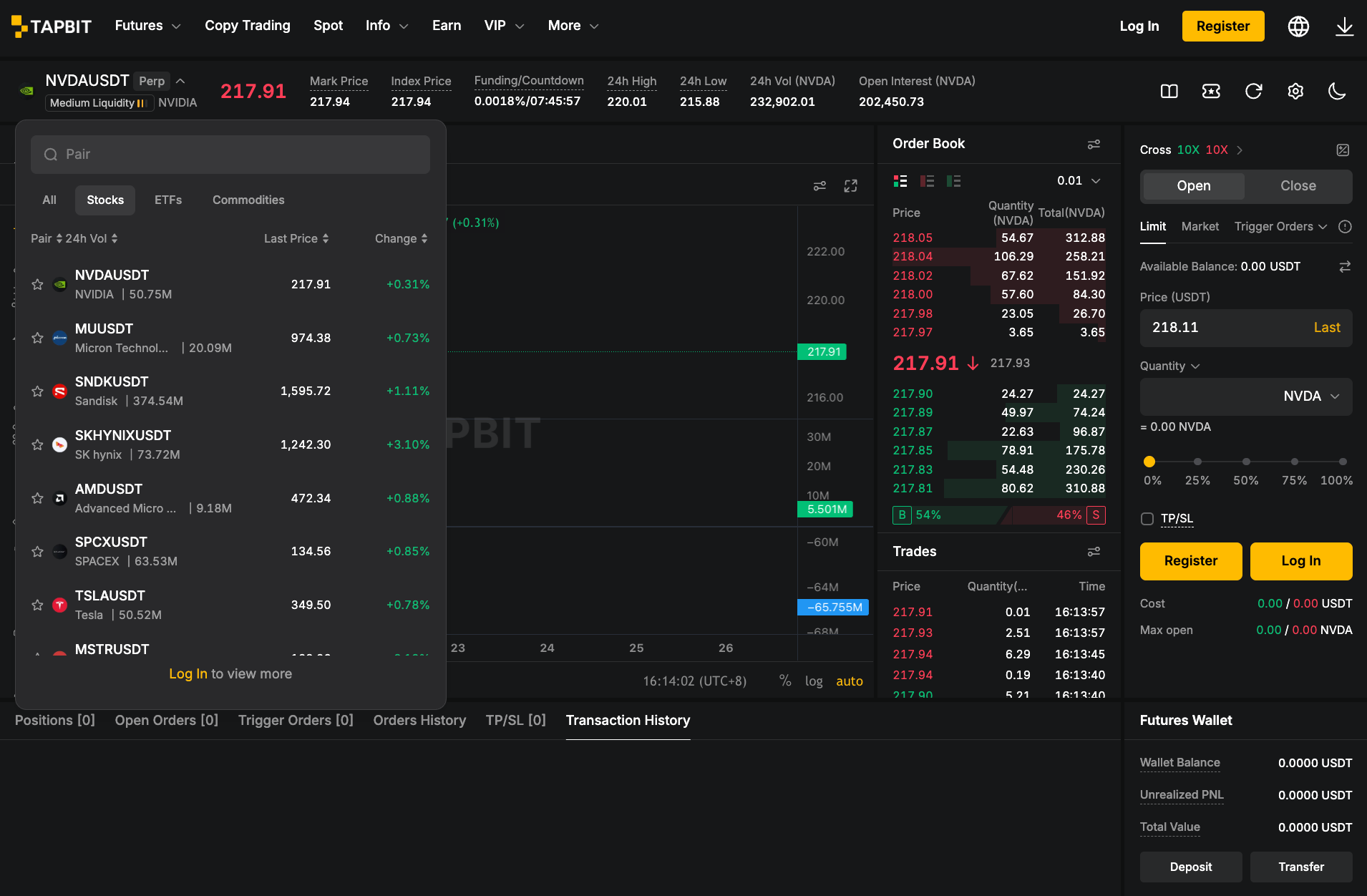
Users can create an account and check the current Tapbit markets page for supported assets. Readers interested in the broader technology theme can also review Tapbit Learn's AI chip stocks analysis.
Bottom Line
The Tencent stock story is not “AI is failing.” AI is already helping ads and cloud demand. The harder question is whether that revenue can grow fast enough to justify RMB 52.8 billion of quarterly capex. Tencent's games, advertising and WeChat ecosystem give it a strong base, but the next re-rating will depend on return on investment. Investors should watch monetization and cash flow more closely than headline AI spending.
FAQ
Why did Tencent stock face pressure after earnings?
Revenue grew strongly, but profit missed expectations and AI-related capital expenditure rose sharply.
How much did Tencent spend on capex in Q2 2026?
Tencent reported capital expenditure of RMB 52.8 billion, up from RMB 31.9 billion in Q1.
Is AI helping Tencent revenue?
Yes. AI is helping advertising efficiency and cloud demand, although the cost of building AI infrastructure is also high.
What is the Tencent stock outlook for 2026?
The outlook depends on whether ad, cloud and gaming growth can produce returns that catch up with heavy AI investment.


