
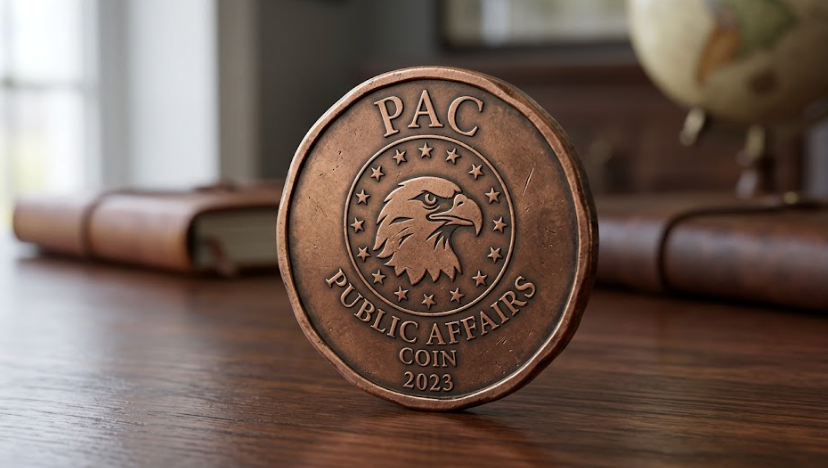
Introduction: Public Asset Control (PAC Coin) Overview
Public Asset Control (PAC Coin) is a digital asset designed to provide decentralized access and management over tokenized public assets. Unlike traditional cryptocurrencies that focus on payments or speculation, PAC Coin aims to enable community governance, asset-backed tokenization, and decentralized participation in public infrastructure projects.
The PAC ecosystem focuses on transparency, community engagement, and utility across civic, financial, and governance applications. Its mission is to allow token holders to have a say in decisions regarding public assets, creating a blockchain-based layer of accountability and efficiency.
| Feature | Description |
|---|---|
| Token Name | Public Asset Control (PAC Coin) |
| Ticker Symbol | PAC |
| Blockchain Networks | Primarily Ethereum & Binance Smart Chain |
| Circulating Supply | ~1 billion PAC (varies by network) |
| Consensus Mechanism | Proof-of-Stake (PoS) |
| Primary Use | Governance, staking, asset-backed voting |
| Market Position | Low-to-mid cap governance crypto |
How Public Asset Control (PAC Coin) Works
PAC Coin operates as a governance and utility token that integrates with blockchain-based public asset projects. Key features include:
- Governance Voting: Token holders can vote on proposals affecting public assets, infrastructure allocation, and community initiatives.
- Asset-Backed Tokenization: PAC Coin can represent fractional ownership of tokenized public resources or projects, linking blockchain to real-world governance.
- Staking and Incentives: Users stake PAC Coin to earn rewards while supporting network security and governance participation.
- Community Engagement: PAC incentivizes community members to propose, review, and vote on public projects, creating decentralized oversight.
Public Asset Control (PAC Coin) Market Performance 2026
PAC Coin is positioned as a niche governance and utility token with growing adoption among civic blockchain projects. Its market performance is as follows:
| Metric | Value |
|---|---|
| Market Cap | $740M USD |
| 24h Trading Volume | $15M USD |
| Circulating Supply | 1 billion PAC |
| Price Change (1M) | +12% |
Market Dynamics:
- PAC Coin’s value is driven primarily by governance adoption, staking rewards, and the success of public asset initiatives.
- The token is less volatile than meme coins or low-cap altcoins but remains subject to speculative trading during governance events.
- Partnerships with civic-tech blockchain projects can influence short-term price movements.
Advantages and Risks of PAC Coin
Advantages:
- Real-world utility in public asset management and governance
- Staking rewards incentivize long-term holding
- Community-driven oversight encourages transparency and participation
Risks:
- Niche adoption may limit liquidity
- Regulatory uncertainty around tokenized public assets
- Price influenced by governance participation rather than speculative demand
- Market still developing; requires broader adoption for mainstream relevance
Public Asset Control (PAC Coin) Use Cases
- Civic Governance Voting: Allowing stakeholders to vote on infrastructure projects or public initiatives.
- Tokenized Public Assets: Representing fractional ownership in community-managed resources.
- Staking Programs: Supporting the network while earning passive rewards.
- Transparency and Oversight: Enabling blockchain-based auditing of public asset allocation.
FAQ: Public Asset Control (PAC Coin)
What is Public Asset Control (PAC Coin)?
Public Asset Control (PAC Coin) is a governance-focused cryptocurrency that enables decentralized management and voting over tokenized public assets.
How does PAC Coin work?
PAC Coin integrates staking, governance voting, and asset tokenization to empower community-led public asset projects.
Is PAC Coin a good investment in 2026?
PAC Coin is a moderate-risk, niche token suitable for investors interested in civic blockchain applications and long-term governance participation.
Where can I buy PAC Coin?
PAC Coin is primarily available on Ethereum and BSC-compatible exchanges with governance and staking features.
Can PAC Coin be used for real-world governance?
Yes, PAC Coin’s primary utility is in blockchain-enabled civic governance and asset-backed community projects.
Does PAC Coin have future potential?
Its growth depends on adoption in public governance, civic-tech partnerships, and the success of tokenized public asset initiatives.


