

Oklo is back in the spotlight. The advanced nuclear outfit just hit a real technical milestone—and dropped its latest quarterly numbers at the same time.
The big one: first criticality at the Groves Isotope Test Reactor. In plain English, they actually pulled off a controlled, self-sustaining chain reaction. For investors, that’s hard proof that Oklo can take a reactor from paperwork and permits to something that physically runs.
Does that mean the Aurora commercial plants are making power—or money—already? No. Not yet. The real test is still ahead: regulatory green lights, construction execution, fuel supply, and years of project timelines.
So for anyone watching OKLO, the conversation has shifted. It’s no longer “do they have a bold plan?” It’s “how fast can they turn that plan into an actual business?”
What Does Oklo Do?
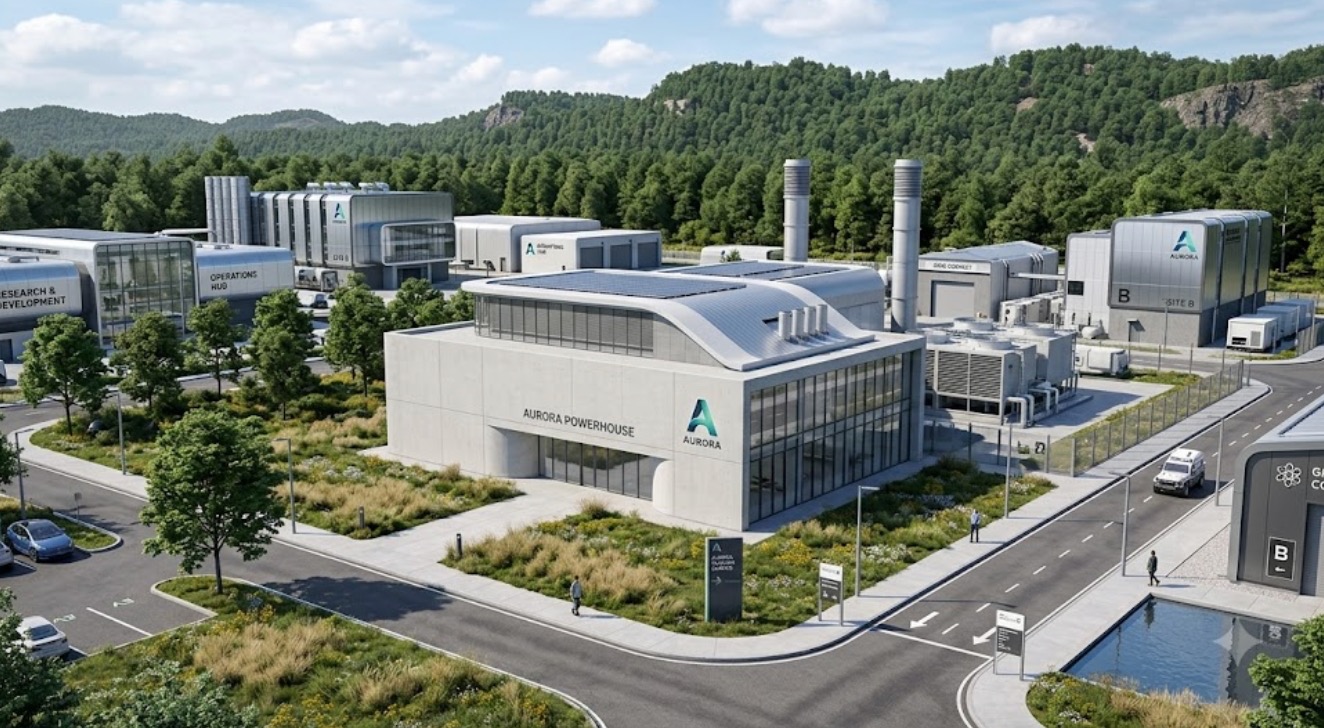
Oklo is an advanced nuclear technology company listed on the New York Stock Exchange under the ticker OKLO. Its main product is the Aurora Powerhouse, a compact fast-fission reactor designed to provide reliable electricity for data centers, industrial facilities, military sites and other customers that require continuous power.
The company intends to build, own and operate its power plants. Rather than relying mainly on reactor sales, Oklo plans to generate recurring revenue by selling electricity through long-term power purchase agreements.
Its wider strategy also includes nuclear fuel production, fuel recycling and radioisotopes used in medicine, industry, research and space applications. Recent acquisitions have added engineering and manufacturing capabilities, giving Oklo more direct control over parts of its supply chain.
This combination makes OKLO more than a simple small modular reactor stock. Investors are also treating it as an AI infrastructure, nuclear fuel and domestic manufacturing story.
Why the Groves Reactor Milestone Matters
Oklo announced in early August that its Groves Isotope Test Reactor had achieved first criticality. In nuclear engineering, criticality means that the reactor has established a controlled chain reaction capable of sustaining itself.
For Oklo, this provides a practical demonstration of its ability to design, construct and operate a nuclear system. The project moved from groundbreaking to startup authorization and first criticality in less than a year.
The milestone also gives the company operating experience that may support future reactor and isotope projects. It addresses one of the doubts that has followed early-stage nuclear companies: whether they can progress beyond presentations, regulatory documents and commercial agreements.
However, the scale and purpose of Groves need to be understood correctly.
The U.S. Department of Energy describes Groves-1 as a zero-power critical assembly with a maximum power level of only 100 watts. It was built to test reactor physics, demonstrate safety and develop experience for future isotope-production facilities. It is not a commercial power plant supplying electricity to the grid.
Groves therefore strengthens Oklo’s technical credibility, but it does not complete the company’s commercial case.
Oklo’s Latest Financial Picture
Oklo’s second-quarter update showed a company beginning to record modest revenue while spending more heavily on development.
The company reported approximately $1.21 million in quarterly revenue. This was a notable change for a business that had previously been largely pre-revenue, although the amount remains small relative to Oklo’s valuation and planned capital spending.
The quarter also produced a net loss of approximately $48.5 million, while cash and marketable securities stood at roughly $3 billion. Oklo expects 2026 spending on property, equipment and project development to reach approximately $400 million to $500 million.
The large cash position gives Oklo room to fund engineering, construction and supply-chain work. It does not remove execution risk. Advanced nuclear development is expensive, and commercial power revenue may still be years away.
The balance sheet has also been strengthened through stock issuance. During the first quarter, Oklo raised approximately $1.18 billion through an at-the-market equity program. Outstanding shares increased from around 160.5 million at the end of 2025 to approximately 173.9 million at the end of March.
For shareholders, that creates a trade-off. Equity financing reduces immediate balance-sheet pressure, but it also spreads future value across a larger number of shares.
AI Data Centers Are Driving the Nuclear Story
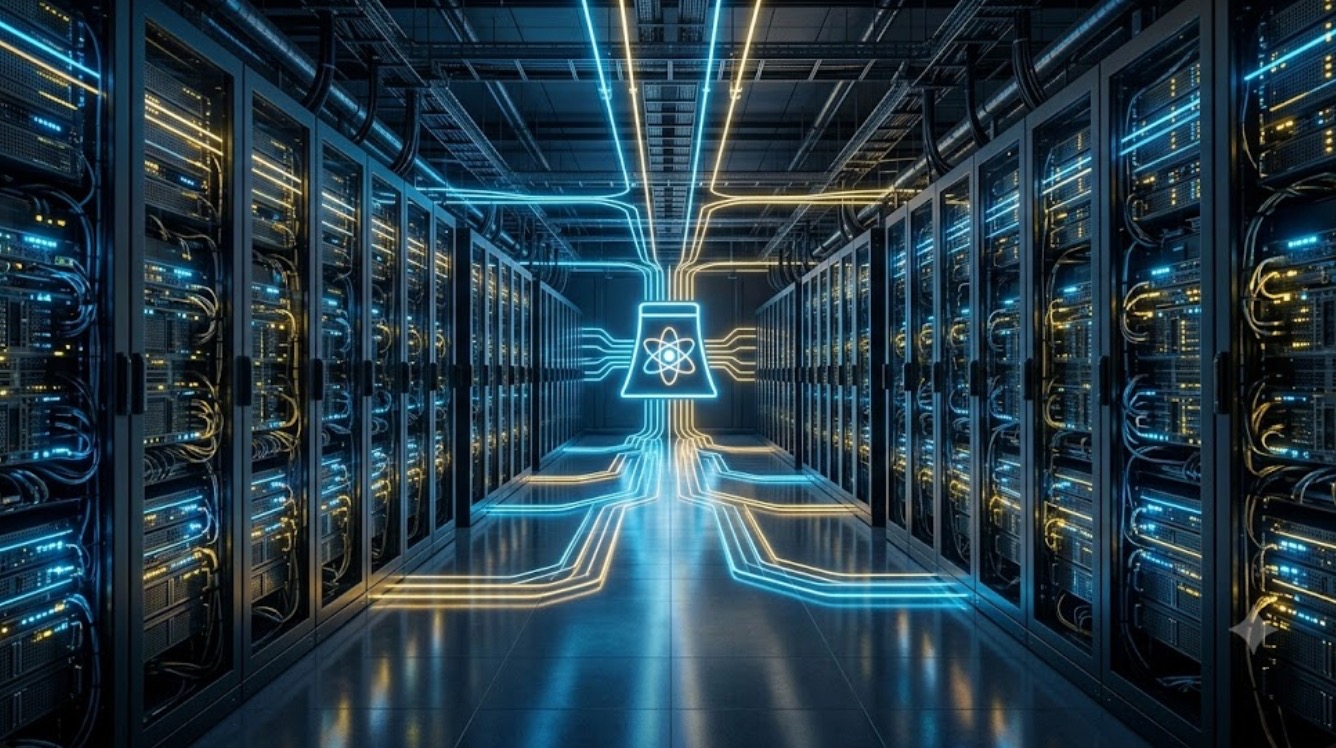
The longer-term case for Oklo is closely tied to electricity demand from artificial intelligence.
Training and operating large AI models require substantial computing capacity. Data centers need electricity around the clock, and grid connections are becoming a constraint in several major technology markets. Wind and solar can contribute to the energy mix, but data-center operators also want dependable power that is available regardless of weather conditions.
That has brought nuclear energy back into discussions between technology companies, utilities and policymakers.
In January 2026, Oklo and Meta announced an agreement supporting the development of a nuclear power campus in Pike County, Ohio. The project could eventually reach 1.2 gigawatts and support Meta’s regional data-center operations.
Meta’s commitment allows Oklo to begin securing fuel and advancing early development. The first phase is targeted to come online as early as 2030, with the wider campus potentially expanding through 2034.
This is meaningful commercial support, but it should not be treated as current electricity revenue. The project still requires development work, construction and the necessary regulatory approvals.
Oklo has also announced technical collaboration with NVIDIA and Los Alamos National Laboratory on nuclear fuel validation for AI infrastructure. That collaboration connects the company to the AI power narrative, although it is not the same as a completed power purchase agreement or an operating data center supplied by an Oklo reactor.
Where Does Aurora Stand With Regulators?
Regulation remains one of the most important factors for OKLO stock.
Oklo’s first Aurora combined license application was denied by the U.S. Nuclear Regulatory Commission in 2022 because the application did not contain enough information. The denial was issued without prejudice, allowing the company to revise its work and return with a new application.
Since then, Oklo has continued meeting with regulators and submitting technical reports. The NRC currently lists Aurora under pre-application activities, including reviews related to design criteria, operator licensing, staffing and safety analysis.
The proposed commercial Aurora reactors are liquid-metal-cooled fast reactors with a maximum design output of 75 megawatts of electricity. They have not yet received a commercial operating license.
Recent regulatory progress is encouraging, but the remaining process is still substantial. For investors, the timing and outcome of future license applications may matter more than any single quarterly earnings figure.
Why OKLO Stock Remains Volatile
OKLO stock is difficult to value using conventional earnings measures. Current revenue is small, losses are continuing and the commercial power business has not started operating.
The share price therefore reflects expectations about what Oklo could become.
Investors are assigning value to future Aurora deployments, the Meta project, isotope production, fuel services and the broader need for reliable AI data-center power. Changes in those expectations can produce sharp moves even when the company’s current financial position has changed only slightly.
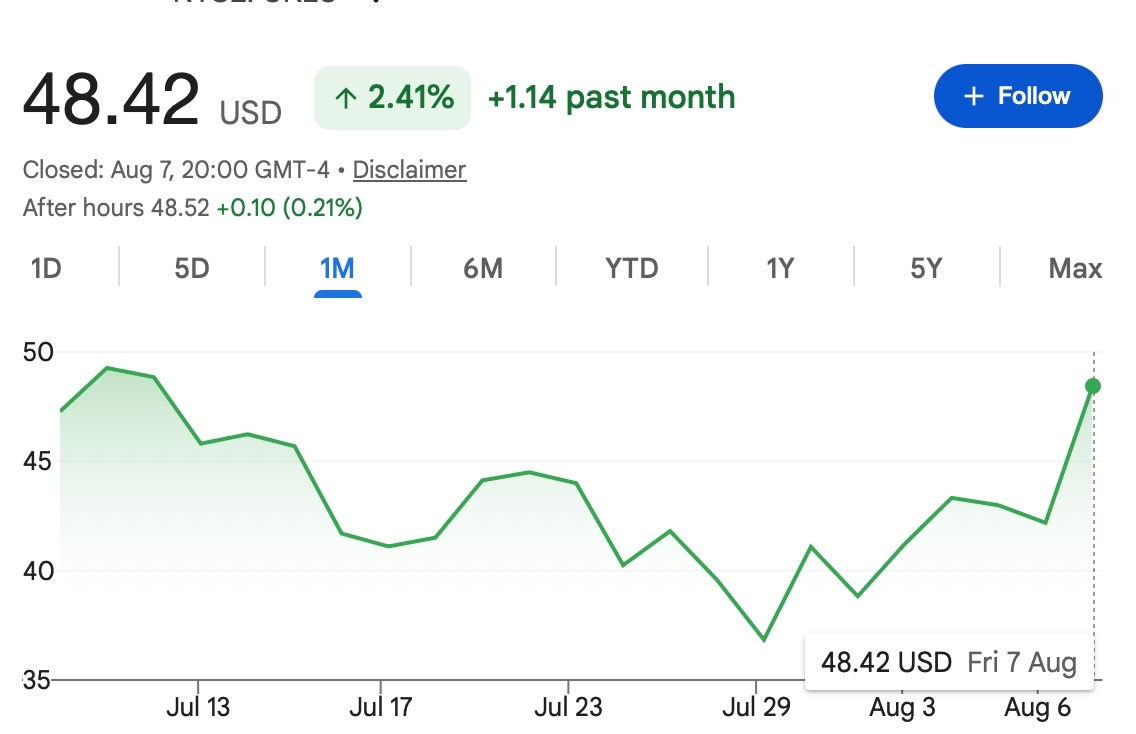
Recent trading illustrates that sensitivity. OKLO closed near $52 at the end of June before falling below $40 in late July. The Groves announcement and second-quarter update then gave investors fresh reasons to reassess the company’s technical progress and financial runway.
This volatility is likely to continue. Oklo is moving closer to commercial execution, but much of the stock’s value still depends on milestones that have not yet been completed.
What Could Support OKLO Stock?
Further technical progress at Groves would help Oklo build operating experience and advance its isotope plans. Investors will also watch for progress on Aurora construction at Idaho National Laboratory, a clearer regulatory schedule and additional customer agreements.
Nuclear fuel availability is another important area. Fast reactors require specialized fuel, including high-assay low-enriched uranium. Oklo has announced partnerships and planned cooperation with companies such as Centrus Energy and Standard Nuclear, but future deployments will require a dependable supply at commercially workable prices.
Clearer evidence of project economics would also strengthen the investment case. Investors eventually need to know how much an Aurora unit will cost, how long it will take to build and what returns Oklo can earn under its power contracts.
Conclusion
Oklo has crossed an important line. With the Groves reactor achieving first criticality, the company can now point to an operating nuclear system rather than relying entirely on plans and partnerships.
That makes the latest milestone significant. It does not make the commercial story complete.
The next phase will depend on Aurora licensing, construction progress, fuel availability and the conversion of customer agreements into operating power projects. Meta’s support shows that demand for nuclear-powered AI infrastructure is real, while Oklo’s cash position gives the company resources to pursue that opportunity.
For traders following global technology and energy markets on Tapbit, OKLO offers exposure to one of the market’s most closely watched themes: the search for reliable power behind the AI economy. It also carries the risks expected from an early-stage nuclear company whose valuation is based largely on future execution.
Users can register with Tapbit or log in to an existing account to explore available markets.
Frequently Asked Questions
What is Oklo?
Oklo is an advanced nuclear technology company listed on the New York Stock Exchange under the ticker OKLO. It is developing compact fast-fission reactors, nuclear fuel services, fuel recycling capabilities and radioisotope production.
Why is OKLO stock receiving attention?
Interest increased after Oklo’s Groves Isotope Test Reactor achieved first criticality. The company also released its second-quarter update shortly afterward. Investors are watching whether these developments can bring Oklo closer to commercial reactor deployment.
What does first criticality mean?
First criticality occurs when a reactor establishes a controlled, self-sustaining nuclear chain reaction. It is an important technical milestone because it demonstrates that the reactor core can operate as designed under controlled conditions.


