
Donald Trump’s expanding involvement in cryptocurrency is once again drawing public attention after John Oliver devoted the July 26 episode of Last Week Tonight to the Trump family’s digital asset businesses.
Oliver focused on the Official Trump memecoin, World Liberty Financial, the WLFI governance token and the USD1 stablecoin. His central criticism was not simply that these assets are speculative. He argued that a sitting president can benefit financially from crypto businesses while his administration shapes the rules governing the same industry.
The episode is political commentary, not a legal ruling. Still, recently published financial disclosures, regulatory documents and congressional negotiations have given the debate a substantial factual foundation.
For readers following political tokens and regulatory developments through Tapbit, the story offers a broader lesson: price performance is only one part of crypto risk. Ownership structures, revenue arrangements, government policy and conflicts of interest can also shape an asset’s long-term outlook.
Why Did John Oliver Cover Trump’s Crypto Businesses?
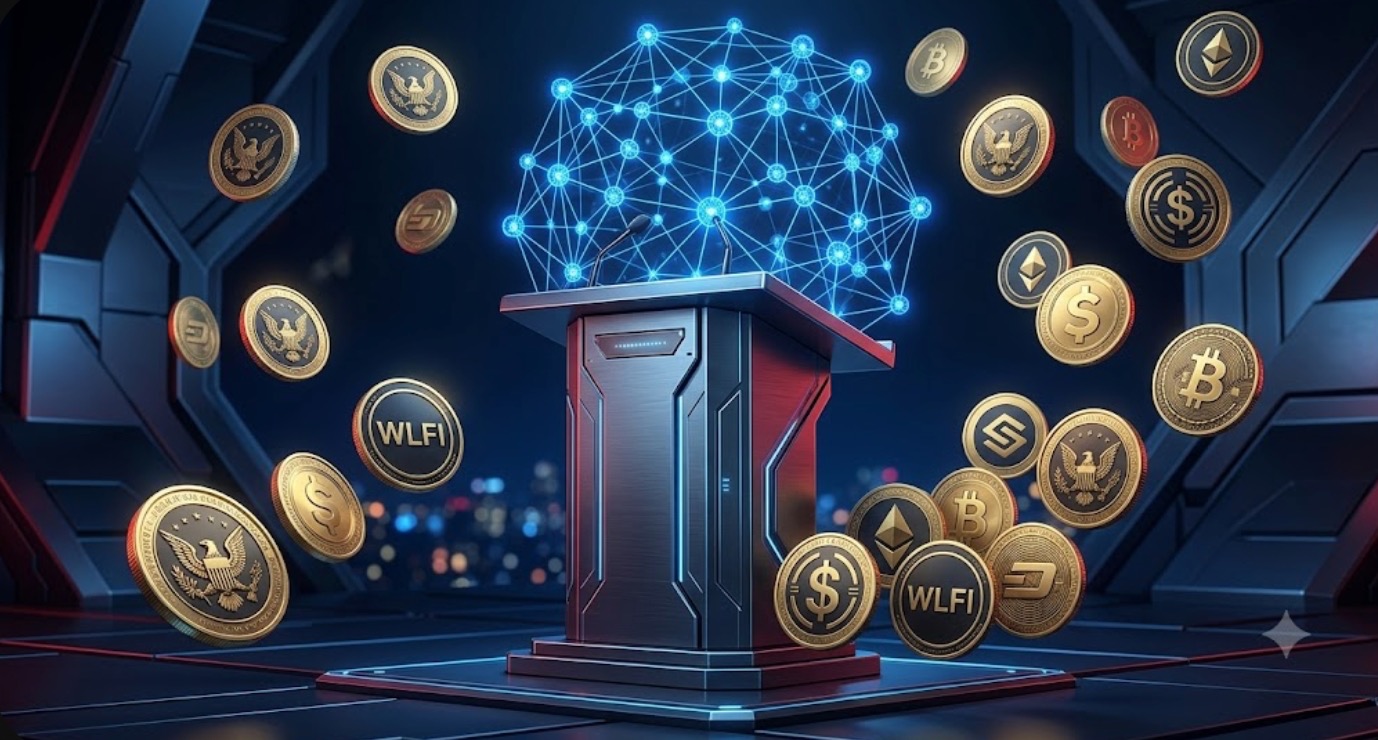
Trump was once publicly critical of Bitcoin, describing it as a scam in 2021. His position changed as cryptocurrency became an important source of political support and private business revenue.
Since returning to office, Trump has supported policies intended to make the United States more welcoming to digital asset companies. His administration has promoted a Strategic Bitcoin Reserve, backed market-structure legislation and overseen a more accommodating regulatory approach.
At the same time, businesses connected to the Trump family have launched or promoted a growing range of digital asset products.
These include:
-
The Official Trump memecoin.
-
The Melania memecoin.
-
World Liberty Financial.
-
The WLFI governance token.
-
The USD1 stablecoin.
-
Bitcoin mining and digital asset treasury ventures.
-
Trump-branded NFT collections.
For Oliver, the concern is the combination of public authority and private financial exposure. A policy decision does not need to be illegal to raise questions when the person making it may benefit from the industry affected by that decision.
What Do Trump’s Financial Disclosures Show?
On June 30, 2026, the U.S. Office of Government Ethics released Trump’s certified annual financial disclosure for 2025.
Reuters calculated that the filing showed more than $1.4 billion in crypto-related income. Its analysis included approximately $800 million connected to World Liberty Financial and about $635 million related to the Trump memecoin business.
The World Liberty amount reportedly included more than $520 million from token sales and more than $250 million from the sale of interests in the business.
The Associated Press produced a lower estimate of nearly $1.2 billion from Trump’s crypto businesses. The difference reflects how the lengthy disclosure is interpreted and which entries are classified as crypto-related.
These figures should not automatically be described as net profit. The disclosure contains income, revenue and transaction information, but does not provide a complete set of audited business expenses. A careful description is that Trump reported more than $1 billion in crypto-related income or business receipts during 2025.
The White House says the president does not manage these businesses and that his assets are held in a trust overseen by his children. Reuters notes, however, that Trump remains a beneficiary of the trust receiving the income.
Why Is the Official Trump Memecoin Controversial?
The Official Trump token launched shortly before Trump’s January 2025 inauguration. Like most memecoins, it does not represent ownership in a productive company or provide a direct claim on future earnings.
Its value depends largely on Trump’s name, political attention, market liquidity and speculation.
The token initially attracted intense demand and reached a fully diluted valuation of approximately $50 billion. Its price later declined sharply from its peak.
John Oliver described the project as resembling a pump-and-dump scheme. That is his characterization, not a finding made by a court or regulator.
The underlying concern is more specific: investors remain exposed to the token’s market price, while businesses connected to its creation may generate licensing income, trading fees and other revenue regardless of whether the token retains its value.
Trump’s financial disclosure reported approximately $635 million connected to the memecoin business. Meanwhile, many buyers who entered near the token’s early peak experienced substantial losses.
Why Did the Trump Token Dinner Attract Scrutiny?
Trump offered an exclusive dinner to leading holders of the Official Trump token. The promotion encouraged participants to purchase and retain the asset to qualify.
The token rose after the dinner was announced, demonstrating how political access and market demand could become connected.
The event did not prove that anyone purchased a policy favor. It did, however, raise an unusual question: should people be able to gain access to a sitting president by buying an asset that benefits businesses associated with his family?
This is where a political memecoin differs from an ordinary celebrity token. The person behind the brand is not only a public figure but also the head of the U.S. executive branch.
What Is World Liberty Financial?
World Liberty Financial is a Trump family-linked crypto business offering the WLFI governance token and the USD1 stablecoin.
WLFI holders receive governance rights but do not automatically receive company ownership or a share of its profits. That distinction is important because buyers may fund the project without participating in the same revenue streams as its owners and related entities.
World Liberty Financial has become a major source of reported income for the Trump family. Reuters estimated that Trump’s 2025 disclosure included almost $800 million linked to the business.
The company’s growth also shows why the Trump crypto debate extends beyond memecoins. World Liberty operates products with potential roles in payments, stablecoin settlement and decentralized finance, bringing it closer to the parts of the industry affected by federal legislation and regulatory decisions.
What Is USD1 and Why Did the MGX Deal Matter?
USD1 is a dollar-pegged stablecoin issued by World Liberty Financial. The token drew international attention when Abu Dhabi-backed investment company MGX selected it to settle a $2 billion investment in Binance. A transaction of that size can increase stablecoin circulation and generate income associated with the reserves supporting the token.
The controversy comes from the participants involved. A foreign state-backed company used a financial product connected to the U.S. president’s family while the American government continued making decisions affecting the UAE, Binance and the wider crypto industry.
The timing creates legitimate transparency questions, but it does not establish that the transaction purchased a U.S. policy decision. No public evidence has demonstrated a direct exchange between the MGX transaction and a specific government action.
What Happened Between Justin Sun and the SEC?
Justin Sun, the founder of Tron, was one of the largest publicly identified buyers of World Liberty Financial tokens. Reports indicate that he invested $75 million in WLFI and additional amounts in other Trump-related crypto assets.
At the time, Sun and several associated entities were defendants in an SEC civil enforcement case involving alleged wash trading and securities-law violations.
The SEC paused the case in 2025. In March 2026, it submitted a proposed settlement under which Rainberry agreed to pay a $10 million civil penalty without admitting or denying the relevant allegation. The SEC also agreed to dismiss its remaining claims against Rainberry and its claims against Sun and other Tron defendants.
The official SEC document describes the resolution as an exercise of enforcement discretion. It does not state that Sun’s World Liberty investment influenced the outcome.
Sun has denied that his investments were connected to the SEC proceedings. World Liberty Financial and the White House have also rejected claims of an improper exchange.
The proximity between the investment and the regulatory outcome is why the matter attracts scrutiny. It is not proof of a quid pro quo.
How Much Did Investors Lose?
Reuters examined four major Trump family-linked crypto ventures and estimated that the family and associated entities generated approximately $2.3 billion while outside investors lost a similar amount through April 2026.
The projects included World Liberty Financial, the Trump memecoin, American Bitcoin and AI Financial.
The investor-loss estimate included paper losses. In other words, it counted declines in the market value of holdings that investors may not yet have sold. It should not be presented as an official government calculation or a complete total of realized losses.
Nevertheless, the analysis illustrates an important structural difference. Founders and licensors can receive token-sale revenue, fees and ownership interests early, while public investors remain exposed to the future market value of the assets.
How Is the Debate Affecting the CLARITY Act?
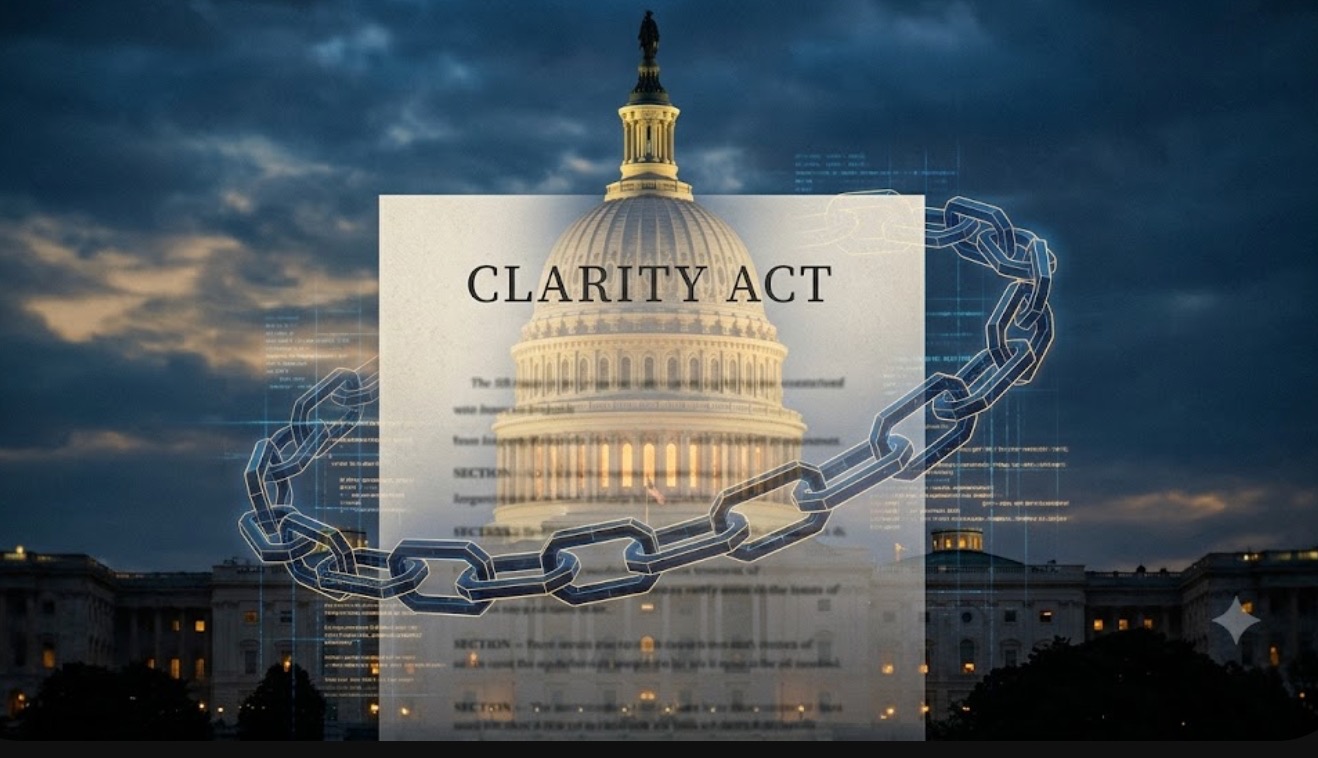
The controversy is now influencing U.S. crypto legislation.
A revised Senate draft includes ethics restrictions intended to limit senior government officials from issuing, sponsoring or profiting from certain digital assets. The White House says the proposed language is extensive. Democratic lawmakers and consumer groups argue that it contains gaps and may not fully address existing Trump family ventures.
On July 27, the Senate postponed further consideration of the bill as lawmakers continued negotiating the ethics section and other unresolved provisions.
This creates an unusual situation. Trump’s support has helped bring crypto legislation closer to the center of U.S. policy, but his family’s financial involvement has also become one of the largest obstacles to passing that legislation.
What Does This Mean for Crypto Investors?
Political attention can create demand quickly, but it can disappear just as fast. A token associated with a famous person may trade primarily on headlines rather than measurable economic activity.
Token buyers should also examine how value moves through a project. Governance rights are not the same as equity ownership, and token appreciation is not the same as company revenue.
Investors should review:
-
Insider and treasury token allocations.
-
Unlock schedules.
-
Licensing and fee arrangements.
-
Governance rights.
-
Stablecoin reserve structures.
-
Related-party transactions.
-
Regulatory investigations.
-
Liquidity concentration.
-
Dependence on political access or personal branding.
A project can generate substantial revenue for its founders without delivering similar results to token holders.
Conclusion
John Oliver’s criticism has returned Trump’s crypto businesses to the spotlight, but the issue extends beyond one television episode.
Official disclosures confirm that cryptocurrency became a major source of income for Trump during 2025. Reuters and AP analyses show that the amount exceeded $1 billion, although estimates differ and should not be confused with audited net profit.
The Trump memecoin, World Liberty Financial, USD1 and investments from figures such as Justin Sun raise genuine questions about investor protection and government ethics. At the same time, there is no public proof that a specific crypto investment purchased a specific regulatory or foreign-policy decision.
That distinction matters.
The strongest conclusion is not that illegal conduct has already been established. It is that the overlap between presidential authority and family-linked crypto revenue has created a transparency problem that markets, regulators and lawmakers can no longer treat as a side issue.
Users can log in to Tapbit to monitor available digital asset markets or register for a Tapbit account.
Frequently Asked Questions
Why are Trump’s crypto businesses back in focus?
John Oliver covered the Trump family’s cryptocurrency ventures during the July 26, 2026 episode of Last Week Tonight. The episode followed the release of Trump’s annual financial disclosure and renewed debate over government ethics provisions in the CLARITY Act.
What crypto businesses are connected to the Trump family?
The main ventures include the Official Trump memecoin, World Liberty Financial, the WLFI governance token, the USD1 stablecoin, Trump-branded NFTs and family-linked Bitcoin mining and digital asset treasury businesses.
How much crypto-related income did Trump report?
Reuters calculated that Trump’s 2025 financial disclosure showed more than $1.4 billion in crypto-related income. The Associated Press estimated nearly $1.2 billion. The difference reflects how individual disclosure entries were categorized.
These amounts should not automatically be described as net profit because the filing does not provide complete audited expenses for each business.


