Retail Crypto Investors' Anxiety: From Dreaming of Riches to Just Hoping to Lose Less, Security Fears Add to the Burden
 Tapbit Wire
Written by: Aaliyah Ahmed, The Times
Binance was hacked last week. With the world's largest crypto exchange hit, investors have begun to worry about the future of their crypto assets.
I Put in £5,000 to Buy XRP, and I Regret It
Max Daniels, 33, works in communications, and he is torn over whether to cut his losses now. He put a total of £5,000 into cryptocurrencies, and last week's hack of Binance, the world's largest exchange, only deepened his concerns.
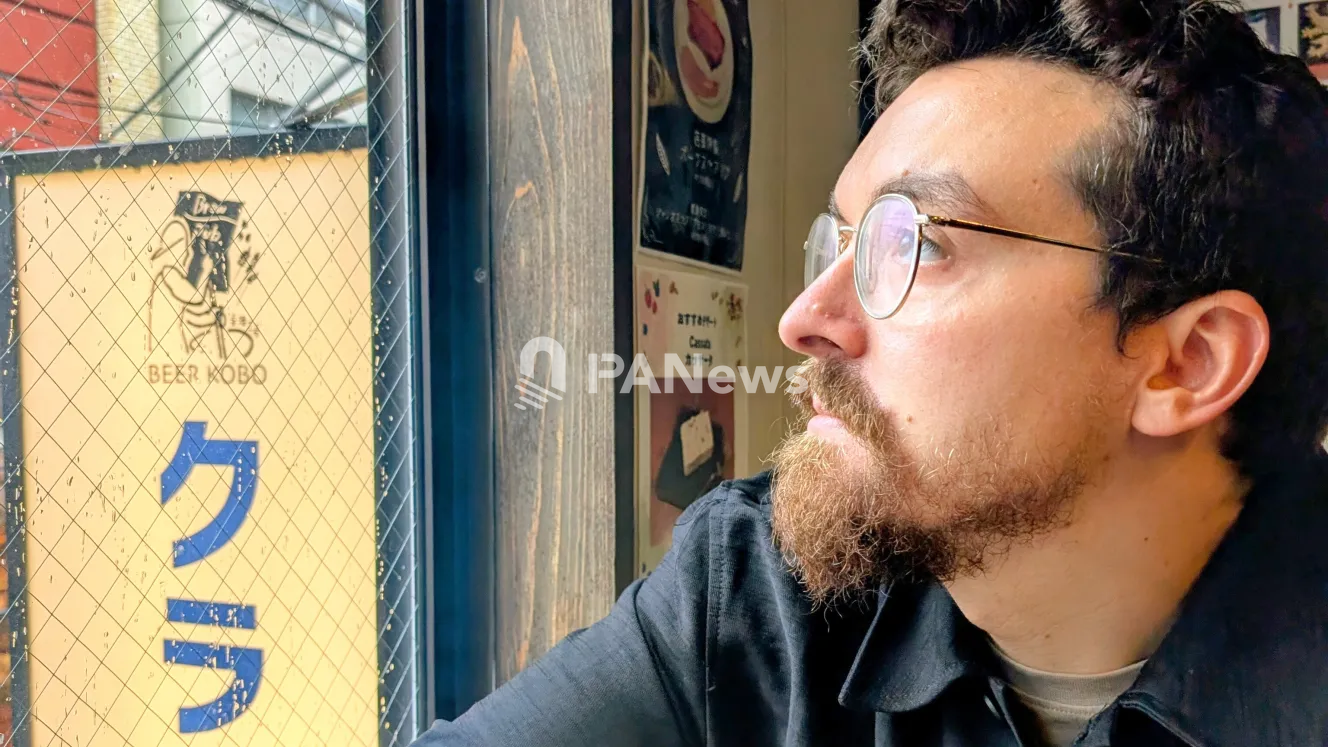
Last summer, after seeing friends and relatives make what looked like substantial gains in the crypto market, Daniels bought XRP through Coinbase. He put in £4,000 when XRP was around £1.6, and as the price kept climbing he added another £1,000. Today the holding is worth less than £3,000, and regret keeps welling up.
Daniels, who has just finished moving house, said he and his wife plan to sell everything once crypto prices recover and the loss no longer looks so painful. "We're not counting on breaking even, let alone making money. We just hope the loss doesn't look as ugly as it does now," he said.
The Binance hack is regarded as one of the largest financial thefts in history, with hackers stealing $6.3 billion in assets from the exchange's cryptocurrency wallets.
Binance said the breach stemmed from human error: an engineer accidentally downloaded malware in June, after which the hackers staged fake job interviews to trick another employee into installing malicious software. Of the $6.34 billion stolen, $2.85 billion has been frozen and intercepted by the platform. The FBI attributed the attack to a North Korean hacking group.
Although Daniels does not keep his coins on Binance, the security incident made him start questioning just how safe cryptocurrencies really are. "At the end of the day, this is digital assets — everything is born in the digital world and can be destroyed by it. Once a hack happens, the whole market is affected over the long run."
Since then he has been monitoring his investment more closely, adjusting the price alerts on his Coinbase account so that he and his wife can sell and exit once prices reach his target.
Daniels deals with crypto industry clients in his day job, so he is well aware of the risks in the sector — "bad actors," market manipulation and the like. But the lure of high returns, plus the mood in the wider market, still drove him to take the gamble.
He put 60% of an inheritance into an S&P 500 index fund, 30% into XRP, and kept the rest for day-to-day expenses. The gains from the index fund have roughly offset his crypto losses. "I'm not naturally the high-risk speculation type. To be honest, index funds always go up in the long run."
"I've Lost Faith in Crypto Trading Platforms"
Tom Stanley, 35, is an IT director in West Yorkshire. He has put in about £20,000, allocated across bitcoin, ether and dogecoin.

The Binance hack made him worry about whether the trading platforms that custody his assets are safe enough. He has been investing in crypto for a decade, mainly using Coinbase. Though nothing unusual has happened in his own account, he has begun spreading some assets across multiple trading platforms to diversify risk.
"At the end of the day, one vulnerability on a platform or one human error by an employee can bring down an entire exchange."
He worries that hackers can bypass routine security protections such as SMS verification codes, facial and voice recognition. Since Binance was hit, he checks his accounts more often, but he has not given up on crypto entirely.
In his view, what has been exposed are flaws in custody and trading platforms, not in the underlying technology of cryptocurrency. "It's the platforms I've lost faith in, not blockchain technology."
Coinbase responded: ownership of assets on the platform always belongs to users, and the platform will not lend out or use user assets without permission. The vast majority of assets are held in secure offline cold wallets, backed by multiple layers of protection, including controls over system access permissions and various tools that help users protect the security of their accounts.