WOJAK is one of those tokens that does not need much explanation. People already know the meme. The tired face. The sad face. The trader who bought the top. The holder watching a red candle and pretending everything is fine. Wojak has been part of internet culture for years, and crypto adopted it naturally because no market understands emotional damage better than crypto.
That is why WOJAK has always had a stronger identity than many meme coins. It is not trying to invent a new joke. The joke already exists.
But a familiar meme does not automatically make a clean trade. WOJAK still has attention. It still has cultural recognition. It still fits perfectly into crypto Twitter whenever the market gets ugly. But the current WOJAK story is more complicated than “classic meme comes back.”
The token has gone through a swap. Old and new data can appear across different trackers. Supply numbers are huge. Whale concentration remains a concern. On-chain trading can expose users to MEV and slippage risk.
So yes, WOJAK is a meme trade. But it is not a simple one.
The Meme Is the Product
WOJAK does not trade on protocol revenue. It does not have the kind of business model traders would use to value a DeFi protocol. There is no TVL story, no major fee stream, no serious technical roadmap that explains why the token should be worth a certain amount.
Its value comes from recognition. That may sound weak, but in meme markets, recognition matters. A meme coin needs people to understand the symbol instantly. WOJAK has that. When traders see the Wojak face, they know the emotion immediately.
That gives the token a real cultural base. The problem is that culture and price are not the same thing. A meme can stay famous while the token underperforms. A community can stay active while liquidity rotates somewhere else. A token can be recognizable and still be a bad entry if supply, whales, and market structure are working against buyers.
That is the tension with WOJAK. The meme is strong. The trade still needs checking.
The Token Swap Makes the Data Messy
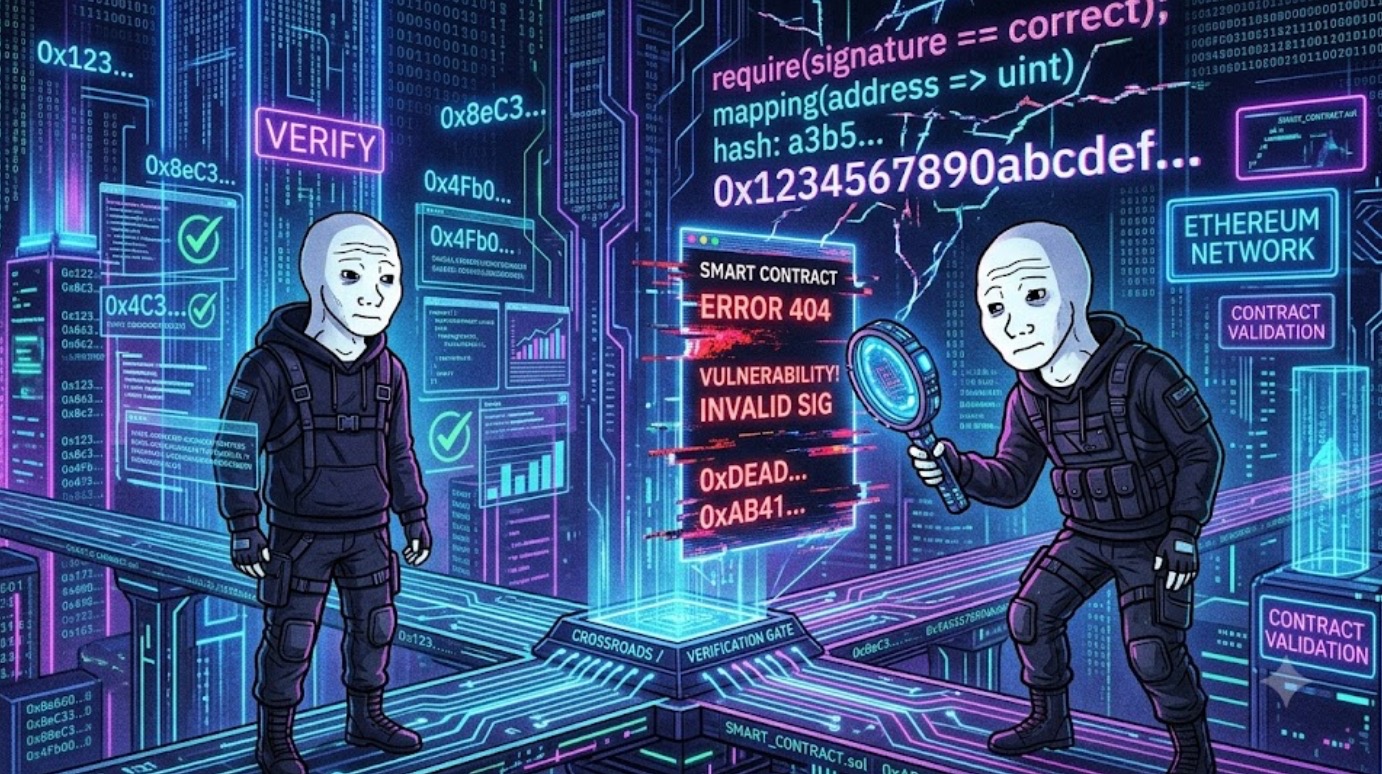
The biggest thing traders need to understand is that WOJAK data is not as clean as it looks.
After the token swap, different platforms may show different versions of WOJAK. Some pages may still reference the old token. Others track the newer contract. Prices, market cap, supply, and holder data can look completely different depending on the source.
That is a real problem. Meme traders often move fast. They see a chart, a post, a price alert, or a screenshot, and they enter before checking the basics. With WOJAK, that can be dangerous.
Before thinking about upside, traders need to ask a boring but important question:
Which WOJAK am I looking at?
That one question can prevent a lot of mistakes. A token swap does not mean the market is broken. But it does mean old data and new data can overlap for a while. In a fast-moving meme coin, that confusion can become expensive.
Always Check the Contract
For WOJAK, contract verification matters more than usual.
The name is famous. The meme is famous. That makes it easier for fake versions, outdated pools, and copycat tokens to appear around the same brand.
A trader should not rely only on the token name. Check the active contract. Check the trading pair. Check the liquidity source. Check whether the exchange or DEX is using the current version. Check whether the market cap shown on one tracker matches other sources.
This may feel slow, but it is part of the trade. Meme coins reward speed, but they punish carelessness.
The Supply Is Huge, So Unit Price Can Mislead
WOJAK’s post-swap supply is massive. That is one reason the unit price looks extremely small. For retail traders, a token with many zeros can feel cheap. It creates the feeling that even a tiny move could become a big percentage gain.
But a low unit price alone means almost nothing. What matters is market cap, liquidity, volume, holder distribution, and whether new demand can absorb selling pressure. A token with a tiny unit price can still be expensive if the market cap is high relative to liquidity.
This is one of the oldest traps in meme coin trading. People buy the number of tokens, not the quality of the setup. WOJAK can still rally if attention comes back. But traders should not confuse “many zeros” with “early opportunity.”
Whale Risk Has Not Gone Away
Meme coins often have uneven ownership, and WOJAK is no exception. When large holders control a meaningful share of supply or active liquidity, price action can become unstable. A few big wallets can help push a rally. The same wallets can also turn into heavy sell pressure.
That matters because retail traders usually arrive after the move starts.
By the time WOJAK is trending, part of the easy move may already be gone. If whales start taking profit into retail demand, the chart can reverse quickly.
This does not mean every rally is fake. It means traders should watch wallet behavior, liquidity depth, and volume quality instead of assuming every green candle is organic demand.
In meme markets, the crowd often sees the move late.
Security Signals Still Matter
Some traders ignore contract risk because they think meme coins are “just for fun.”
That is a mistake. Even if a token is mainly cultural, the contract still matters. Liquidity settings matter. Ownership permissions matter. Audit status matters. Trading venue quality matters.
WOJAK should not be judged like a blue-chip protocol, but it should still be checked like a crypto asset. If security signals are unclear, traders should size positions accordingly. Taking meme risk is one thing. Ignoring basic contract risk is another.
Why WOJAK Still Has a Market
The reason WOJAK still gets attention is simple: the meme has staying power.
Most meme coins need to keep explaining themselves. WOJAK does not. It already has a place in internet culture. It appears whenever markets hurt. It fits every liquidation joke, every bear-market post, every “I am fine” crypto moment.
That gives it durability. In a market where attention is currency, that matters.
But attention rotates quickly. Old meme coins can come back when traders want familiar names. They can also fade when capital chases newer, faster stories.
Bottom Line
WOJAK is still one of the more recognizable meme coins because the Wojak character already belongs to internet culture.
That is its advantage.
But the current trade is not just about culture. It is about contract migration, data accuracy, supply, liquidity, whale behavior, on-chain execution, and whether meme attention can turn into real buying demand.
The cleanest way to think about WOJAK is this:
It is not a technology bet.
It is not a revenue bet.
It is a cultural liquidity bet.
That can be powerful when attention returns. It can also be painful when the crowd leaves.
For traders, the rule is simple: enjoy the meme, but check the contract. Watch the liquidity. Compare the data. Respect the whales. And never treat a famous meme as a safe trade.
Traders can follow more market updates on Tapbit, log in, or register to stay connected with global crypto opportunities.
Frequently Asked Questions (FAQ)
What is WOJAK?
WOJAK is a meme coin based on the classic Wojak internet character, also known as “Feels Guy.” Its value is mainly linked to meme culture, community attention, and market sentiment rather than protocol revenue or technical utility.
Why is WOJAK popular in crypto?
WOJAK fits crypto culture because the meme represents emotions traders understand well: loss, stress, regret, liquidation, bear markets, and emotional survival during volatility.
Is WOJAK a technology project?
No. WOJAK should not be viewed like a DeFi protocol, Layer 1 blockchain, or infrastructure project. It is closer to a cultural liquidity trade driven by attention and meme recognition.


