
Crypto traders love a good macro story.
First it was tokenized treasuries. Then tokenized stocks. Then gold. Now the market is starting to look at oil and energy reserves. That is why Vanguard Digital Oil Reserve, or VDOR, catches the eye.
The name sounds serious. It sounds like it belongs next to energy ETFs, oil reserves, and institutional products. For anyone scanning new tokens, that is enough to make them stop and look twice.
But a serious-sounding name does not prove there is a serious product behind it. Based on currently available public information, VDOR should not be treated as a confirmed Vanguard product, a verified oil-backed token, or a regulated energy investment. At this stage, it looks more like an energy-RWA narrative that still needs hard evidence.
The Name Is Doing Most of the Selling
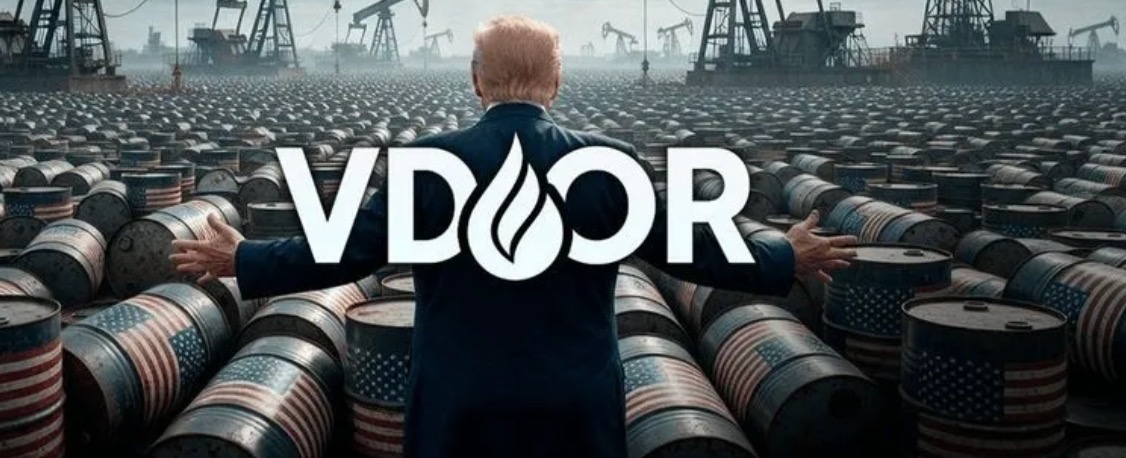
VDOR works because the name is powerful. “Vanguard” makes people think of traditional finance. “Digital Oil Reserve” makes people think of commodities and real assets. Put them together, and the token sounds like a bridge between oil markets and crypto rails.
That is a strong hook.
But branding is not the same as backing. Vanguard already has real energy products in traditional markets, such as energy-sector ETFs. Those products come with filings, holdings, custodians, fees, and regulated market infrastructure.
A Solana token using a similar-sounding name is something else entirely. Unless there is official confirmation from Vanguard, audited reserve proof, legal documentation, and clear issuer information, traders should not assume a connection. In crypto, names can travel faster than facts.
Energy RWA Is Real. That Does Not Make Every Energy Token Real
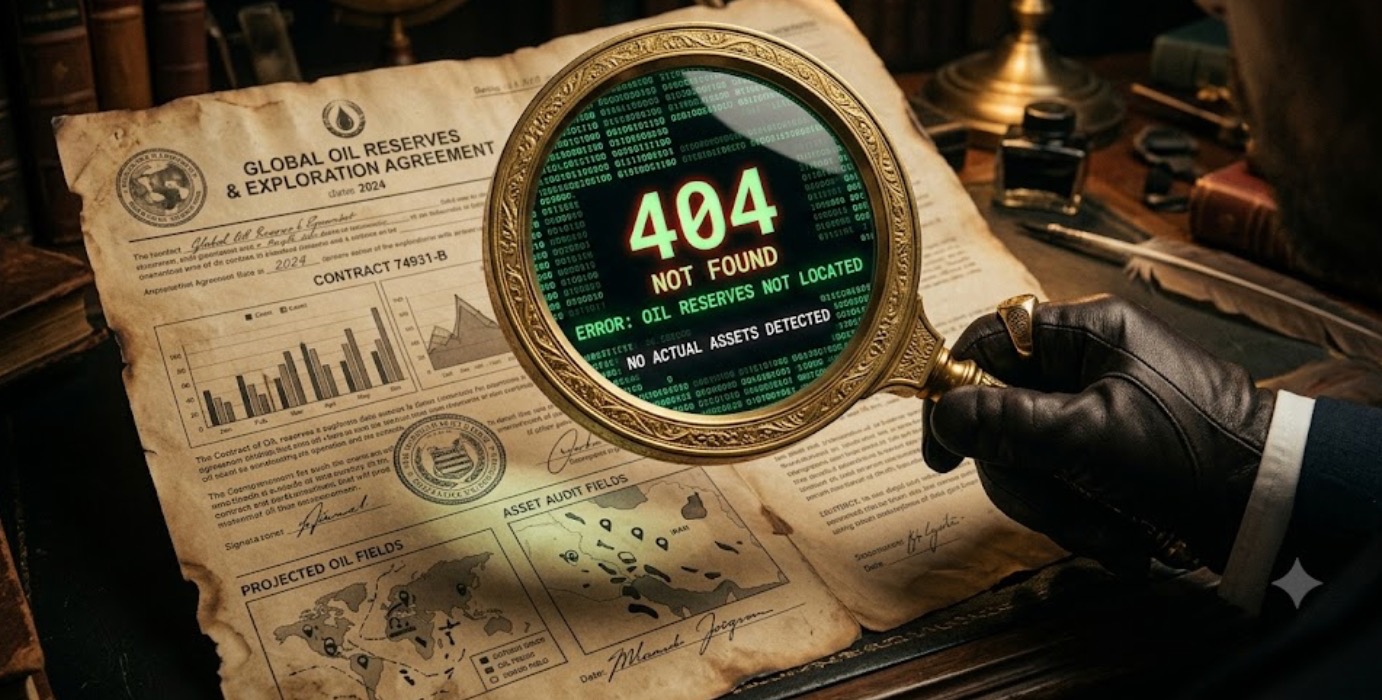
In theory, oil, gas, power contracts, carbon credits, and other commodity-linked assets could move on-chain over time. A well-built product could make settlement faster, ownership more transparent, and access easier for global investors.
But a real commodity-backed token needs real proof.
Where is the oil?
Who owns it?
Who stores it?
Who audits it?
What rights do tokenholders have?
Can the token be redeemed?
Which regulator oversees the structure?
Without answers to those questions, “oil reserve” is just a story. That is where traders need to be careful with VDOR. If there is no verified reserve, no issuer disclosure, no custody structure, and no audit, then the token should not be treated as oil-backed. It should be treated as oil-themed. Those are very different things.
What Would Make VDOR More Convincing?
VDOR would need more than a good name.
A credible energy RWA product should show a verified contract, consistent market data, clear tokenomics, public issuer details, reserve disclosures, third-party audits, custody information, and legal terms.
If it claims oil exposure, it should explain exactly how that exposure works. If it uses the word “Vanguard,” it should clearly state whether there is any relationship with Vanguard Group. Without official confirmation, traders should assume there is none.
This is not nitpicking. It is the difference between a commodity-linked financial product and a token using commodity language.
Why Traders Still Chase It
Even with weak proof, a token like VDOR can still attract attention.
That is how crypto works.
Oil is a big macro theme. RWA is hot. Solana moves fast. A token that combines all of that can get short-term demand, especially if social media picks it up. But short-term demand is not the same as long-term value. A token can pump because the name is good. It can also fade once the market asks for receipts.
That is the risk with narrative trades. They move before the facts arrive. Sometimes the facts never arrive.
What to Watch
The first thing to watch is whether VDOR gets a verified contract and consistent data across reputable trackers.
The second is liquidity. If the pool is thin, any price move should be treated carefully.
The third is holder concentration. Large insider or whale holdings can turn a strong chart into a trap.
The fourth is reserve proof. If the project claims oil exposure, traders should expect audits, custody details, and legal disclosures.
The fifth is official affiliation. If there is no confirmation from Vanguard or a recognized energy institution, traders should not assume one exists.
Bottom Line
VDOR is a good example of where crypto is right now.
The market wants real-world assets. Traders want exposure to oil, energy, and commodities. Solana makes it easy for new tokens to package those themes quickly.
But a name is not enough. VDOR may be an interesting energy-RWA narrative, but it should not be treated as a confirmed Vanguard product or a verified oil-backed asset without proof.
The trade may be exciting. The story may be strong. But in a market full of copycat names and fast-moving liquidity, traders should ask for evidence before buying the headline.
Traders can follow more market updates on Tapbit, log in, or register to stay connected with global crypto opportunities.
Frequently Asked Questions (FAQ)
What is VDOR?
VDOR refers to Vanguard Digital Oil Reserve, a crypto market narrative built around digital oil reserve and energy RWA themes. Based on currently available public information, traders should treat it as an unverified energy-themed token rather than a confirmed oil-backed product.
Is VDOR a Vanguard product?
There is no verified evidence that VDOR is issued, backed, sponsored, or endorsed by Vanguard Group. Traders should not assume any relationship with Vanguard unless it is confirmed through official Vanguard channels.
Is VDOR the same as a Vanguard Energy ETF?
No. A Vanguard Energy ETF is a regulated traditional financial product that holds energy-sector equities. VDOR, as described in crypto market discussions, is a digital token-style product with a completely different risk profile.


