

Zest Protocol (ZEST) is a Bitcoin DeFi lending project that aims to make BTC and Bitcoin-adjacent assets more useful inside decentralized finance. Instead of treating Bitcoin only as a passive store of value, Zest focuses on lending, borrowing, collateral, and yield opportunities connected to the Bitcoin ecosystem.
For users researching Bitcoin DeFi and emerging lending protocols, Tapbit market access can be a useful starting point for following broader crypto trends before comparing smaller DeFi tokens. ZEST itself should still be checked through official protocol pages, supported markets, and verified trading venues before any action.
What Is Zest Protocol?
Zest Protocol is a decentralized lending protocol designed for Bitcoin finance. Its goal is to unlock more utility from BTC and related assets by allowing users to supply assets, borrow against collateral, and participate in Bitcoin-linked lending markets.
The protocol is closely associated with Stacks, a Bitcoin Layer 2 ecosystem that brings smart contract functionality to Bitcoin-connected applications. Through Stacks-based markets, Zest can support borrowing and lending activity for assets connected to the Bitcoin economy.
What Is ZEST Token?
ZEST is the native token associated with Zest Protocol. It is positioned around the protocol's Bitcoin-backed lending economy and may be used in ecosystem incentives, market activity, governance-related discussions, or future protocol growth depending on how the project develops.
Users should separate the protocol from the ZEST token. Zest Protocol may have real DeFi usage, but the ZEST token price can still move independently based on liquidity, exchange access, incentives, speculation, and broader crypto market sentiment.
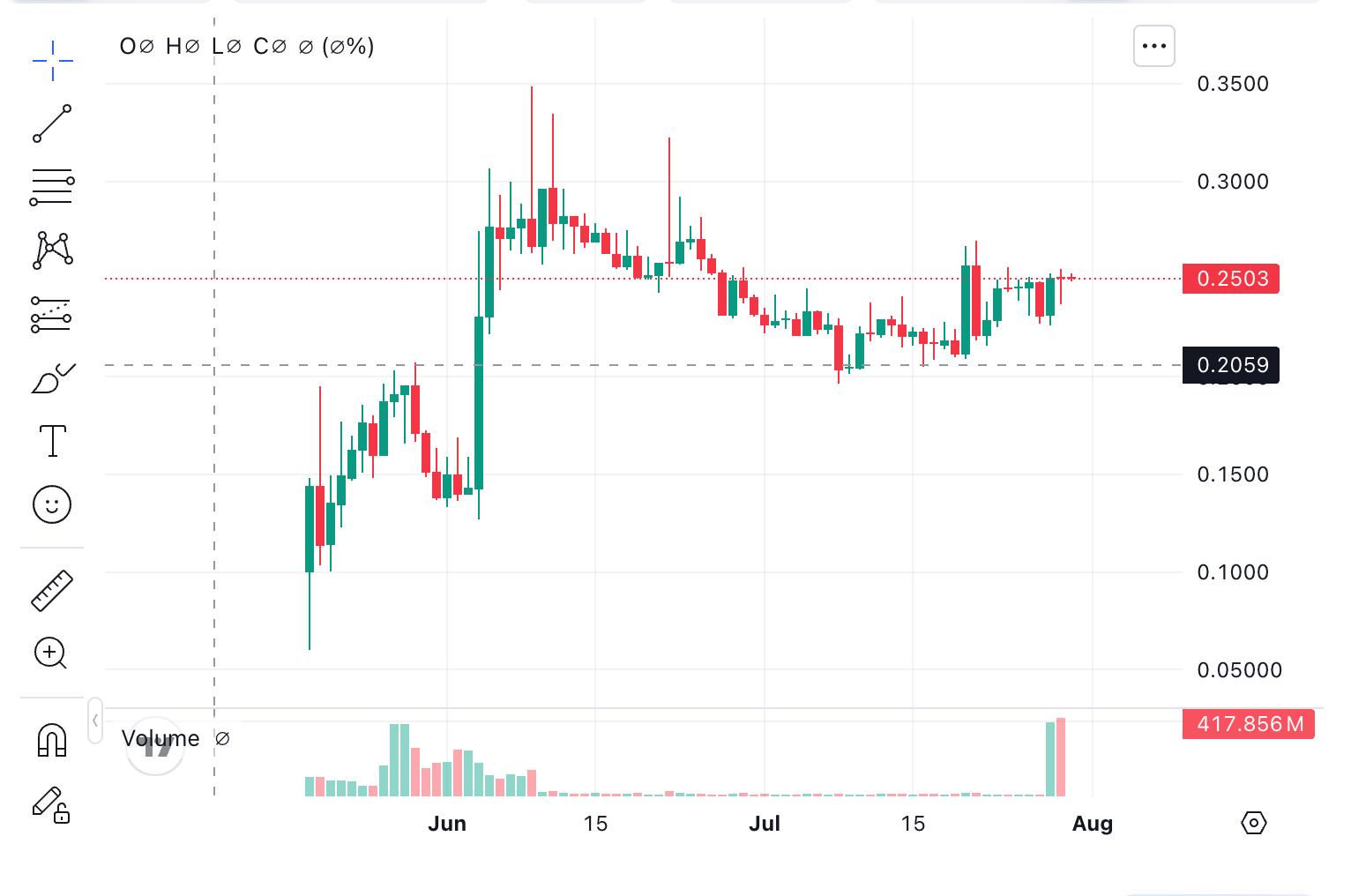
How Zest Protocol Brings DeFi to Bitcoin
Bitcoin is highly liquid and widely held, but historically it has been less flexible inside DeFi than assets on smart contract chains such as Ethereum. Zest tries to address that gap by creating lending markets where Bitcoin-related assets can be supplied, borrowed against, or used more productively.
The protocol's current market structure is tied to Stacks-based DeFi. Users may interact with supported wallets, supply eligible assets, and borrow stablecoins or other listed assets depending on collateral settings. This gives Bitcoin holders and Stacks users another way to access liquidity without relying only on centralized borrowing desks.
Zest Protocol and Stacks Market
Stacks Market is an important part of Zest Protocol's product direction. It supports lending and borrowing activity for assets such as STX, sBTC, stSTX, USDCx, USDh, and other supported assets depending on the active market configuration.
Zest uses collateral rules and risk groups to manage different asset exposures. For borrowers, this means not every supplied asset can be used in the same way. Loan-to-value ratios, liquidation thresholds, and eligible debt assets may differ across collateral types.
| Feature | Why It Matters |
|---|---|
| Supply Markets | Users may deposit supported assets to earn lending yield. |
| Borrow Markets | Users can borrow against eligible collateral under protocol limits. |
| Risk Groups | Collateral and debt exposure may be separated to reduce systemic risk. |
| Liquidation Rules | Positions can be liquidated if collateral value falls below required levels. |
| Oracle Pricing | Accurate pricing is needed for collateral valuation and liquidation execution. |
What Happened to BTCz?
Older Zest materials and third-party guides may still mention BTCz, a yield-bearing Bitcoin asset on Stacks. However, BTCz appears to have been phased out as part of a broader protocol refocus, with Zest prioritizing newer Bitcoin DeFi infrastructure such as sBTC and borrow markets.
This history matters because users may still find outdated guides or social posts when researching Zest. Before using any product, users should confirm whether the feature is still active, deprecated, or replaced by a newer market.
Bitcoin Collateral Vaults and Future BTC Lending
Zest also describes a longer-term direction around Bitcoin collateral vaults. The idea is to let users borrow against BTC while keeping Bitcoin exposure connected to the Bitcoin base layer, rather than depending entirely on wrapped assets or centralized custodians.
If successful, this could make Bitcoin lending more native and more attractive to users who do not want to sell BTC exposure. However, these designs still require careful review because collateral custody, bridge assumptions, liquidity, and liquidation execution can affect user risk.
How Zest Lending and Borrowing Works
In a simplified lending flow, a user supplies a supported asset to the protocol. That asset may earn yield from borrowing demand or may be used as collateral if the protocol allows it. A borrower can then borrow another supported asset up to a certain collateral limit.
If collateral value falls or borrowed asset value rises, the position may move closer to liquidation. This is one of the most important risks in lending protocols. A user can lose collateral even if the underlying project remains active and legitimate.
Why Zest Protocol Matters for Bitcoin DeFi
Zest matters because it sits at the intersection of two major crypto themes: Bitcoin as the largest crypto asset and DeFi as an application layer for lending, borrowing, and yield. If Bitcoin DeFi expands, protocols that make BTC more productive may attract more attention.
The broader opportunity is not just earning yield. It is about building financial rails around Bitcoin liquidity. Borrowers may want stablecoin liquidity without selling BTC exposure, while lenders may want yield from assets that otherwise sit idle.

Key Risks of Zest Protocol and ZEST
Zest Protocol still carries the normal risks of DeFi lending. Smart contracts can have bugs. Oracle feeds can fail or lag. Collateral values can move quickly. Liquidations can happen during volatile markets. Liquidity may also be limited for smaller assets.
ZEST token holders face additional risks. Token price may not track protocol usage directly. Incentive emissions, exchange liquidity, speculative demand, and unlock schedules can all influence price behavior. A protocol can grow while its token still underperforms if token design or market conditions are weak.
Is ZEST a Good Investment?
ZEST may appeal to investors who believe Bitcoin DeFi will expand and that lending protocols built around BTC liquidity can capture meaningful value. The bull case depends on adoption, active borrowing demand, transparent tokenomics, and safer user experience over time.
The cautious view is that ZEST remains a high-risk crypto asset despite the stronger Bitcoin DeFi narrative. Bitcoin DeFi is still developing, competition is increasing, and lending protocols must prove they can operate safely through volatile market cycles.
How to Research Zest Protocol Before Using It
Users should begin with the official Zest app and documentation, then confirm supported wallets, markets, collateral rules, and current product status. It is especially important to check whether any guide is outdated, because DeFi products can change quickly.
Before borrowing, users should understand liquidation thresholds, loan-to-value ratios, debt assets, oracle assumptions, and withdrawal conditions. Before buying ZEST, users should review liquidity, trading venues, holder distribution, tokenomics, and protocol revenue or adoption signals.
Conclusion
Zest Protocol is one of the more notable Bitcoin DeFi lending projects because it tries to make BTC and Stacks-based assets more productive through lending and borrowing markets. Its long-term appeal depends on whether Bitcoin DeFi can grow beyond a niche category.
Still, Zest is not risk-free. Smart contract risk, liquidation risk, oracle risk, liquidity risk, and ZEST token volatility all matter. For users interested in the protocol, the best approach is to research the live app, understand collateral rules, and treat ZEST as a speculative crypto asset rather than a guaranteed proxy for Bitcoin DeFi growth.
FAQ
What is Zest Protocol?
Zest Protocol is a Bitcoin-focused DeFi lending protocol that allows users to supply supported assets and borrow against eligible collateral, mainly through Stacks-based markets.
What is ZEST token?
ZEST is the token connected to the Zest Protocol ecosystem and its Bitcoin-backed lending economy.
Is Zest Protocol built on Bitcoin?
Zest is focused on Bitcoin DeFi and operates through Stacks, a Bitcoin Layer 2 ecosystem. It also aims to expand toward more Bitcoin-native collateral products.
Can users borrow against BTC on Zest?
Zest is working toward Bitcoin collateral products, while current markets are closely tied to Stacks assets and sBTC-related DeFi activity. Users should check the live app for current support.
What are the main risks of Zest Protocol?
Main risks include smart contract bugs, oracle issues, liquidation risk, market volatility, changing product support, and limited liquidity in certain assets.
Is ZEST a good investment?
ZEST may benefit if Bitcoin DeFi adoption grows, but it remains speculative. Investors should review protocol usage, liquidity, tokenomics, and market conditions before making decisions.


