Global Trust Fund System, commonly referred to as GTFS token, is a crypto asset that appears to use finance-oriented branding built around trust, fund, and global financial system narratives.
The name may sound formal, but beginners should be careful. In crypto, a token can use words such as trust, fund, reserve, system, or foundation without being a legally registered trust fund or regulated investment product.
That distinction matters. A real trust fund usually involves legal documentation, trustees, custody rules, beneficiary rights, asset disclosures, and regulatory oversight. A crypto token using similar language does not automatically provide any of these protections.
GTFS Token Overview
| Project Element | Description |
|---|---|
| Token Name | Global Trust Fund System |
| Symbol | GTFS |
| Asset Type | Cryptocurrency token |
| Main Narrative | Trust-fund and global finance-style branding |
| Market Category | Speculative digital asset |
| Key Question | Is there verified utility or only narrative-driven demand? |
GTFS should be evaluated like any other speculative crypto token: by contract verification, liquidity, ownership distribution, trading activity, and project transparency.
Why Trust-Fund Tokens Attract Attention
Crypto markets are highly narrative-driven. A token with a professional-sounding name can attract interest faster than a project with unclear branding.
Terms like global, trust, and fund may create the impression of stability or institutional credibility. That can be powerful in a market where many investors are looking for early-stage opportunities linked to finance, tokenized assets, or real-world asset narratives.
However, investors should separate branding from evidence. A strong name may help a token trend, but it does not prove that the project holds real assets, operates a fund, or provides legal investor protections.
Is GTFS a Real Trust Fund?
Investors should not assume GTFS is a real trust fund unless the project provides clear legal and regulatory proof.
Before treating GTFS as anything more than a crypto token, investors should look for legal registration documents, identifiable trustees or operators, custody disclosures, proof of asset backing, independent audits, investor rights documentation, and official regulatory status.
Without this kind of documentation, GTFS should be viewed as a speculative crypto asset rather than a regulated trust product.
GTFS Tokenomics: What to Check
Tokenomics are one of the most important areas to review before trading GTFS.
| Area to Review | Why It Matters |
|---|---|
| Total Supply | Shows token issuance limits |
| Circulating Supply | Helps estimate market availability |
| Holder Distribution | Reveals concentration risk |
| Liquidity | Determines whether exits are realistic |
| Trading Volume | Shows actual market participation |
| Contract Permissions | May reveal minting, freezing, or control risks |
Even if a token has a strong narrative, poor liquidity or concentrated ownership can make it risky. If a few wallets control most of the supply, price can move sharply when those holders sell.
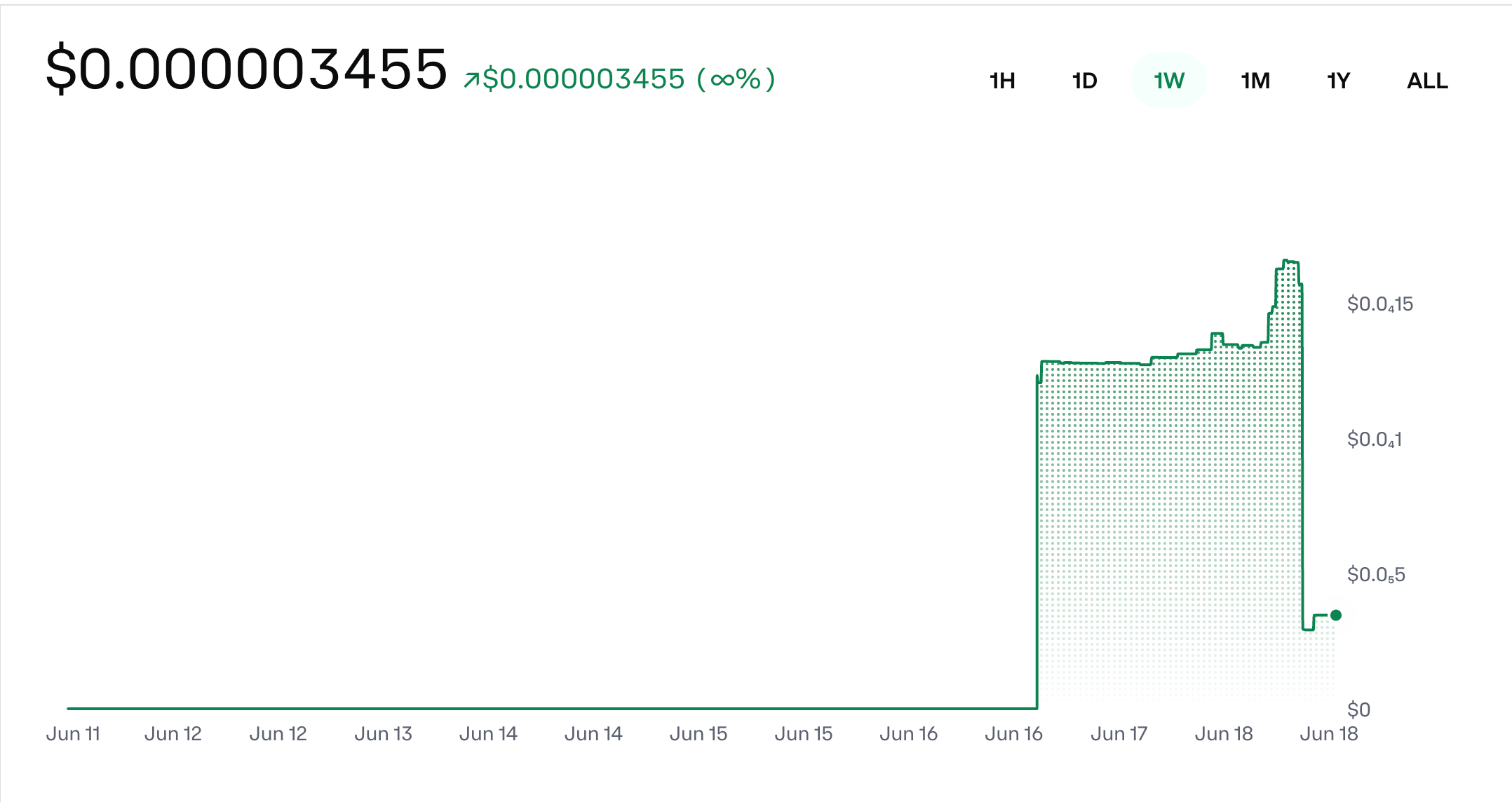
Main Risks of GTFS
GTFS carries the same risks common to many emerging crypto assets, plus extra risk from trust-fund-style branding.
| Risk Factor | Potential Impact |
|---|---|
| Branding Confusion | Investors may mistake marketing for legal backing |
| Low Liquidity | Buying or selling may cause high slippage |
| Copycat Tokens | Similar names can mislead buyers |
| Limited Transparency | Harder to verify project claims |
| Holder Concentration | Large wallets may affect price |
| Speculative Volatility | Price may move mainly on hype |
The biggest concern is simple: a token that sounds like a financial institution is not necessarily a financial institution.
How to Research GTFS Before Trading
Before trading GTFS, investors should first verify the official contract address. This is especially important for tokens with formal-sounding names because copycat tokens can appear quickly.
A basic research checklist includes verifying the contract address, checking liquidity depth, reviewing holder concentration, looking for official website and social channels, examining trading volume trends, checking whether liquidity is locked, reviewing contract permissions, and avoiding reliance on promotional posts alone.
Users researching emerging crypto markets can explore broader digital asset tools through the Tapbit platform. If GTFS is not directly listed, traders should be extra careful to avoid fake tokens or misleading contract addresses.
Is GTFS a Good Investment?
GTFS may interest speculative traders who follow trust-themed, fund-themed, or institutional-style crypto narratives. These narratives can sometimes attract short-term attention, especially when market sentiment favors finance-related tokens.
However, GTFS should not be treated as a conservative investment without verified transparency. If there is no confirmed asset backing, no legal fund structure, and limited public documentation, the token remains highly speculative.
For beginners, the safer approach is to watch the project first rather than rushing in. Liquidity, trading volume, holder distribution, and transparency matter more than the name.
Conclusion
Global Trust Fund System (GTFS) is best understood as a crypto token using trust-fund and global finance-style branding. While that narrative may attract market attention, investors should not assume GTFS is a regulated trust fund or asset-backed investment product.
The most important step is verification. Check the contract, liquidity, ownership structure, project disclosures, and real utility before considering any exposure.
For broader crypto market access and platform campaigns, users can also visit the Tapbit rewards page, while remembering that speculative tokens require careful risk management.
FAQ
What is GTFS token?
GTFS stands for Global Trust Fund System and appears to be a crypto token using trust-fund-style financial branding.
Is GTFS a real trust fund?
Investors should not assume GTFS is a real trust fund unless legal registration, custody, and regulatory documentation are publicly verified.
Is GTFS risky?
Yes. Risks include low liquidity, limited transparency, copycat tokens, speculative volatility, and possible confusion between branding and real asset backing.
What should investors check before buying GTFS?
Check the contract address, liquidity, holder distribution, trading volume, project documents, and contract permissions.
Is GTFS suitable for beginners?
Beginners should approach GTFS cautiously and treat it as a speculative crypto asset unless stronger verification becomes available.


