
United States Oil Holdings, commonly referred to as USOH, has attracted attention because its name sounds like something connected to energy markets. For beginners, that can be confusing. The phrase “oil holdings” may suggest exposure to crude oil, U.S. energy reserves, listed oil companies, or a traditional investment vehicle.
But crypto naming can be very different from traditional finance. A token can use institutional-sounding language without giving holders ownership of oil wells, energy companies, physical barrels, futures contracts, or regulated fund shares.
For users researching broader digital asset markets and comparing crypto narratives, the Tapbit registration page provides access to market tools and trading features. This is a general market-access link and does not mean USOH is listed on Tapbit. Always confirm the actual supported market before trading any token.
What Is United States Oil Holdings (USOH)?
USOH is best understood as a crypto token using an oil-themed narrative. The project name suggests exposure to energy assets, but investors should separate branding from verified ownership.
In traditional finance, the word “holdings” often refers to a company, fund, or investment structure that owns assets. In crypto, however, a token name alone does not prove that any assets are held on behalf of token buyers.
Unless USOH provides audited reserve disclosures, legal ownership documents, fund registration details, custody records, and clear investor rights, it should not be treated as a real oil holding company or regulated oil investment.
USOH vs Oil Stocks: What Is the Difference?
Oil stocks and oil-themed crypto tokens sit in very different categories.
Oil stocks usually represent shares in publicly listed energy companies. These companies may produce oil, refine fuel, operate pipelines, provide drilling services, or sell energy products. Investors can review earnings reports, balance sheets, production data, dividends, debt levels, and regulatory filings.
USOH, by contrast, is a token. Its price is more likely driven by liquidity, social attention, token supply, wallet concentration, and speculation around the oil narrative.
| Comparison Area | USOH Token | Oil Stocks |
|---|---|---|
| Asset type | Crypto token | Public company shares |
| Main driver | Token demand and market sentiment | Earnings, production, oil prices, dividends |
| Ownership rights | Usually unclear unless documented | Shareholder rights in a listed company |
| Regulation | Depends on token structure and venue | Listed equity market regulation |
| Transparency | Often limited for small tokens | Financial statements and disclosures |
| Main risk | Liquidity, volatility, scam claims | Commodity cycles, earnings risk, company debt |
This does not automatically mean oil stocks are safe. Energy equities can be volatile too. But the information environment is very different.
Is USOH Backed by Real Oil?
This is the most important question for anyone researching USOH.
A real oil-backed product should be able to show what assets support it. That may include physical crude oil reserves, futures exposure, energy company shares, royalty rights, or audited financial structures. There should also be legal documents explaining who owns the assets, who manages them, and what rights investors have.
For USOH, investors should not assume any of that exists unless it is clearly proven. A token may borrow the language of energy markets without holding energy assets.
A useful rule is simple: if the project cannot prove the backing, treat it as unbacked speculation.
Why Oil-Themed Crypto Tokens Attract Attention
Oil is one of the most watched commodities in the world. When crude prices rise, headlines around inflation, Middle East supply risks, OPEC policy, energy demand, and transportation costs often increase. Crypto traders sometimes follow these macro themes and look for tokens that match the narrative.
That is where names like USOH can gain attention. Traders may buy into the idea that an oil-themed token could benefit from rising interest in energy markets.
But narrative alignment is not the same as asset exposure. If Brent or WTI crude oil rises, an oil stock may benefit because the company earns more from selling energy products. USOH may not benefit unless traders decide to buy the token. That is a very different mechanism.
How to Research USOH Before Buying
Before buying USOH, investors should verify the token from the ground up. The first step is confirming the correct contract address and blockchain network. Copycat tokens are common, especially when a name sounds official or financially sophisticated.
Next, review liquidity. A token can show a visible price but still have very little market depth. In that case, even a small buy or sell order can move the price sharply.
Holder distribution is also important. If a small number of wallets control a large share of supply, the token may face sudden sell pressure. Investors should also check whether liquidity is locked, whether the contract has risky permissions, and whether the team has published credible documentation.
USOH Price Risk and Liquidity Reality
USOH may move quickly because small-cap tokens often react sharply to attention. A low-liquidity token can rise fast when buyers arrive, but the same structure can make exits difficult when sentiment cools.
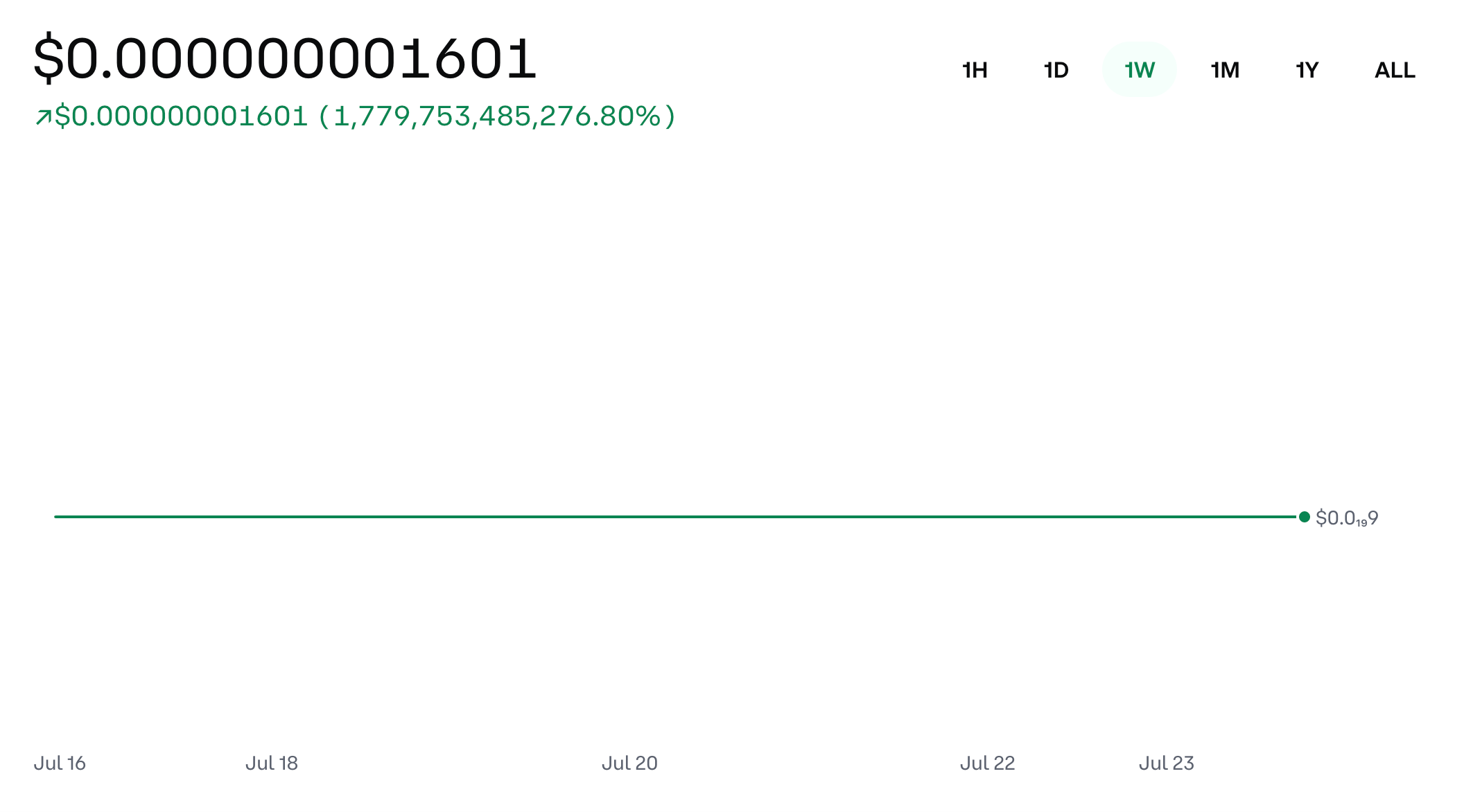
This is especially important for oil narrative tokens. Traders may enter because the theme feels familiar, but if the token has no direct oil exposure, the price can detach completely from the energy market.
A token can look like an oil play while behaving like a meme coin. That gap is where many beginners get caught.
Is USOH a Real Oil Investment?
Based on the way investors should evaluate it, USOH should not be considered a real oil investment unless verified documentation proves otherwise.
A real oil investment usually gives exposure to one or more of the following: oil and gas company shares, crude oil futures, energy sector ETFs, pipeline or infrastructure assets, royalty trusts, or physical commodity-linked products.
USOH does not automatically provide any of these. If it is only a token with oil-themed branding, then its value depends on crypto market speculation rather than oil market fundamentals.
USOH vs Oil Stocks: Which Is More Suitable for Investors?
For conservative investors seeking energy exposure, oil stocks or regulated energy funds are usually easier to analyze. They may still be risky, but investors can review public filings, earnings, management commentary, and sector data.
USOH is more suitable only for high-risk crypto traders who understand meme coin dynamics, liquidity risk, and the possibility that the oil narrative may fade quickly.
The right question is not “Will oil go up?” The better question is: “Does USOH actually give me exposure to oil?” Without proof, the answer is likely no.
Key Red Flags to Watch
USOH investors should be cautious if the project relies heavily on official-sounding language but provides little evidence. Claims about reserves, backing, partnerships, government links, or institutional support should be verified through primary documents.
Other red flags include thin liquidity, anonymous operators, no audit, unclear tokenomics, fake exchange claims, suspicious contract permissions, and a small number of wallets holding a large percentage of supply.
If a project becomes popular mainly because of its name, that is not enough to support a long-term investment case.
Conclusion
United States Oil Holdings (USOH) may sound like an oil investment, but investors should treat it first as a crypto token. Its name does not prove ownership of oil assets, energy stocks, crude reserves, futures contracts, or a regulated fund structure.
Oil stocks are tied to real companies and financial disclosures. USOH appears to be tied mainly to token demand, liquidity, and the oil narrative. That makes it a very different kind of risk.
For traders, USOH may be worth monitoring as a speculative oil-themed crypto token. For investors looking for real energy exposure, it should not be treated as a substitute for oil stocks, crude oil ETFs, or regulated commodity products unless the project provides verified documentation.
FAQ
What is USOH?
USOH stands for United States Oil Holdings and appears to be a crypto token using an oil-themed investment narrative.
Is USOH a real oil stock?
No. USOH should not be treated as an oil stock unless there is verified documentation proving it represents equity or real energy assets.
Is USOH backed by crude oil?
Investors should not assume USOH is backed by crude oil, reserves, or energy assets without audited proof.
How is USOH different from oil stocks?
Oil stocks represent shares in listed energy companies. USOH is a crypto token whose price depends mainly on token demand, liquidity, and speculation.
Is USOH a good investment?
USOH may appeal to high-risk crypto traders, but it is not suitable for investors seeking verified oil exposure unless real backing is proven.
What should I check before buying USOH?
Check the contract address, liquidity, holder distribution, trading venue, token permissions, documentation, and any claims about oil backing.


