
SK Hynix has become one of the most important names in the AI infrastructure trade.
The South Korean memory-chip maker is a key supplier in the high-bandwidth memory, or HBM, market. HBM is essential for AI servers, GPUs and data-center workloads, which makes SK Hynix closely tied to the global AI investment cycle.
Now, global access has changed. SK Hynix recently listed American depositary receipts on Nasdaq. The ADRs were priced at $149, opened at $170, and closed their first session at $168.01, giving the stock a strong Wall Street debut. The offering raised about $26.5 billion, making it one of the largest U.S. listings ever by a foreign company.
For investors, this is not only a “how to buy” story.
It is also a market-access story. SKHY makes it easier for U.S. and global investors to trade SK Hynix exposure through Nasdaq. At the same time, the listing sits inside a larger trend: financial markets are creating more ways to package global assets, from ADRs and ETFs to tokenized securities.
What Is SK Hynix ADR?
An ADR, or American Depositary Receipt, is a U.S.-listed instrument that represents shares of a foreign company.
Instead of opening a Korean brokerage account, converting currency and trading directly on the Korean exchange, investors can buy the U.S.-listed ADR through a broker that supports Nasdaq trading.
For SK Hynix, the ADR trades under the ticker SKHY. MarketWatch reported that the ADR initially traded under SKHYV and then changed to SKHY after the debut period.
This is important: SKHY is not a separate company. It is a U.S.-listed depositary receipt linked to SK Hynix.
It is also important to understand the depositary ratio. Barron’s reported that 10 SK Hynix ADRs equal one South Korean-listed SK Hynix share.
That means SKHY’s lower dollar price does not mean investors are buying SK Hynix at a discount. It reflects the ADR ratio.
Why SK Hynix Matters Now
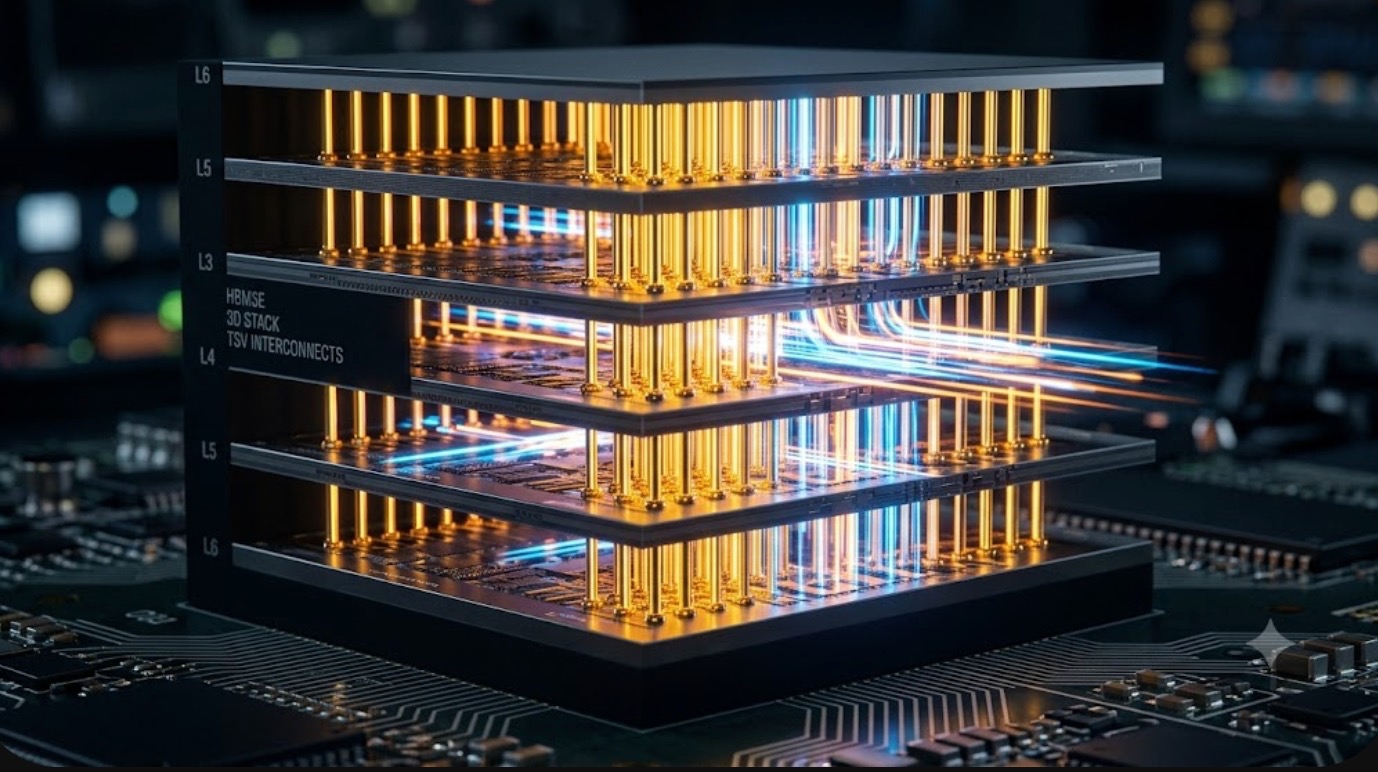
SK Hynix matters because AI demand has changed the memory-chip market.
AI data centers need GPUs, but they also need advanced memory. HBM helps AI chips process large amounts of data more efficiently. That is why SK Hynix has become one of the companies most closely watched by investors tracking AI infrastructure.
AP reported that SK Hynix is a key HBM supplier, that AI demand has lifted memory-chip prices and profits, and that the company’s 2025 revenue reached nearly $65 billion, with profit doubling to about $28 billion. The same report said the U.S. was SK Hynix’s largest market in 2025, contributing 68.8% of revenue.
MarketWatch also reported that SK Hynix held an estimated 56.4% HBM market share, while noting that investors remain bullish on companies powering AI infrastructure.
That is the reason SKHY attracted strong attention at launch.
Investors are not only buying a Korean chipmaker. They are buying exposure to AI memory demand.
How to Buy SK Hynix ADR on Nasdaq
Buying SK Hynix ADR is similar to buying a U.S.-listed stock, but traders should still follow a careful process.
Step 1: Use a broker that supports U.S. stocks
Investors need access to Nasdaq-listed securities. Availability depends on country, broker, account type and local regulations.
Step 2: Search for the ticker SKHY
The Nasdaq-listed SK Hynix ADR trades under SKHY. During the first trading period, the ticker was reported as SKHYV, before changing to SKHY.
Step 3: Check the current price and spread
Because SKHY is newly listed, price discovery can be volatile. Traders should check bid-ask spread, volume and price movement before placing an order.
Step 4: Understand the ADR ratio
Do not compare one ADR directly with one Korean-listed ordinary share. Barron’s reported that 10 ADRs equal one SK Hynix share.
Step 5: Compare ADR premium or discount
SKHY may trade above or below the value implied by the Korean-listed shares. MarketWatch reported that SK Hynix ADRs traded at about a 27% premium to local shares on July 14, while Barron’s later reported that the ADR premium reached about 44% when the ADRs jumped to $184.51.
Step 6: Manage risk
A strong debut does not remove downside risk. Newly listed AI-related stocks can move sharply when sentiment changes.
Why the ADR Premium Matters
One of the most important signals for SKHY is the ADR premium.
When an ADR trades above the implied value of the local share, it suggests strong demand from U.S. or global investors. That can happen when overseas investors prefer the convenience, liquidity or accessibility of a U.S.-listed instrument.
But a premium can also create risk.
If the ADR trades too far above the local shares, short-term traders may begin to question whether the price has moved ahead of fundamentals. Barron’s reported that SK Hynix ADRs surged to $184.51, implying a 44% premium over South Korean shares. It also noted that 10 ADRs equal one local share, which matters when comparing valuations.
Morningstar later assessed the ADRs as fairly valued with a $160 fair-value estimate and a “very high” uncertainty rating, citing the cyclical nature of memory-chip earnings and limited trading history for the new ADRs.
This means investors should not treat the ADR premium as automatically bullish. It is a signal of demand, but also a signal of possible short-term overextension.
From ADRs to Tokenized Market Access
ADRs have existed for decades as a traditional way for investors to access foreign companies through U.S. markets. SKHY is one example: it gives investors Nasdaq-listed exposure to SK Hynix through an American Depositary Receipt structure.
Tokenized securities and stock-linked crypto products represent a newer version of the same broader trend: making global market exposure easier to access through digital infrastructure.
Tapbit has also introduced SKHY-USDT, giving users a crypto-native way to trade price exposure linked to SK Hynix through Tapbit’s futures market: https://www.tapbit.com/en/futures/SKHY-USDT?strategyMode=standard
This does not mean SKHY-USDT is the same as owning SK Hynix shares or holding the Nasdaq-listed SKHY ADR. Stock-linked crypto products may provide price exposure, but they generally do not provide shareholder rights such as voting rights, dividends, or direct ownership of the underlying company.
Whether users access SK Hynix through the Korean-listed stock, the Nasdaq-listed SKHY ADR, ETFs, or Tapbit’s SKHY-USDT market, they should understand the structure of the product they are trading. Each route may track the same market theme, but the rights, risks, liquidity, trading hours, leverage, and settlement mechanisms can be very different.
What Traders Should Watch After Buying SKHY
Investors following SKHY should watch several signals.
First, track the ADR premium or discount versus the Korean-listed shares. A high premium may suggest strong U.S. demand, but it can also increase volatility.
Second, watch trading volume. Strong volume can support liquidity, while thin volume can widen spreads.
Third, follow HBM demand. SK Hynix’s AI memory position is central to the investment thesis.
Fourth, watch Nvidia and AI server demand. SK Hynix is tied to the broader AI hardware supply chain.
Fifth, monitor memory-chip cycles. Memory is historically cyclical, and pricing can change quickly.
Sixth, watch earnings and guidance. AI demand must translate into revenue, margins and cash flow.
Seventh, follow semiconductor geopolitics. Supply chains, tariffs, export controls and regional market shocks can affect chip stocks.
Eighth, monitor tokenized securities regulation. The rise of tokenized stocks may change how investors access global assets, but regulation remains a key risk.
Conclusion
SK Hynix ADR gives investors a new way to access one of the world’s most important AI memory companies through Nasdaq.
The debut was strong, with SKHY priced at $149, opening at $170 and closing at $168.01 on its first day of trading. The excitement reflects global demand for AI memory exposure, especially as HBM becomes a key part of the AI infrastructure supply chain.
But traders should avoid treating SKHY as risk-free access to the AI boom. The ADR has shown premium volatility, memory chips remain cyclical, and newly listed AI-related securities can move sharply. Investors should also understand that SKHY is an ADR, not a tokenized security.
Still, the bigger trend is clear.
From ADRs to tokenized securities, global markets are becoming more accessible, more flexible and more connected. SKHY is one example of how traditional finance is adapting to that demand.
Users who want to monitor broader market news can visit the Tapbit homepage. Existing users can access their accounts through Tapbit login, while new users can start from the Tapbit registration page.
Frequently Asked Questions (FAQ)
What is SKHY?
SKHY is the Nasdaq-listed American Depositary Receipt for SK Hynix, the South Korean memory-chip company.
How can investors buy SK Hynix ADR?
Investors can buy SKHY through a brokerage account that supports Nasdaq-listed U.S. securities, depending on their region and broker access.
Is SKHY the same as buying SK Hynix shares in Korea?
No. SKHY is an ADR linked to SK Hynix. Barron’s reported that 10 SK Hynix ADRs equal one South Korean-listed SK Hynix share.


