
Take a look at the tape. While retail traders are still getting chopped up trying to scalp micro-cap dog coins on Twitter hype, institutional money is quietly executing the biggest capital rotation we’ve seen since 2021.
The Real-World Asset (RWA) sector just posted a 600% gain over the last 12 months. Wall Street isn't just writing crypto research notes anymore; they are moving hard capital on-chain.
If you want to trade this market effectively, you have to follow the liquidity. Here is the desk's unfiltered breakdown of what this sector actually does, why the money is flooding in right now, and the updated watchlist of the projects dominating our screens.
Let’s Cut the Jargon: What Actually is RWA?
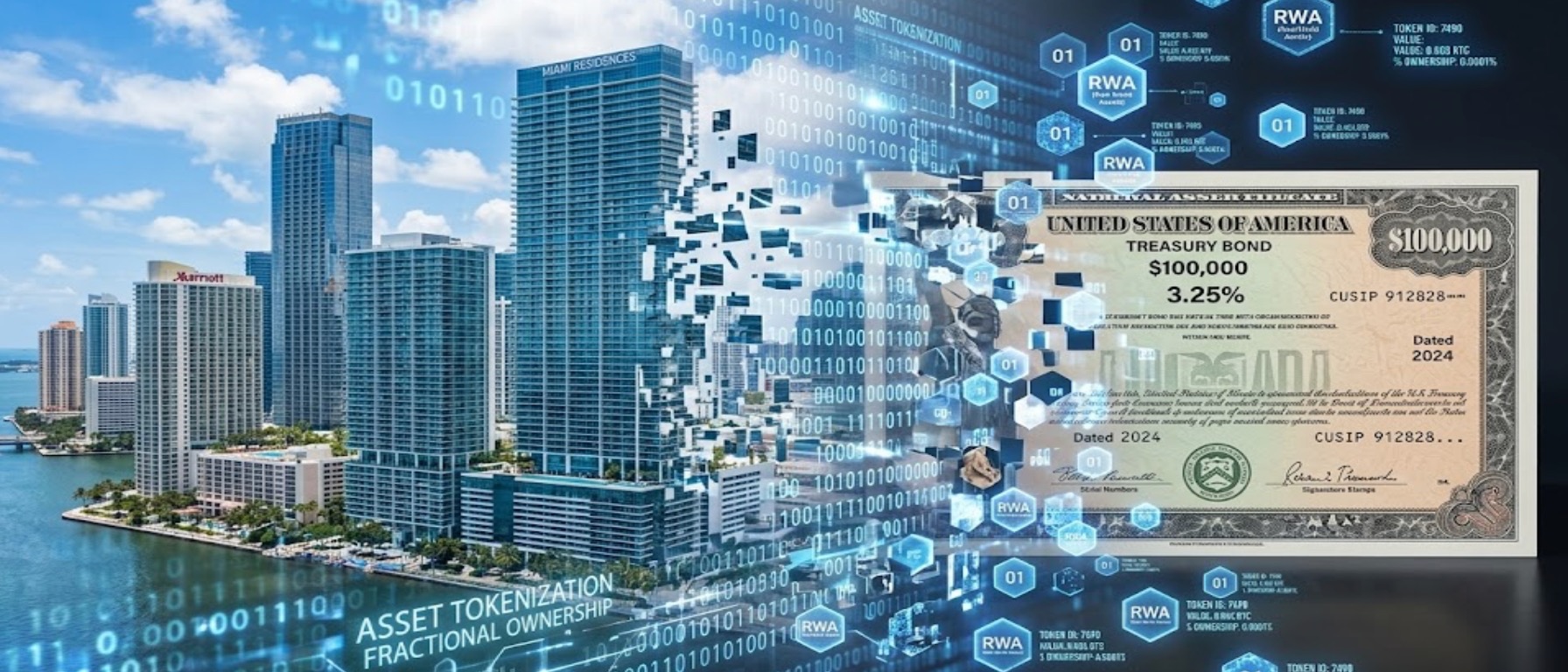
Forget the dense whitepapers. RWA simply means taking physical, off-chain assets—like real estate, U.S. Treasuries, corporate debt, or physical gold—and turning their ownership rights into digital tokens on a blockchain.
Why is Wall Street obsessed with this? It solves their massive liquidity and cost problems.
-
Fractionalization: You can't easily sell $500 worth of a Miami commercial high-rise or a private corporate loan. Tokenization splits these heavy, illiquid assets into bite-sized, highly tradable pieces.
-
Killing the Middleman: Because these tokens settle on smart contracts, they can be traded globally, 24/7, completely bypassing the brokers, clearinghouses, and banks that normally take a 3% cut of every transaction.
In short: RWA takes the multi-trillion-dollar traditional finance market and puts it on crypto rails.
Why Did the Market Cap Just Explode by 600%?
This wasn't a random crypto pump. It was a macroeconomic perfect storm.
-
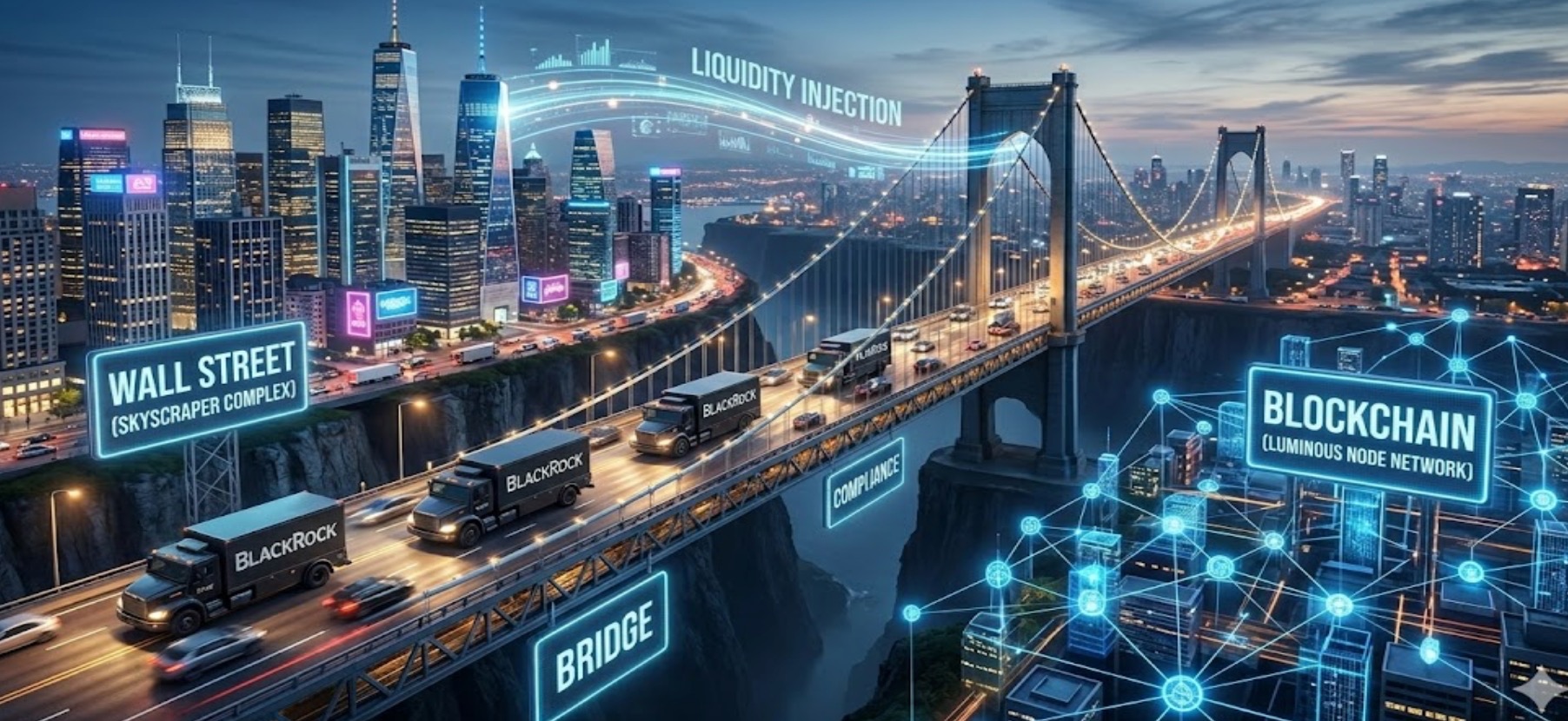
The BlackRock Trigger: When Larry Fink, CEO of the $10 trillion asset manager BlackRock, publicly called tokenization "the next generation for markets," people listened. They backed it up by launching their own digitized liquidity fund (BUIDL) on Ethereum. When BlackRock moves on-chain, the institutional herd follows.
-
The "Yield Bridge": We lived in a high-interest-rate environment for a long time. Crypto native funds and DAOs realized it was stupid to risk their capital in sketchy DeFi lending pools for a 3% return when they could just buy tokenized U.S. Treasuries and collect a risk-free 5% directly from the government. That demand created a massive "yield bridge" funneling billions on-chain.
-
The Compliance Tech Caught Up: Wall Street compliance officers hate permissionless networks. Over the last year, we finally saw the launch of purpose-built blockchains with Know Your Customer (KYC) and Anti-Money Laundering (AML) controls baked into the code. It is finally legally viable for sovereign wealth funds to hit the buy button.
Our RWA Watchlist
We don't trade narratives; we trade volume and on-chain utility. Based on where the capital is actually settling, here are the top infrastructure and issuer plays we are tracking.
1. Ondo Finance ($ONDO) If institutional money wants safe U.S. government yield on-chain, it usually flows through Ondo. They are the absolute heavyweight proxy bet for tokenized Treasuries. They take traditional yield products, structure them into tokenized pools, and let crypto investors park their cash safely.
2. Polymesh ($POLYX) Institutions cannot legally trade regulated corporate bonds on Ethereum—it's a compliance nightmare if you don't know who is on the other side of the trade. Polymesh is a Layer 1 blockchain built specifically for regulated securities. Think of it as the VIP compliance room for Wall Street.
3. Centrifuge ($CFG) Centrifuge is the pure-play for private credit. They tokenize invoices, mortgages, and SME (small and medium enterprise) loans. This allows crypto-native investors to earn high-yield returns from real-world debt that won't suddenly crash just because Bitcoin had a bad day.
4. MakerDAO ($MKR) Maker wrote the blueprint for this. They took the massive cash reserves backing their stablecoin and parked them in real-world bonds and corporate credit. They take the interest generated from TradFi, bring it on-chain, and use it to buy back and burn the MKR token. It is a literal value-accrual machine.
5. Chainlink ($LINK) You cannot have an RWA market without Chainlink. If a protocol issues a token claiming it's backed by a gold bar in London, the blockchain needs mathematical proof that the gold is actually there. Chainlink’s oracle feeds provide that off-chain verification. It is the ultimate "picks and shovels" monopoly.
6. RealT Physical real estate is famously hard to liquidate. RealT fractionalizes actual properties (like rental homes in Detroit and Chicago). The protocol uses smart contracts to collect the real-world rent and automatically airdrops the daily yield directly to the token holders.
7. Creditcoin ($CTC) Creditcoin is tackling uncollateralized lending, specifically in emerging markets. It logs loan histories permanently on a public ledger, essentially creating a decentralized credit score network that connects borrowers and lenders globally without a bank.
8. Maple Finance While other protocols try to attract retail users, Maple ignores them completely. Maple provides undercollateralized, on-chain credit markets strictly for massive institutions and market makers.
How We Are Executing
The RWA rotation isn't a fad; it's the structural plumbing of the 2026 financial system being built in real-time. But don't confuse "institutional adoption" with "zero risk." These utility tokens still trade with high beta to the rest of the crypto market.
Our desk strategy is simple: we aggressively bid the heavy infrastructure layers (like LINK and POLYX) during broader market bleed days, and we momentum-trade the yield and credit issuers (like ONDO and CFG) when we see sudden spikes in their Total Value Locked (TVL).
Ready to build your RWA exposure? Log in to your Tapbit terminal to check the spot order books and perpetual futures depth for the assets listed above. If you want to trade the RWA supercycle with institutional-grade matching, register your Tapbit account today.
Frequently Asked Questions (FAQ)
What exactly is an RWA token?
Cut the crypto jargon—RWA simply stands for Real-World Asset. It is the process of taking a physical or traditional financial asset (like a U.S. Treasury bond, a piece of real estate, or corporate debt) and turning its ownership rights into a digital token on the blockchain.
Why is Wall Street suddenly obsessed with tokenization?
Two reasons: liquidity and cost. Traditional finance is slow and expensive. Tokenizing a commercial high-rise or a private loan allows it to be fractionalized into affordable pieces and traded globally 24/7. It completely bypasses the brokers, clearinghouses, and banks that normally skim a 3% fee off the top of every transaction.
If I buy a token like $ONDO on an exchange, am I actually holding a U.S. Treasury bond?
No. This is a common misconception. When you trade $ONDO, $CFG, or $MKR on a crypto exchange, you are buying the utility or governance token of the protocol that builds the RWA infrastructure. Direct ownership of the actual tokenized securities or yield products usually requires strict institutional KYC/AML verification. You are betting on the protocol's success, not buying the bond itself.


