
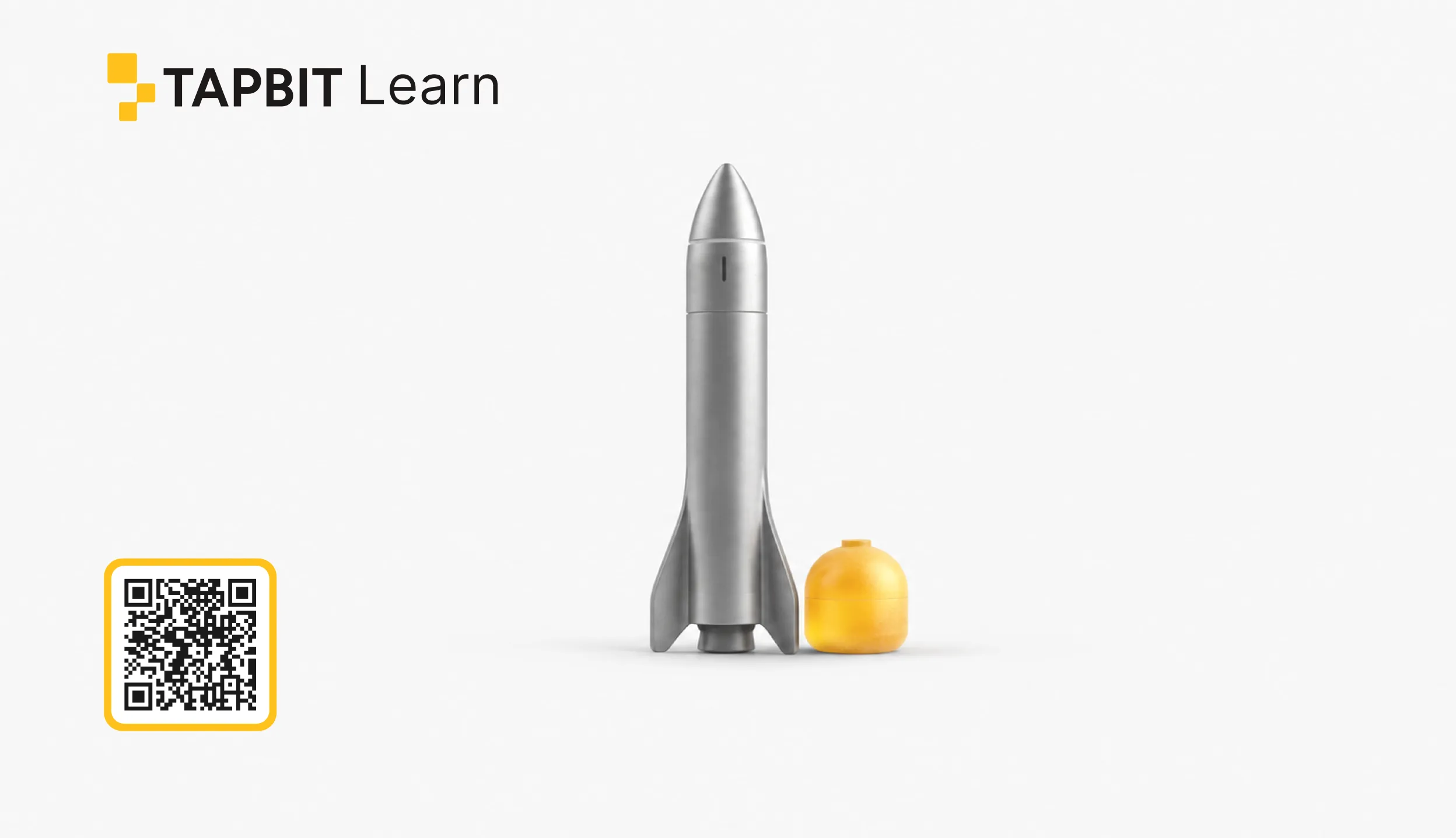
The Rocket Lab Neutron program has been delayed again. On October 14, 2026, Rocket Lab said the rocket’s inaugural launch was now expected in 2027, instead of the fourth quarter of 2026. The company cited a manufacturing issue involving a component in the first-stage propellant tank.
The delay does not mean Rocket Lab has cancelled Neutron. It does extend the wait for a first flight and pushes back the point when investors can judge the rocket in operation. The immediate question is whether the company can complete the remaining production and testing work on the updated schedule.
What caused the Rocket Lab Neutron delay?
Rocket Lab identified a problem with the manufacturing process for Neutron’s forward dome. The dome is part of the first-stage propellant tank, which must safely contain fuel and withstand the forces of launch.
Reports on the company’s update said engineers found small voids, or air pockets, in the tank dome cap. These defects can weaken the structure. Rocket Lab said it improved the manufacturing process and produced a replacement component. The company still needs to complete further production and testing before it can confirm a specific launch date.

A manufacturing problem in a critical tank structure is different from a minor schedule change. The tank is a core part of the rocket. Rocket Lab needs to confirm that the replacement and revised process meet the required standards before the vehicle can move toward flight. For this reason, the Rocket Lab Neutron update is both a schedule change and a test of the company’s manufacturing execution.
What is Neutron, and why does it matter?
Neutron is Rocket Lab’s planned reusable medium-lift rocket. Rocket Lab currently operates Electron, a smaller rocket used for satellite launches. Neutron is designed to carry larger payloads and give the company access to missions that Electron is not built to serve.
The difference is strategic. Electron gives Rocket Lab a place in the small-launch market. Neutron is intended to let the company pursue larger commercial and government missions. If the vehicle works as designed and can launch reliably, it could expand Rocket Lab’s potential customer base. Until it flies, however, those capabilities remain plans rather than demonstrated operating performance.

Neutron is therefore important to Rocket Lab’s growth story. Existing launch and space-systems operations continue to provide business activity, but Neutron represents a potential expansion of launch capacity. Investors are weighing that opportunity against the time, engineering work and capital required to bring a new rocket into service. More background on how market-linked products differ from company shares is available in Tapbit Learn’s guide to SpaceX-linked assets and its overview of traditional finance markets.
How did RKLB shares react?
Rocket Lab shares fell after the company announced the revised schedule. Reuters reported a decline of about 6% in extended trading after the October 14 update. The Wall Street Journal later reported that the stock fell 6.6% on October 15. Those figures refer to different trading windows, so they should not be added together.
The market reaction reflects concern about execution and timing. A later first launch can delay commercial missions and push expected revenue further into the future. Investors may also ask whether the new manufacturing process will prevent similar issues in other components. When a company is developing a major new product, a delay can affect confidence even if demand for the eventual product remains intact.

The decline does not prove that Neutron lacks long-term potential. It shows that investors place value on the schedule as well as the rocket’s eventual capabilities. Another delay could put further pressure on confidence; successful testing could help rebuild it. The near-term focus is now on evidence of completed engineering work rather than broad statements about future demand.
What happens before the first flight?
Rocket Lab has said that remaining production and testing steps come before a new launch date can be set. CEO Peter Beck said the program was balancing the timing of the first launch with the goal of building a reliable rocket for future missions. Reports on the company presentation said the full first-stage tank was expected to be assembled and tested in the first quarter of 2027.
- Complete the replacement dome and related production work.
- Assemble the first-stage tank.
- Test the tank and resolve any remaining issues.
- Set a more specific first-launch window.
Each step provides more information than a broad target year. A firm launch date will be more useful once the company has completed the major tests. If testing reveals another issue, Rocket Lab may need to adjust the timeline again. If the tank passes and the remaining vehicle integration proceeds smoothly, confidence in the 2027 target may improve.
What could the delay mean for Rocket Lab?
The Rocket Lab Neutron delay creates three possible paths for investor expectations.
- Schedule recovery: The replacement component performs as expected, the tank passes testing and Rocket Lab sets a clear launch window for 2027. That would support the view that the delay addressed a specific manufacturing issue.
- Gradual progress: Testing continues without a major failure, but the company waits to give a precise date. Investors may remain cautious until more milestones are complete.
- Further delay: Testing or production uncovers additional issues. That could move the launch beyond 2027 and extend the period before Neutron can support commercial missions.
These are possible outcomes, not price targets. Rocket Lab has confirmed the new target year, but it has not announced an exact first-flight date. The company’s October 14 update is the source for the revised schedule.
What should RKLB investors watch now?
The next useful updates should include specific engineering progress:
- Whether the updated manufacturing process produces consistent components.
- Whether the first-stage tank is assembled and tested on schedule.
- Whether Rocket Lab announces a firm launch window after those tests.
- Whether Electron and space-systems operations continue to progress while Neutron remains in development.
In short, the Rocket Lab Neutron delay shifts the near-term story from launch timing to execution milestones. A successful tank test would be a meaningful step, while another production setback would make the schedule harder to trust. Readers can follow more market and asset coverage through Tapbit Learn or create a Tapbit account for new platform updates.
Sources
- Rocket Lab: Neutron development and launch timing update
- Reuters: Rocket Lab pushes Neutron debut to 2027
- The Wall Street Journal: October 15 stock moves
FAQ
When is Rocket Lab Neutron expected to launch?
Rocket Lab now expects Neutron’s first launch in 2027. The company has not yet confirmed a specific date.
Why was the launch delayed?
The company identified a manufacturing issue involving the forward dome of the first-stage propellant tank and needed more time for production and testing.
Has Rocket Lab cancelled Neutron?
No. The company is continuing the development program and has moved the expected first launch to 2027.
What is the next major milestone?
Completion of the first-stage tank assembly and testing should provide a clearer view of the launch schedule.


