
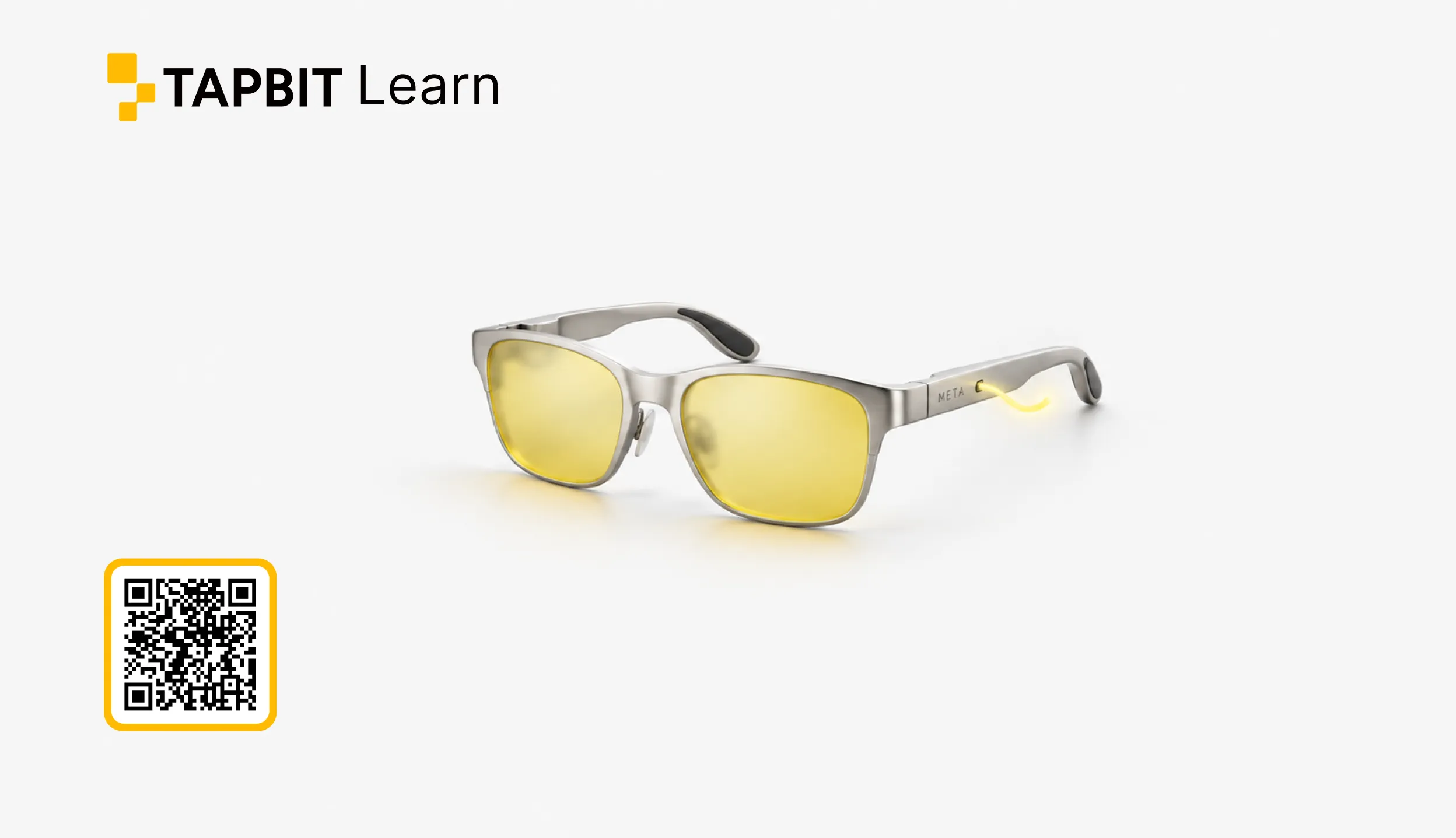
Meta Connect 2026 showed how Meta wants to combine a personal AI agent with glasses that people can wear throughout the day. The company expanded Muse, introduced Ray-Ban Meta Audio, upgraded Ray-Ban Meta to Gen 3 and revealed Meta VR Glasses for 2027.
For META stock, the central question is whether these products turn AI engagement into repeatable revenue. Hardware sales are one path. Muse subscriptions, commerce connectors, developer services and higher engagement across Meta's apps provide additional paths. Investors will now look for adoption data that connects the announcements with future revenue and margins.
What Was Announced at Meta Connect 2026?
Meta Connect 2026 covered both software and hardware. Muse became the link between the two: the agent is moving from phones and computers into AI glasses, while expanded connectors allow it to complete more tasks across shopping, travel and work services.
| Announcement | Main details | Why it matters |
|---|---|---|
| Muse expansion | Realtime voice, avatar technology, glasses access, Mac app and more connectors | Creates more usage occasions and potential subscription value |
| Ray-Ban Meta Audio | 43 grams, up to 12 hours of battery life, starts at $349 | Moves Meta into a lighter audio-first glasses category |
| Ray-Ban Meta Gen 3 | Starts at $449, up to nine hours of battery, 12 MP camera and 3K video | Refreshes Meta's best-known AI-glasses line |
| Expanded glasses portfolio | More than 100 options across Ray-Ban, Oakley and Meta Glasses by year-end | Broadens price points, styles and geographic reach |
| Meta VR Glasses | About 100 grams, 5K display, $1,299.99, planned for spring 2027 | Extends Meta's spatial-computing hardware strategy |
How Did Meta Expand Muse?
Muse is Meta's personal AI agent. At Connect, Meta presented it as a system that can maintain longer voice conversations, work in the background and complete tasks across connected services.
The main additions included:
- Realtime voice: Users can hold longer conversations and adjust the agent's speaking style.
- Realtime Avatar: Meta Superintelligence Labs introduced technology that gives the voice agent an interactive visual form.
- Muse on AI glasses: The agent can respond to what the wearer sees, reducing the need to describe an object or sign verbally.
- Muse for Mac: With permission, Muse can work with applications and continue assigned tasks in the background.
- More connectors: Meta added shopping, payment, travel and work integrations involving companies such as Walmart, PayPal, Expedia, GitHub and Box.
Those connectors are important because an AI agent becomes more useful when it can act rather than only answer questions. They also create a possible business model around subscriptions, transactions and partner distribution.
What Is Ray-Ban Meta Audio?
Ray-Ban Meta Audio is Meta's first audio-glasses product. It combines open-ear sound, calls and hands-free AI without making the camera the main feature.
Meta said the glasses weigh 43 grams and provide up to 12 hours of battery life, with up to another 48 hours from the charging case. The product starts at $349 and is scheduled to ship on October 13. Two styles—Clubmaster and Burbank—are available across 23 color and lens combinations.
The audio-first design expands Meta's addressable audience. Some buyers may want music, calls and AI assistance but prefer a product without a camera-centered experience. That can make the glasses easier to use throughout a full day.
What Changed in Ray-Ban Meta Gen 3?
Ray-Ban Meta Gen 3 starts at $449 and is available in Aviator, Zena and Wayfarer styles. Meta increased battery life to as much as nine hours and added a customizable action button for faster access to Meta AI.
The new model also includes a six-microphone array designed to reduce more than 90% of background noise, a 12 MP camera and 3K video recording. Meta positioned Gen 3 as a more comfortable and capable version of its established glasses line rather than an entirely new category.
For META stock, Gen 3 matters because it provides a near-term hardware product that can produce sales before the more ambitious VR Glasses arrive in 2027.
What Are Meta VR Glasses?
Meta VR Glasses are a lightweight spatial-computing device planned for spring 2027. Meta set the starting price at $1,299.99 and described a roughly 100-gram glasses design with a 5K micro-OLED display.
The battery and processor sit in a separate pack that can be worn on a belt or carried in a pocket or bag. That two-part design reduces weight on the face. Eye tracking and hand gestures replace traditional controllers, while supported applications can turn the glasses into a large virtual cinema or multi-panel workspace.
This device targets a different customer from the everyday Ray-Ban line. The higher price and immersive display make it closer to a premium computing platform. The adoption indicators will therefore include developer support, productivity uses and repeat engagement, not only unit sales.
Why Does Meta Connect 2026 Matter for META Stock?

Meta Connect 2026 matters because it offered investors several ways to connect AI investment with potential revenue.
Muse can add subscription revenue
Muse launched with free and paid tiers. Reuters reported that the service reached 2.8 million downloads in its first 12 days. Analysts have focused on how many users remain active and how many move to paid plans.
One analyst scenario cited by Reuters estimated $10.8 billion in annualized revenue if Muse reached 1 billion users by the end of 2027 and converted at least 3% to a paid version. That is a scenario based on adoption assumptions, not reported revenue. The next useful data will be active users, subscriber conversion and retention.
AI glasses create hardware and ecosystem revenue
Meta is expanding from a few eyewear products to more than 100 options by year-end. More styles, prices and markets can increase unit sales, while regular software updates can keep the installed base active.
Hardware growth also affects costs. Investors will compare sales growth with component expenses, partner economics and gross margin. Privacy controls and visible recording indicators can influence consumer acceptance as glasses reach more markets.
Connectors can turn Muse into a transaction layer
Shopping, payments, travel and work integrations allow Muse to complete tasks across outside services. If users rely on those functions, Meta could build a wider platform around discovery, transactions and developer tools.
This strategy also depends on partner access. The most important measure is not the number of announced connectors by itself, but how often people use them and whether partners continue to support deeper integrations.
How Did META Stock React?
META traded near $744.10 at 09:27 UTC on September 24, about 1.02% above its previous close. The company's market capitalization was approximately $1.91 trillion at that snapshot.
The event followed a larger September rally. Reuters reported that Meta shares had gained more than 20% after Muse launched on September 8, adding about $200 billion in market value. The Connect announcements therefore arrived after investors had already raised expectations.
That starting point makes future operating data important. A popular product announcement can attract attention, while quarterly results must show whether engagement becomes revenue. The same distinction applies across the broader AI stock market, where strong demand still has to appear in orders, sales and margins.
What Should META Traders Watch Next?
- Muse usage: Downloads, active users, paid conversion and retention.
- AI-glasses demand: Preorders, shipment growth, regional launches and product mix.
- Hardware margin: Whether volume growth offsets components and partner costs.
- Connector activity: How often users complete shopping, travel or work tasks through Muse.
- AI infrastructure spending: Meta's computing investment can support product growth while influencing near-term cash flow.
- Privacy and consent features: Clear controls can help Meta expand wearable adoption across regions.
Investors can also compare Meta's consumer-AI strategy with other major platforms. Tapbit Learn's Google stock and AI spending analysis provides a useful comparison between product adoption and infrastructure costs.
How to Trade META-USDT Futures on Tapbit

- Step 1 — Prepare the account: Register on Tapbit or log in, complete the security setup shown on the platform, and transfer or deposit USDT to the futures balance.
- Step 2 — Open and configure META-USDT: Go to the META-USDT perpetual futures market, confirm the symbol, then choose the available margin mode and leverage.
- Step 3 — Build the order: Choose Long or Short, select a market or limit order, enter the position size, and add take-profit and stop-loss levels if needed.
- Step 4 — Review and manage: Check the contract, direction, entry price, margin, fees and liquidation price; place the order, monitor it under Positions, and use Close when you want to exit.
META-USDT provides derivatives price exposure; it does not place Meta Platforms shares in a brokerage account.
Meta Connect 2026 FAQ
What were the biggest Meta Connect 2026 announcements?
The main announcements were expanded Muse capabilities, Ray-Ban Meta Audio, Ray-Ban Meta Gen 3, a portfolio of more than 100 AI-glasses options and Meta VR Glasses for 2027.
How much does Ray-Ban Meta Audio cost?
Ray-Ban Meta Audio starts at $349. Meta said preorders opened at the event and shipments are scheduled for October 13.
How much does Ray-Ban Meta Gen 3 cost?
Ray-Ban Meta Gen 3 starts at $449 and was made available on September 23, 2026.
When will Meta VR Glasses launch?
Meta plans to release Meta VR Glasses in spring 2027, starting at $1,299.99.
Why can Meta Connect affect META stock?
The event changes expectations for AI subscriptions, hardware sales, platform partnerships and infrastructure spending. Quarterly adoption and revenue data determine how much of that potential reaches financial results.


