

Most perp traders stare at the chart. That is normal. Price is the first thing everyone watches. But in perpetual futures, price is only part of the trade.
Funding fees can matter just as much. They do not look scary at first. A small percentage every few hours. A number sitting quietly next to the contract. Easy to ignore.
Then the position stays open longer than expected. Funding keeps getting charged. The market goes sideways. The trade is not wrong, but the PnL keeps getting worse.
That is when traders realize funding was never a small detail.
What Funding Really Does
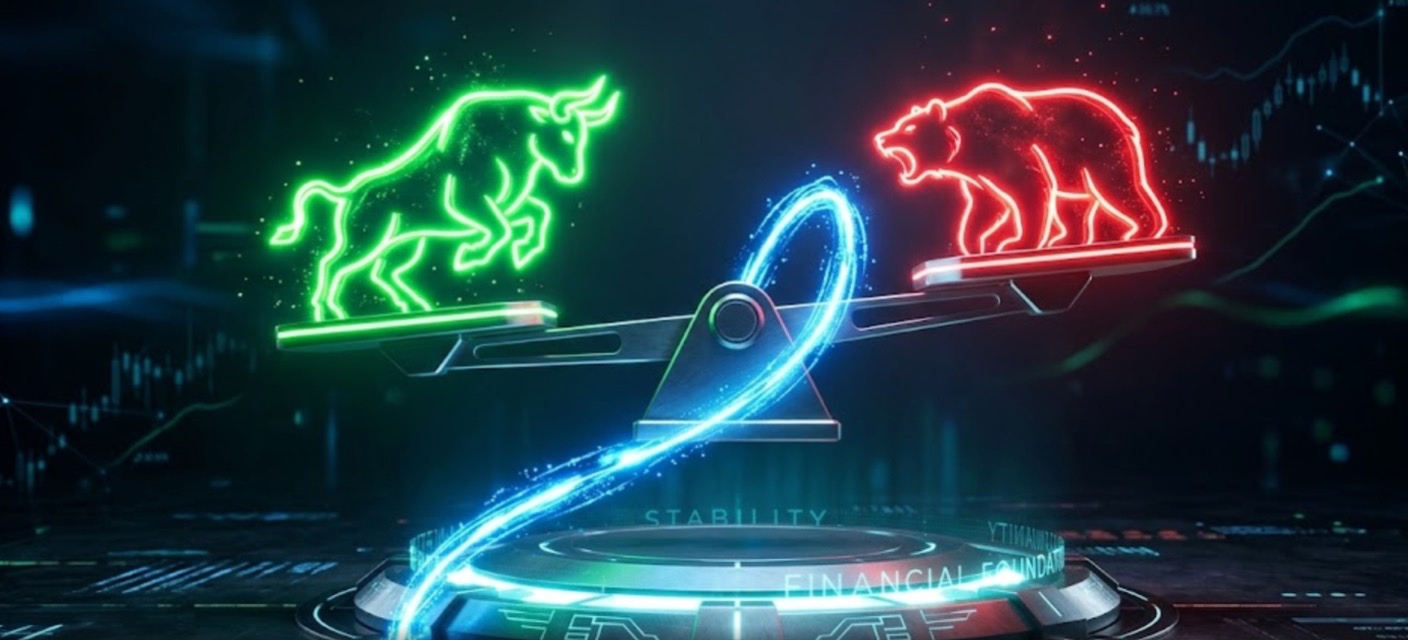
Funding fees are payments between longs and shorts.
When funding is positive, longs usually pay shorts.
When funding is negative, shorts usually pay longs.
The exchange is not simply taking this fee as income. In a normal perp setup, funding moves between traders on opposite sides of the market.
The reason it exists is simple: perpetual futures do not expire. A traditional futures contract has an expiry date, so the price eventually comes back toward the underlying asset. Perps do not have that natural settlement point. Without funding, the perp price could drift too far away from spot.
Funding is the mechanism that pulls it back. If perps are trading above spot, longs become more expensive to hold. If perps are trading below spot, shorts become more expensive to hold. Over time, that pressure helps keep the contract closer to the real market.
It is not perfect. But without it, perp markets would be much messier.
Why Traders Should Not Ignore It
A lot of traders treat funding like background noise. That is a mistake. If you are holding a large leveraged position, funding can become a real cost. It can eat into profit, increase pressure on margin, and make a trade harder to hold even when price has not moved much against you.
This is especially painful during crowded trends. When everyone wants to be long, funding can rise quickly. You may still be bullish, but now you are paying extra just to stay in the trade. If price stalls, that cost starts to hurt. The same thing happens on the short side when funding turns deeply negative.
Funding is not just a fee. It is a signal that tells you how crowded one side of the market has become.
Funding Can Also Be an Opportunity
There is another side to it. If you are receiving funding, it can become part of the trade. Some traders build strategies around this. For example, they may hold spot while shorting perps, trying to collect positive funding while reducing price exposure. This is often called a basis or cash-and-carry style trade.
But it is not free money. Funding can flip. Spreads can move. Liquidity can disappear. Execution can be poor. Exchange risk still exists. And if leverage is involved, one bad move can wipe out several funding payments.
So yes, funding can create opportunities. But only if the trader understands the risks behind the yield.
High Funding Usually Means a Crowded Trade
Funding rates can tell you a lot about market mood.
When funding is strongly positive, longs are crowded. Traders are paying to stay bullish. That can happen in a strong uptrend, but it can also mean the market is getting overheated.
When funding is strongly negative, shorts are crowded. Traders are paying to stay bearish. If price suddenly turns higher, those shorts can be forced out quickly.
That is why funding works best when read together with open interest, volume, liquidations, and price action. Funding alone is not a buy or sell signal. But it can warn you when a trade is getting too one-sided.
The Problem With Sudden Funding Spikes
Not every funding move reflects real market pressure.
Sometimes rates jump because of a quick wick, thin order book, or temporary price mismatch. That is frustrating for traders because the funding cost can feel random. This is why exchanges have been trying to make funding models more stable.
The goal is not to remove funding. Funding is necessary. The goal is to make it less sensitive to short-lived noise and more reflective of real demand between longs and shorts.
More stable funding means fewer surprises. It also makes it easier to plan the cost of holding a position. In a market already full of volatility, the cost of staying in a trade should not feel like another random liquidation trap.
Funding and Liquidation Risk
Funding can also push traders closer to liquidation. When you pay funding, your available margin can decline. If the position is highly leveraged, repeated funding payments can slowly reduce your buffer.
This is one of the quieter ways traders get into trouble.
They look at the chart and think, “Price barely moved against me.” But their margin has still been shrinking. That is why high leverage plus high funding is a dangerous mix. The longer the position stays open, the more funding matters.
Bottom Line
Funding fees are easy to ignore until they start costing real money.
They keep perp prices closer to spot, show when a trade is crowded, and directly affect PnL and margin. For leveraged traders, funding can be the difference between a strong setup and a slow bleed.
The better way to think about funding is simple: it is the cost of staying in the trade.
Entry matters. Exit matters. Direction matters. But in perpetual futures, holding the position has a price too. That price is funding — and smart traders check it before the market makes them pay for ignoring it.
Traders can follow more market updates on Tapbit, log in, or register to stay connected with global crypto opportunities.
Frequently Asked Questions (FAQ)
What are funding fees in crypto perpetual futures?
Funding fees are periodic payments between long and short traders in perpetual futures markets. They help keep the perpetual contract price close to the spot price of the underlying asset.
Does the exchange collect funding fees?
In a standard perpetual futures model, the exchange does not collect funding as platform revenue. Funding is paid between traders. When funding is positive, longs usually pay shorts. When funding is negative, shorts usually pay longs.
Why do perpetual futures need funding fees?
Perpetual futures do not have an expiry date. Without funding, their prices could drift far away from spot prices. Funding creates a cost-and-reward mechanism that encourages traders to push the perp price back toward the spot market.


