
P2P trading looks simple from the outside. Someone wants to buy crypto. Someone else wants to sell. The platform holds the crypto, the buyer sends the money, the seller confirms, and the trade is done.
In real life, P2P trading can be smooth, but it can also become messy fast if traders do not understand what they are doing. The price may look attractive. The payment may arrive quickly. The counterparty may seem polite. Then one small detail goes wrong: the bank name does not match, the payment comes from a third party, the buyer asks to move the chat to Telegram, or the seller pushes for an early release.
That is where most problems begin. P2P is useful because it gives traders flexible access to local payment methods. It is risky because every trade depends on another person and the source of their funds. That is the part beginners often underestimate.
What P2P Trading Actually Means
P2P means peer-to-peer. In crypto, it means users trade directly with each other instead of buying through a normal exchange order book. A buyer chooses a seller, agrees to the price and payment method, then completes the fiat payment outside the crypto platform.
The platform usually provides escrow. That means the seller’s crypto is locked during the trade. The buyer pays. The seller confirms the money has arrived. Then the platform releases the crypto to the buyer.
Escrow is the reason P2P works. It prevents the seller from taking the money and disappearing with the crypto. It also prevents the buyer from claiming they paid when they did not. It gives both sides a basic layer of protection.
But escrow does not protect users from every mistake. It cannot make a dishonest trader honest. It cannot guarantee that the fiat money is clean. It cannot save someone who releases crypto before checking the payment properly.
The platform helps.
The trader still has to think.
Why People Use P2P
People use P2P because it solves real problems.
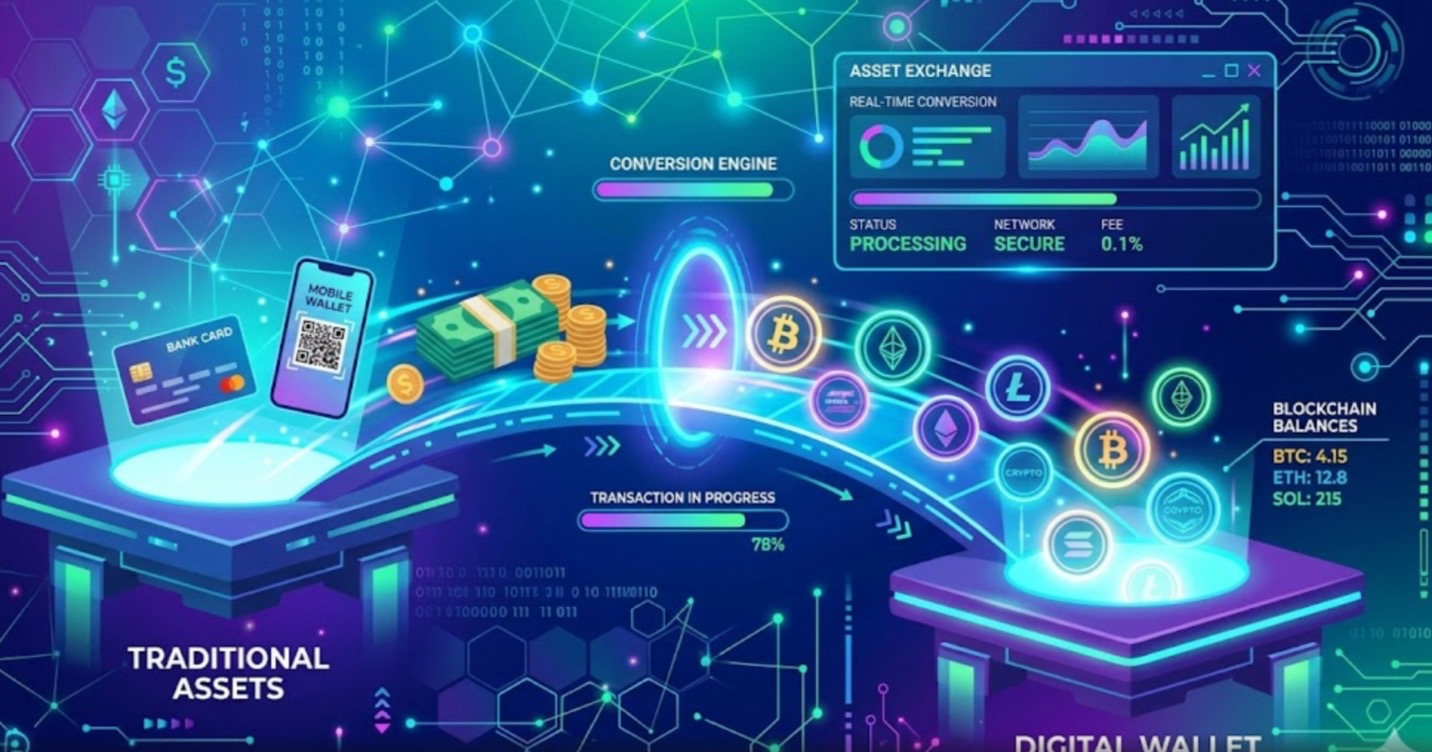
In some markets, direct bank deposits to crypto exchanges are limited. In others, users prefer local payment methods that are faster or more familiar. Some traders want USDT quickly. Some want to cash out into local currency. Some want more control over price and payment terms.
P2P gives them that flexibility.
It can also offer more payment choices than a standard fiat gateway. Depending on the region, users may see bank transfers, instant payments, mobile wallets, cash deposits, or other local methods.
That is the good side.
The difficult side is that P2P is not instant exchange trading. It is a human-to-human transaction. The other person’s behavior matters. Their payment account matters. Their trading history matters.
A slightly better price is not always worth a bad counterparty.
How a Normal P2P Trade Works
A typical P2P trade follows a simple pattern. The buyer chooses the asset, usually something liquid like USDT, BTC, or another major token. Then the buyer selects the local currency and payment method.
After that, they compare sellers. This step matters more than beginners think. Price is important, but it should not be the only thing to check. A seller with strong trade history, high completion rate, clear terms, and consistent feedback is usually safer than a stranger offering the best price.
Once the buyer starts the order, the platform locks the seller’s crypto. The buyer sends the fiat payment using the agreed method. Then the buyer marks the order as paid. The seller checks the payment. If everything matches, the seller confirms and the crypto is released.
That is how the process should work.
Most disputes happen because someone skips a step, rushes the process, or agrees to something outside the order.
The Biggest Risk Is Not Always Price
Many new traders worry about whether USDT will move a few cents. That is not usually the biggest P2P risk.
The bigger risk is bad funds. A trader may receive money from a stolen account, a mule account, a scam victim, or a third-party payment source. The trade may look completed on the platform, but the fiat side can later create problems.
This is why some P2P users face bank account freezes or payment investigations. They may not have planned to do anything wrong. But if their account receives suspicious funds, the bank or payment provider may still flag the transaction.
That is why serious P2P traders care about clean payment flow. They do not only ask, “Did the money arrive?” They ask, “Who sent it?”
Stay on the Platform
Another simple rule: keep everything inside the platform. Do not move the conversation to Telegram, WhatsApp, or private messages. Do not accept new payment details outside the order. Do not agree to a different amount after the trade starts.
When everything stays inside the platform, there is a record. The order history, chat log, payment proof, and dispute process are all connected.
Once the conversation moves outside, your protection becomes weaker. A common scam starts with a friendly message: “Let’s continue on Telegram, I can give you a better rate.” That better rate can become a very expensive mistake.
Watch the Name on the Payment
Name matching is one of the most important checks in P2P trading.
The person paying should be the same verified user in the order. If the payment comes from another name, another company, or a random third-party account, stop and think.
Third-party payments create risk. They may involve stolen accounts, scam proceeds, gambling funds, or someone using you as a pass-through account. Even if the money arrives, it may not be safe to accept.
Clean P2P trading means clean counterparties and clean payment accounts. Do not ignore a name mismatch just because the rate is good.
What Experienced P2P Traders Do Differently
Experienced P2P traders usually care less about the best headline price and more about consistency.
They prefer reliable counterparties. They track payment methods. They avoid suspicious premiums. They manage account limits. They keep records. They know which local banks or payment channels create more problems.
Most importantly, they know when not to trade. If the market is full of suspicious offers, if banks are freezing accounts, or if counterparties are behaving strangely, doing nothing can be the best decision.
Good P2P trading is not about taking every opportunity. It is about avoiding bad ones.
Bottom Line
P2P trading is one of the most useful tools in crypto because it connects digital assets with local payment systems.
It helps users buy and sell USDT, BTC, and other assets in markets where direct fiat access may be limited or inconvenient.
But useful does not mean risk-free. The main risk in P2P is not just price movement. It is the counterparty, the payment source, the account name, the platform process, and the user’s own discipline.
The best P2P traders are not the ones who always chase the highest premium. They are the ones who complete clean trades and avoid bad situations.
Use escrow. Stay on the platform. Check the payment name. Do not release early. Avoid suspicious prices. Start small. Keep records. And remember: in P2P trading, safety matters more than a slightly better rate.
Traders can follow more trading guides on Tapbit, log in, or register to stay connected with global crypto opportunities.
Frequently Asked Questions (FAQ)
What is crypto P2P trading?
Crypto P2P trading means buying or selling cryptocurrency directly with another user. Instead of using a normal exchange order book, buyers and sellers agree on price, amount, and payment method through a P2P platform.
How does P2P trading work?
A buyer selects an offer, the platform locks the seller’s crypto in escrow, the buyer sends fiat payment, and the seller confirms receipt. Once payment is confirmed, the platform releases the crypto to the buyer.
What is escrow in P2P trading?
Escrow is a protection mechanism where the platform temporarily holds the seller’s crypto during the trade. It helps prevent the seller from disappearing after receiving payment and helps prevent the buyer from falsely claiming payment.


