

Washington has spent years debating how cryptocurrency should fit within US financial law. On September 15, that debate reaches another important test.
The Senate is scheduled to vote on whether to begin considering the Digital Asset Market Clarity Act, commonly known as the CLARITY Act. President Donald Trump has urged Congress to pass the legislation, while crypto companies argue that it would replace regulatory uncertainty with clearer federal rules.
Yet the bill enters the vote without an obvious path to the 60 votes it needs. A dispute over political ethics, including restrictions on digital asset activity involving senior government officials and their families, continues to divide lawmakers.
The approaching vote matters, but it is not a final decision on the bill. It is a test of whether the legislation still has enough bipartisan support to remain viable in 2026.
What Happens on September 15?
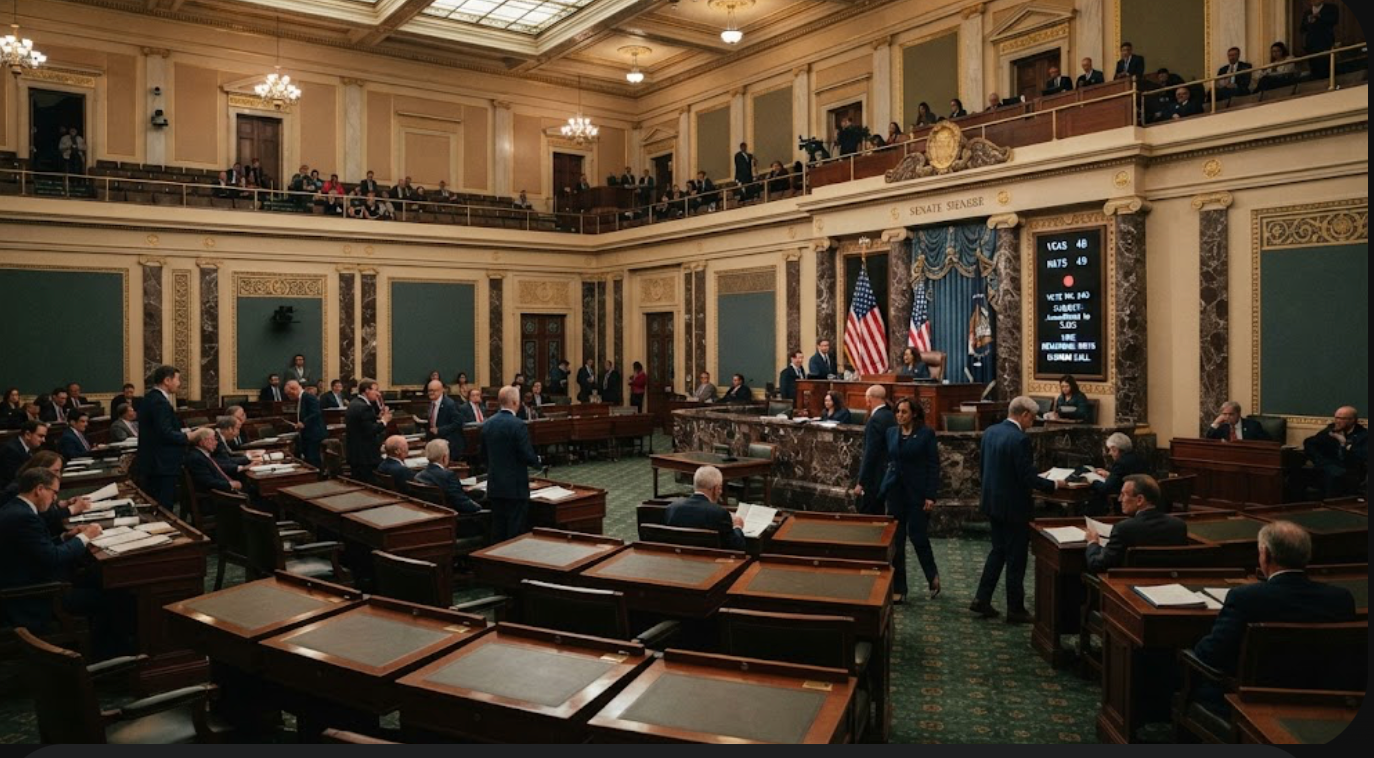
The US Senate Daily Press Gallery says the cloture motion covering H.R. 3633 will come up at 2:15 p.m. Eastern Time on September 15.
This is a procedural vote on whether the Senate should move forward with debate. It is not a vote to send the CLARITY Act directly to the president.
The motion requires 60 votes. Republicans therefore need support from several Democrats, and that support has not been secured.
If the motion fails, the bill will not automatically disappear. Senate leaders could return to negotiations or try again with revised language. The practical problem is time: the congressional calendar is becoming increasingly crowded ahead of the US midterm elections.
Even if the motion succeeds, several stages remain. The Senate must debate and pass the legislation, differences with the House version must be resolved, and the final text must receive presidential approval.
What the CLARITY Act Would Change
The CLARITY Act is intended to establish a federal market structure for digital assets. Its central task is to define when a crypto asset falls under securities law and when it can be regulated as a digital commodity.
Under the proposed framework, the Commodity Futures Trading Commission would receive greater authority over qualifying digital commodity markets. The Securities and Exchange Commission would retain responsibility for securities and investment contracts.
That division could affect exchanges, brokers, token issuers, custodians and blockchain developers. It may also influence how crypto companies register, disclose information and offer assets to US customers.
Supporters argue that legislation would be more durable than guidance issued by individual regulators. SEC or CFTC policy can change when an administration changes. A law passed by Congress would be harder to reverse.
The Senate Banking Committee advanced its version of the legislation in May, describing it as a framework for customer protection, digital commodity oversight and clearer registration requirements. Democrats on the committee have disputed that description, arguing that the current text leaves gaps in securities enforcement, consumer protection and illicit-finance controls.
Why the Bill Could Fail
The latest reporting points to political ethics as the immediate problem. On September 8, Semafor reported that Republican senators were warning the bill could fail unless the White House helped close the gap over ethics language. Democrats want stronger restrictions preventing presidents, senior officials and their families from profiting from digital asset ventures while in office.
The issue is especially sensitive because Trump and members of his family have financial interests connected to crypto businesses. Democrats argue that passing industry legislation without enforceable conflict-of-interest rules would weaken public trust.
The disagreement extends beyond ethics. Lawmakers are still debating stablecoin rewards, anti-money-laundering provisions, investor protection and the scope of CFTC authority.
One obstacle did ease in early September. The National Sheriffs’ Association, which had opposed the legislation over illicit-finance concerns, changed its position to neutral. That removed one source of pressure but did not solve the dispute holding up bipartisan support.
The result is an unusual situation: the White House, industry leaders and Republican committee chairs all want legislation, yet the bill may still fall short because they have not agreed on the conditions required to attract Democratic votes.
What Came Out of the White House Crypto Meeting?
Trump hosted crypto, finance and technology executives at the White House on August 19. Attendees included representatives from Coinbase, Robinhood, Kraken, Ripple and Intercontinental Exchange, alongside senior federal regulators.
During the event, Trump called for Congress to pass what he described as a fair version of the CLARITY Act. The meeting confirmed that crypto market structure remains part of the administration’s policy agenda. Reuters reported that the administration wants to give digital asset businesses clearer legal ground in the United States.
The meeting did not resolve the Senate vote count. Public support from the president may strengthen Republican commitment, but it does not replace the Democratic votes needed to clear the procedural hurdle.
That difference is important for traders. A supportive statement can improve market sentiment. It cannot enact legislation.
Did the White House Meeting Push Bitcoin Higher?
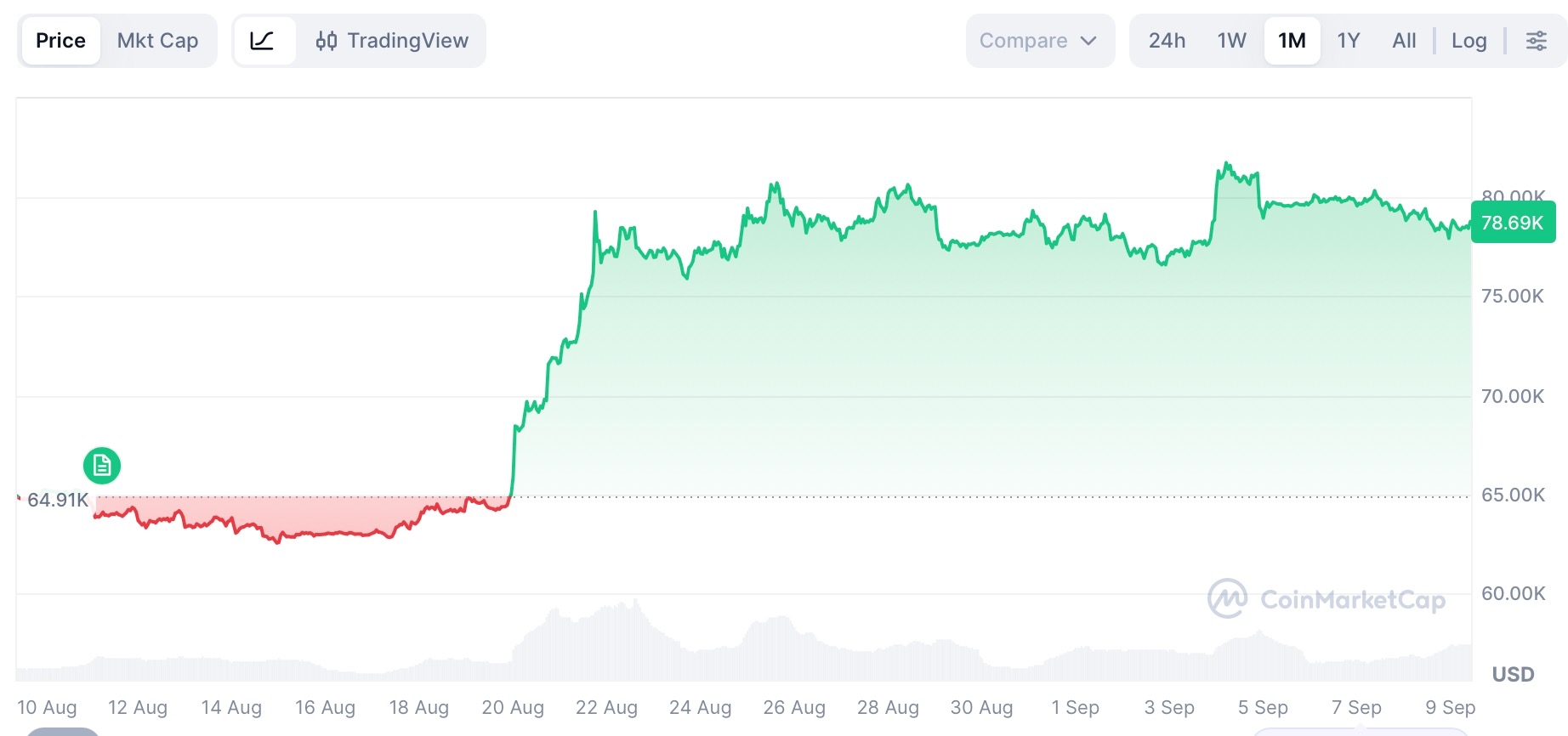
Bitcoin’s move above $70,000 took place around the same period as the White House meeting, making the two events easy to connect. The market evidence suggests a broader explanation.
The US Treasury had announced larger purchases of longer-dated government bonds. Yields and the dollar moved lower, while stocks, gold and Bitcoin rose. Bearish crypto positions were then forced to close as Bitcoin broke out of its previous range, adding momentum to the rally.
An Associated Press market analysis identified Treasury-market developments, dollar weakness and short liquidations as major parts of the move. Expectations of more favorable crypto regulation provided another source of support, but they were not the only catalyst.
Spot Bitcoin ETF inflows have also improved, creating a more measurable source of demand than political headlines alone.
The CLARITY Act can influence sentiment because clearer regulation may make it easier for traditional financial institutions to evaluate crypto custody, trading and compliance. Its passage would not remove Bitcoin’s exposure to interest rates, liquidity conditions, ETF flows or broader risk appetite.
How the Vote Could Affect the Crypto Market
A successful procedural vote would keep the bill alive and show that Senate leaders have assembled at least a temporary bipartisan coalition. Bitcoin and crypto-related stocks could respond positively, particularly if the result is accompanied by evidence of a workable ethics agreement.
That would still be progress rather than final passage. Markets could give back an initial rally if negotiations break down during the amendment process.
A failed vote would reinforce the view that comprehensive market structure legislation is unlikely to become law before the midterm elections. The immediate reaction could be negative, especially for assets and companies viewed as dependent on clearer US rules.
The effect may be limited if traders have already priced in poor passage prospects. Federal agencies can also continue developing crypto policy under their existing authority, although agency rules do not offer the same permanence as legislation.
For Bitcoin, the response will depend on what else is happening in the market. ETF demand, Treasury yields and the dollar may matter more than the vote once the initial volatility passes.
The September Vote Is a Starting Point
The CLARITY Act has reached the Senate floor process, but its future remains uncertain. White House support has kept the issue visible. It has not produced the bipartisan agreement required for passage.
September 15 will show whether lawmakers are prepared to begin formal debate. It will not settle every question surrounding US crypto regulation, nor will it guarantee a particular outcome for Bitcoin.
The clearest signal would be more than a successful procedural vote. It would be an enforceable compromise capable of surviving the Senate, the House and the political pressure surrounding digital asset regulation.
Market participants can follow Bitcoin and broader crypto developments through Tapbit. Existing users can access their accounts through the Tapbit login page, while new users can register here.
Frequently Asked Questions
What is the CLARITY Act?
The CLARITY Act is proposed US legislation designed to create a federal regulatory framework for digital assets. It seeks to clarify the respective responsibilities of the SEC and CFTC and establish requirements for crypto market intermediaries.
Is the Senate voting to pass the CLARITY Act on September 15?
No. The scheduled vote is a cloture vote on the motion to proceed. It determines whether the Senate can begin considering the bill. Final passage would require additional debate and voting.
How many votes does the CLARITY Act need?
The September 15 procedural motion requires 60 votes. Republicans need support from Democratic senators to reach that threshold.


