Let's be real. The beauty of crypto is that you can send money across the globe in seconds without a bank asking questions. But that exact feature is a double-edged sword.
Because blockchain transactions are irreversible, there are no chargebacks and no branch managers to call when things go wrong. Scammers know this, which is why "crypto remittance scams" have become one of the most profitable fraud models in 2026. If you spend any time in Web3, you will eventually be targeted by one of these schemes.
At the Tapbit Security Desk, we see the aftermath of these attacks regularly. Here is exactly how these scams work, the psychological traps they rely on, and how to make sure you never fall for one.
What Exactly is a Crypto Remittance Scam?
A crypto remittance scam is essentially a modern, high-tech spin on the classic advance-fee fraud.
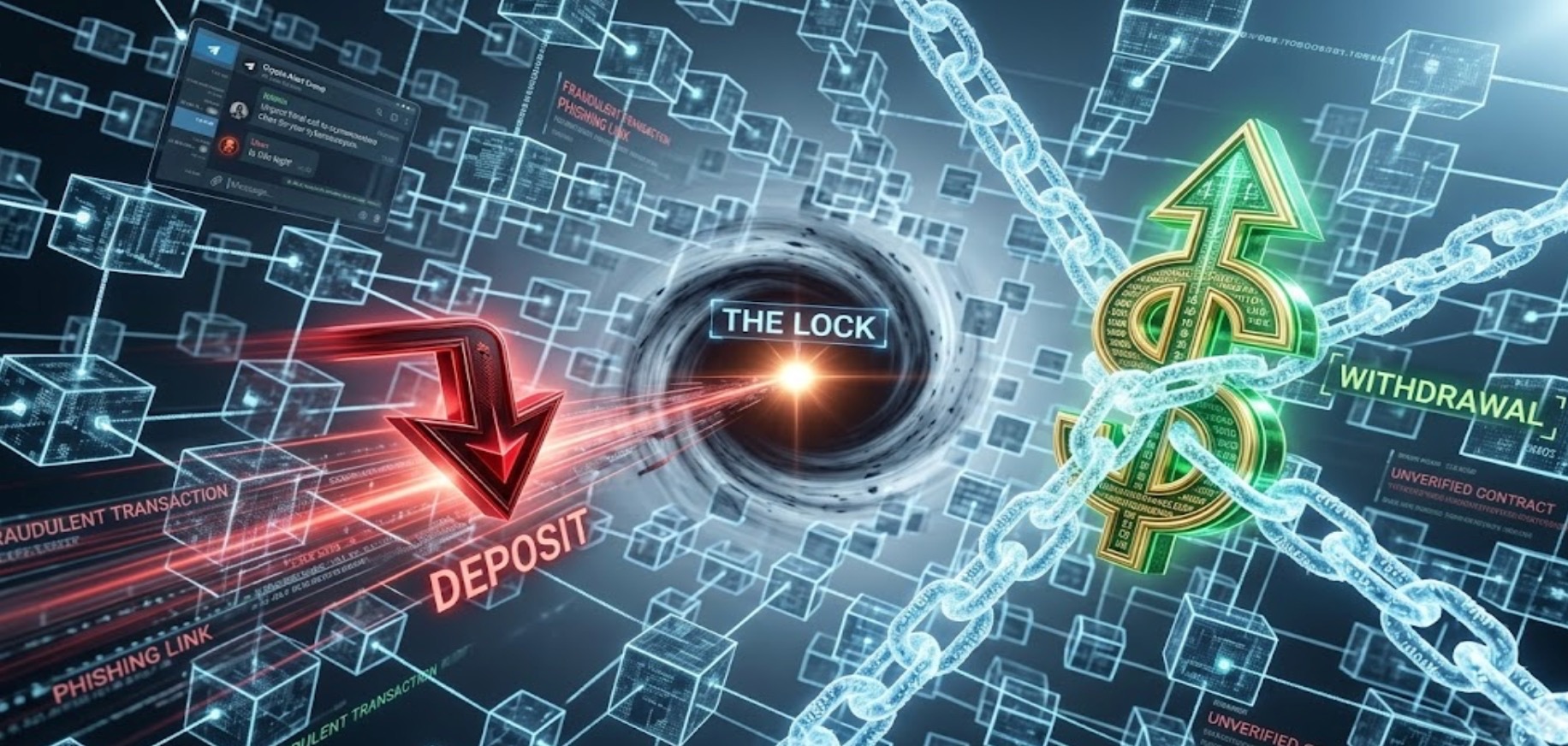
The setup is straightforward: someone promises you a massive payout. This could be framed as profits from an "investment," a salary for a remote job, or funds from an online romance. But right as you try to withdraw or receive the money, you hit a brick wall. Suddenly, you are told you need to pay an upfront "tax," "verification fee," or "network deposit" in crypto to unlock your funds.
The Anatomy of the Scam: How They Steal Your Funds
Scammers don't just ask for your money on day one anymore. They are patient, highly organized, and operate like a business. Here is how they execute the trap.
Phase 1: The Setup and Trust Building
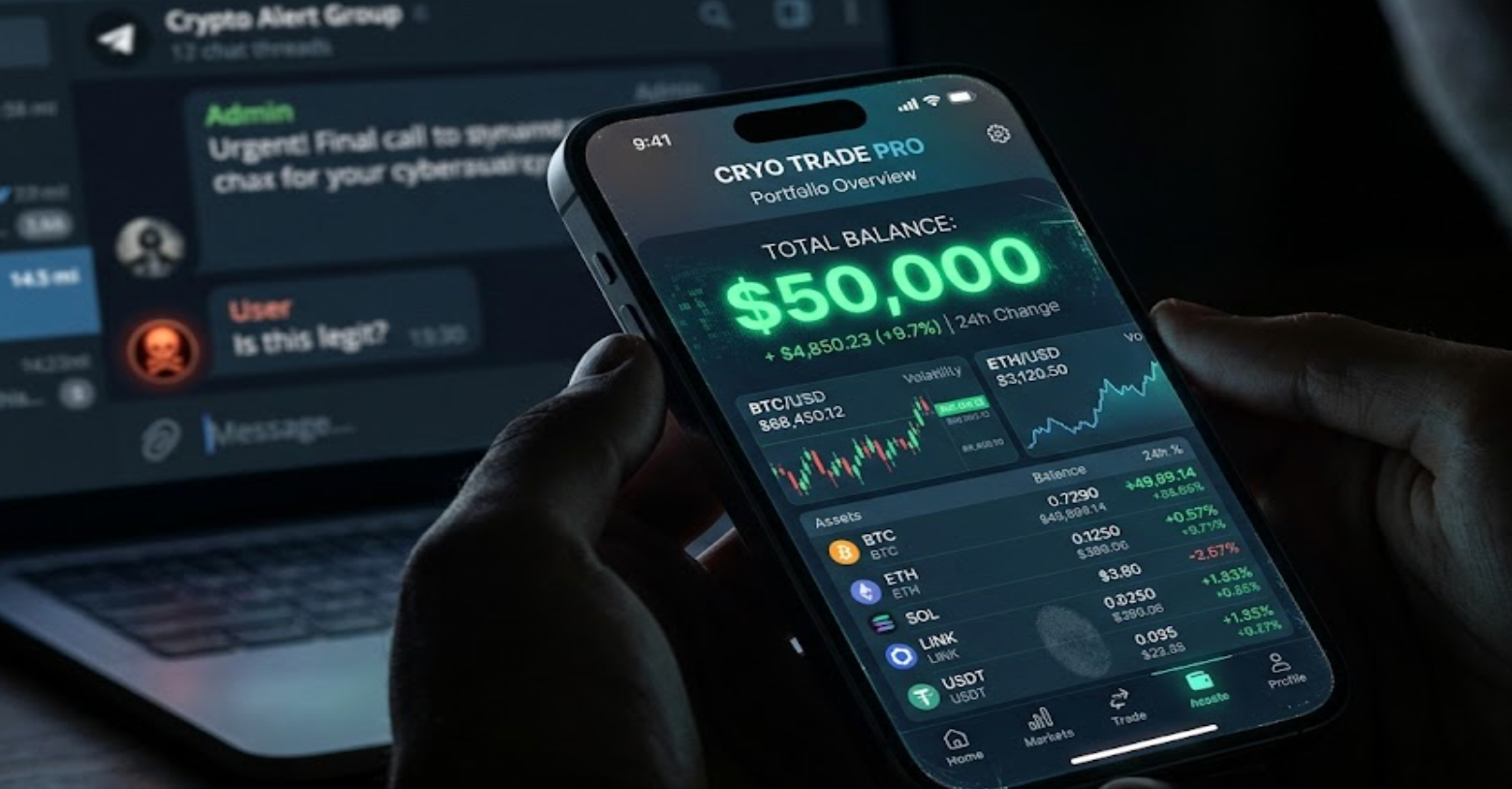
The execution is usually a slow burn. A scammer builds trust with you over weeks on Telegram, WhatsApp, or a dating app. They position themselves as a successful trader, a helpful mentor, or a romantic interest. Eventually, they introduce you to an "opportunity" and convince you to open an account on a platform they recommend.
Phase 2: The Fake Dashboard
You might even be given login credentials to a highly professional-looking dashboard. It might show a $50,000 balance sitting in your name, seemingly generating profits daily. This dashboard is entirely fake—a closed-loop simulation designed to make you greedy.
Phase 3: The "Tax" or "Verification Fee"
When you try to withdraw your profits, the platform blocks the transaction. A fake "Customer Support" agent steps in via live chat or Telegram. They tell you that due to international remittance laws, or to verify your external wallet, you need to pay a 5% tax directly from your personal wallet to release the funds.
The Psychology: Why Smart Traders Fall for It
If you think only gullible people fall for this, think again. Victims of these scams are often highly educated professionals. Scammers exploit two massive psychological vulnerabilities:
-
Manufactured Urgency: They panic you. They threaten that your funds will be permanently frozen or seized by the government if you don't pay the tax today. This is designed to bypass your critical thinking.
-
The Sunk-Cost Fallacy: Because you desperately want that $50,000 payout, paying a $2,500 "fee" feels like a no-brainer. But once you pay that first fee, there will magically be another "network error" requiring another deposit. It never ends, because the payout was never real in the first place.
Massive Red Flags You Cannot Ignore
How do you protect yourself before hitting send? If you see any of these warning signs, you need to walk away immediately.
The "Pay to Withdraw" Rule
This is the absolute biggest giveaway. Real exchanges and platforms deduct fees directly from your existing balance. If you have $10,000 in an account, a legitimate platform takes a $10 network fee and sends you $9,990. If someone demands fresh money from an outside wallet to "unlock" your current balance, you are being scammed. Period.
Support via WhatsApp or Telegram
Legitimate financial institutions do not handle sensitive tax payments or account unfreezing over personal messaging apps. If "Customer Support" is texting you from a generic Telegram handle, block them.
Unsolicited Wealth
If a stranger online or an unverified platform tells you that you have a massive return on investment waiting for you—especially when you barely invested anything—it is a trap. Free money does not exist in crypto.
Protecting Your Capital on Tapbit
The best defense is sticking to regulated, verified environments. By keeping your trading and transfers within the official Tapbit ecosystem, you are operating inside an institutional-grade security infrastructure.
Remember, Tapbit staff will never DM you on Telegram asking for a deposit to verify your identity or process a withdrawal. If you ever get a sketchy message claiming to be from our team, Login to your Tapbit account immediately and reach out to our official 24/7 live chat directly on the website. We will verify if the communication is real.
Frequently Asked Questions (FAQ)
Can I reverse a crypto transaction if I realize I've been scammed?
No. This is the hardest lesson in cryptocurrency. Blockchain transactions are mathematically immutable. Once a transaction is confirmed on the network and lands in the scammer's wallet, neither Tapbit nor any other exchange can reverse it or recover the funds.
A trading platform says I owe "crypto taxes" before I can withdraw my profits. Is this normal?
No, this is a classic scam tactic. Legitimate cryptocurrency exchanges do not withhold your funds and demand that you send new crypto to pay taxes. While you are responsible for paying your own local taxes to your government, an exchange will never hold your withdrawal hostage over it.
Someone I met online wants to teach me how to trade and sent me a link to an exchange. Is it safe?
If a romantic interest or an online "mentor" pushes you to use a specific, unknown crypto platform you've never heard of, it is almost certainly a fraudulent website they control. Always stick to established, high-reputation exchanges.


