

Let’s be honest. For years, the cryptocurrency industry fought its battles almost entirely inside sterile federal courtrooms. But as we move deeper into the 2026 midterms, the front line has officially shifted from judicial defense to aggressive, frontline political offense.
The latest headline turning heads across the market is a direct crypto-asset donation from Ripple's Chief Technology Officer, David Schwartz, to the prominent pro-crypto attorney John Deaton. Deaton, who built a massive following by rallying everyday retail holders during the SEC v. Ripple legal saga, is once again stepping onto the political stage.
But on the Tapbit desk, we look past the immediate social media cheerleading to analyze the hard political machinery at play. When you pull back the curtain, this individual XRP donation reveals a massive dual-track strategy where grassroots community sentiment meets a staggering $190 million institutional lobby.
Here is the unvarnished breakdown of how crypto is rewriting the rules of Washington campaign financing, and what it actually means for the market.
The Deaton Ledger: 2026 Senate Reality Check
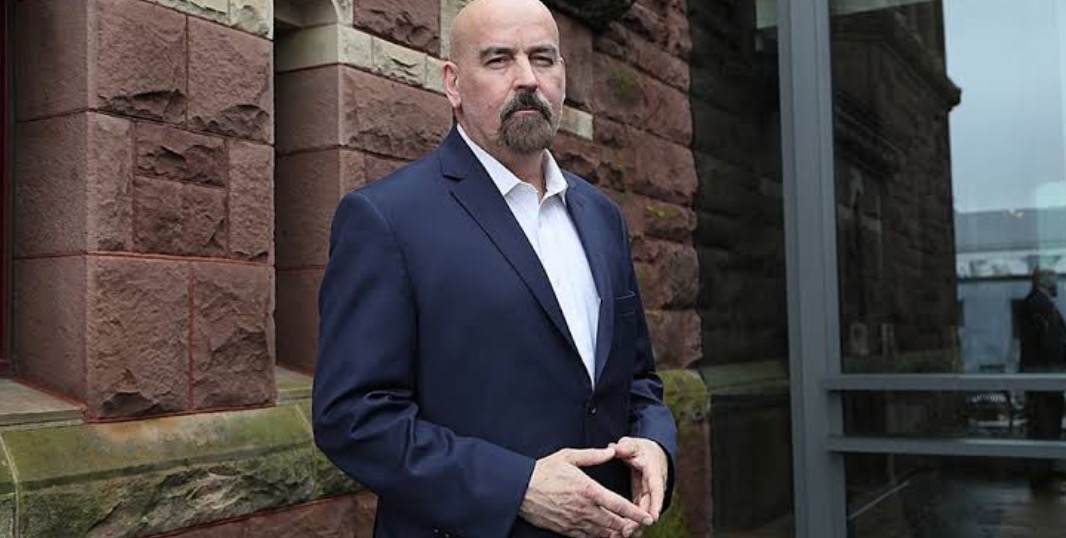
First, it is vital to clear up a common misconception floating around social media regarding Deaton's current political trajectory.
-
The Campaign Pivot: While Deaton initially gained political prominence during his 2024 bid against Massachusetts Senator Elizabeth Warren, he has pivotally shifted gears for the 2026 midterm cycle. Deaton is officially running for the U.S. Senate in Massachusetts, but his target this time is the incumbent Democratic Senator Ed Markey.
-
The XRP Transfer: Mainstream crypto media has confirmed that David Schwartz made a direct campaign contribution to Deaton using XRP. However, traders must note that the exact financial amount remains entirely undisclosed. Crucially, this was executed as a personal contribution from Schwartz, not an official, corporate-backed political donation from Ripple Labs.
From a regulatory standpoint, donating digital assets to a federal campaign is completely compliant. Under the Federal Election Commission (FEC) guidelines stretching back to a 2014 Advisory Opinion, digital currencies like Bitcoin are recognized as "money or anything of value". Political committees are fully authorized to accept and hold these assets in digital wallets until they choose to liquidate them. The difference in 2026 isn't the legality—it’s the overwhelming scale and frequency.
The Dual-Track Strategy: Grassroots vs. Mega-PACs
Deaton has structured his entire platform around a staunchly anti-establishment narrative, publicly declaring that he refuses to accept money from corporate political action committees (PACs), lobbyists, or special interest groups. This creates a clean "grassroots" marketing angle, framing Schwartz's XRP transfer as organic community backing.
But while individual candidates lean into small-dollar retail narratives, the broader crypto industry is playing a completely different game backed by unprecedented capital concentration:
-
The Cash Hoard: According to official FEC filings, Fairshake—the flagship pro-crypto super PAC heavily backed by Coinbase, Ripple, and Andreessen Horowitz (a16z)—held a staggering cash balance of roughly $149.6 million for the period ending April 30, 2026.
-
The Midterm War Chest: Across Fairshake and its core affiliate entities, the crypto lobby has amassed a war chest exceeding $193 million dedicated entirely to influencing the 2026 midterm elections.
This reveals a highly coordinated, two-pronged approach. On one side, you have individual pro-crypto candidates capturing retail sentiment on social media. On the other side, you have institutional giants deploying hundreds of millions of dollars via independent expenditure campaigns to systematically unseat anti-crypto politicians. Recent data highlights that out of the top 12 largest external spenders in the U.S. House primary races, eight are now directly tied to tech, AI, or crypto-backed organizations.
The Limits of Financial Muscle
However, if you think this multi-million-dollar war chest means the crypto lobby has completely taken over American politics, you are misreading the room. Capital alone does not guarantee a clean sweep at the ballot box.
The current election cycle has already exposed clear limits to this financial brute force. For instance, during the recent Illinois primary elections, the crypto lobby poured massive capital into various targeted races. Despite the heavy ad spend, the final election outcomes were highly mixed, proving that everyday voters still routinely cast their ballots based on localized economic issues, candidate identity, and party lines—not just an asset's regulatory status. The political influence of digital assets is growing rapidly, but it is still facing intense friction from public skepticism and localized political realities.
The Desk Verdict
Traders looking for Schwartz’s XRP donation to act as an immediate price catalyst for the token may be disappointed. This event is a pure regulatory and political signal, not a short-term liquidity driver.
The real takeaway here is structural: the XRP ecosystem has permanently migrated from the courtroom to the legislative arena. Deaton’s campaign and Schwartz's personal financial backing prove that the industry is no longer content waiting to be regulated by enforcement. They are actively using the financial machinery of the U.S. electoral system to try and draft the rules themselves. Watch the aggregate cash deployment from Fairshake as the midterms approach—that is where the real regulatory boundary lines of the digital asset market are being drawn.
Trade verified order books with institutional-grade deep liquidity.
-
Execute the Strategy: Log in to Tapbit to access highly liquid spot markets and professional futures pairs with zero execution latency.
-
Secure Your Setup: Register on Tapbit today to access our full trading suite and claim your verified welcome rewards package.
-
Track Global Capital: Monitor real-time volume depth and verified asset flows directly on the Tapbit Homepage.
Frequently Asked Questions
Who is John Deaton running against in the 2026 Senate race?
While Deaton initially gained political traction during his 2024 campaign against Massachusetts Senator Elizabeth Warren, he has shifted his strategy for the 2026 midterm cycle. He is still running for the U.S. Senate in Massachusetts, but his opponent this time is the incumbent Democratic Senator Ed Markey.
Did Ripple Labs officially donate XRP to John Deaton’s campaign?
No. This was entirely a personal move, not a corporate one. Ripple’s Chief Technology Officer, David Schwartz, made a direct campaign contribution to Deaton using XRP out of his own pocket. The exact financial value of the XRP transfer hasn't been disclosed, but it is separate from any official corporate political spending by Ripple Labs.
Is it legally compliant to donate crypto assets to a federal political campaign?
Yes, it is fully legal and compliant. Under Federal Election Commission (FEC) guidelines—which trace back to an Advisory Opinion from 2014—digital currencies are officially recognized as "money or anything of value." Political committees and campaigns are authorized to accept these assets and hold them in digital wallets until they decide to liquidate them for cash.


