

If your analysis of Sologenic (SOLO) still classifies it as a decentralized exchange on the XRP Ledger, you are trading on outdated intelligence.
Driven by tightening global regulations and the massive influx of institutional capital into Real World Assets (RWA), Sologenic completely dismantled its original business model over the last 15 months. It pivoted from an offshore DeFi experiment into a fully compliant, US-based tokenization engine.
Here is the definitive breakdown of Sologenic’s evolution into the tx ecosystem, the mechanics behind its recent token merger, and what this means for market liquidity.
Injecting TradFi DNA and the Leadership Shakeup
Structural pivots usually start in the boardroom.
In January 2025, Sologenic announced a critical leadership change. Michael McCluskey, a former executive at Fidelity Investments with decades of experience scaling traditional financial networks, was appointed CEO. Co-founder Bob Ras stepped back from the helm to focus on the ecosystem's foundation.

This swap signaled the end of Sologenic’s "crypto-native" phase. The development team locked its focus on institutional-grade tokenization, establishing a strategic partnership with Texture Capital—an SEC-registered broker-dealer—to lay the groundwork for a compliant retail trading platform for tokenized equities.
The Coreum Merger and the Death of the Dual-Token System
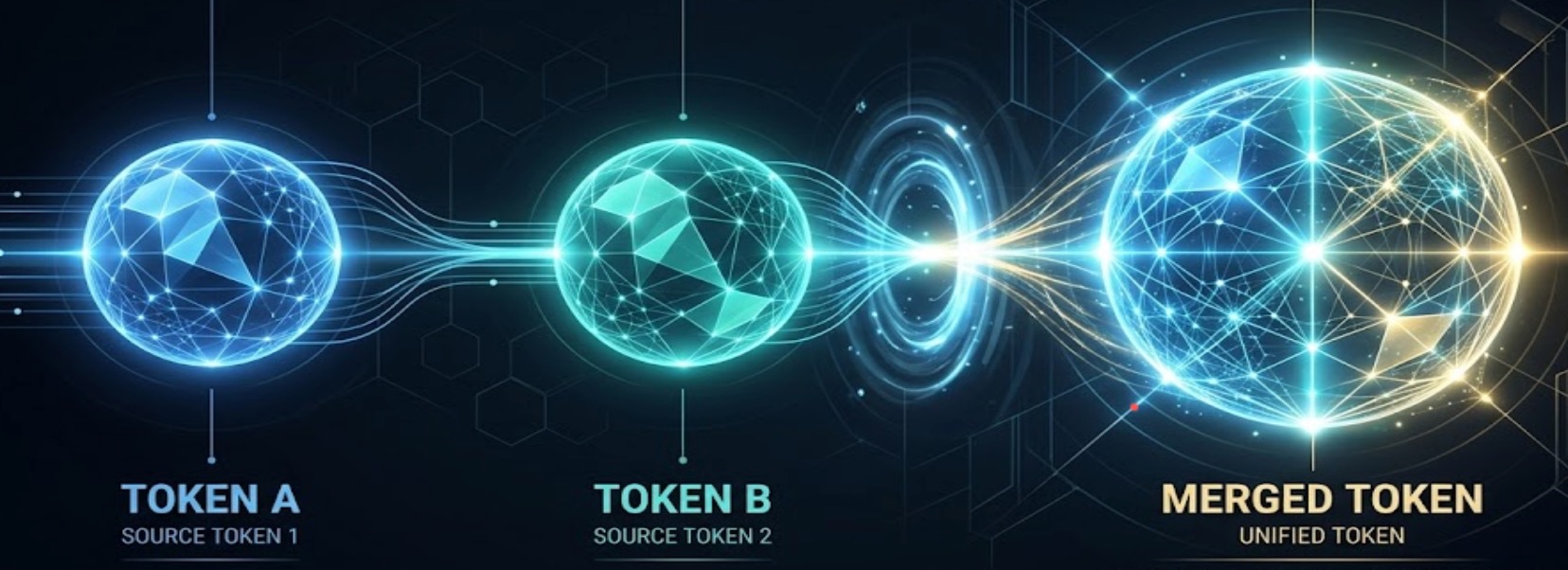
For years, the Sologenic ecosystem suffered from fragmented liquidity. Retail attention was split between the SOLO token (used for the XRPL DEX) and COREUM (the native Layer-1 gas token). This dual-token architecture was a major friction point for onboarding institutional capital and diluted secondary market buying pressure.
In March 2026, the project executed a permanent fix: Sologenic and Coreum officially merged to form 'tx', a unified, US-headquartered RWA operating system.
This corporate consolidation triggered a massive Token Generation Event (TGE) that reshaped the asset's cap table.
The Hard Data on the Token Migration:
-
The Mechanism: Confirmed by official on-chain governance and major hardware wallet providers like Ledger, the legacy SOLO and COREUM tokens were deprecated. They have been unified into a single utility asset: TX.
-
The Conversion Rate: The migration executed at a strict 1:1 ratio for both COREUM and SOLO holders.
-
TGE Specifics: The Token Generation Event occurred on March 6, 2026, launching with an initial circulating supply of 1,927,475,509 TX.
By killing the dual-token model, tx effectively consolidated staking yields, governance, and network gas fees into one asset.
Live on Wall Street with Texture Capital
The rebranded tx platform isn't marketing itself as a DEX; it is an end-to-end RWA operating system.
The moat here is regulatory compliance. Because Texture Capital is a FINRA member and operates an SEC-registered Alternative Trading System (ATS), it acts as the legal clearinghouse for the network. Through this pipeline, the tx platform is already facilitating the trading of tokenized US equities and ETFs, utilizing a native on-chain order book for compliant secondary market matching.
Furthermore, the team has secured multiple Memorandums of Understanding (MOUs) to expand this white-label tokenization infrastructure into private credit, energy, and commodities later this year.
Trading Implications
For the Tapbit trading community, Sologenic’s metamorphosis into tx provides two immediate takeaways:
-
The RWA Premium Shift: Capital is rotating out of purely speculative protocol layers and into infrastructure projects with actual legal entities and broker-dealer integrations. By abandoning its unregulated DeFi roots and anchoring itself in the US market, tx is betting heavily on where institutional liquidity is heading in 2026.
-
Liquidity Repricing: The post-TGE environment means the market no longer needs to price SOLO and COREUM against each other. For spot traders, the 1:1 migration removes conversion friction. Moving forward, all network activity—whether from retail crypto trading or institutional equity tokenization—accrues value directly to the single TX token.
As regulatory clarity sharpens globally, infrastructure plays that have already completed the painful work of compliance restructuring are the ones positioned to absorb incoming TradFi flows.
Ready to navigate the RWA sector? Log in to execute your trading strategies, or register on Tapbit today to access robust market liquidity.
Frequently Asked Questions (FAQ)
What is the current status of Sologenic (SOLO)?
Sologenic is no longer operating as a purely offshore decentralized exchange (DEX) on the XRP Ledger. Over the past 15 months, it has restructured and merged with the Coreum network to become tx, a fully compliant, US-headquartered operating system dedicated to institutional-grade Real World Asset (RWA) tokenization.
What happened to the SOLO and COREUM tokens?
To eliminate the liquidity fragmentation caused by maintaining two separate tokens, the legacy SOLO and COREUM tokens have been permanently deprecated. They were unified into a single utility asset called TX during a massive Token Generation Event (TGE) that took place on March 6, 2026.
How does the token migration to TX work?
The migration was executed at a strict 1:1 conversion ratio. Holders of both legacy SOLO and COREUM tokens receive the new TX token on a one-to-one basis, which consolidates all staking yields, governance, and network gas fees into a single asset.


