
As the global digital economy continues to expand, cryptocurrencies are becoming an increasingly important part of the financial system. Among major digital assets, XRP has attracted significant attention due to its strong position in cross-border payments and institutional finance.
XRP is the native token of the Ripple network, designed to improve international payment efficiency by reducing settlement time and transaction costs. Unlike traditional banking systems that may require several days for cross-border transfers, XRP transactions can settle within seconds at very low fees.
With the growing discussion around crypto reserves and digital asset adoption, many investors are now evaluating whether XRP could become an important component of future crypto reserve systems.
What Is XRP and How Does It Work
XRP was launched by Ripple Labs in 2012 as part of the XRP Ledger ecosystem. The XRP Ledger is a blockchain-based payment network focused on fast and scalable international transactions.
Key Features of XRP
Fast Transaction Speed
XRP transactions are usually confirmed within seconds, making XRP highly efficient for global transfers.
Low Transaction Fees
Compared with traditional banking systems, XRP offers significantly lower transaction costs.
High Scalability
The XRP Ledger can process large transaction volumes, supporting enterprise-level payment activity.
Cross-Border Payment Utility
XRP acts as a bridge currency, allowing quick conversion between fiat currencies during international transactions.
Liquidity Support
Ripple’s On-Demand Liquidity (ODL) system uses XRP to improve liquidity efficiency for financial institutions worldwide.
What Is a Crypto Reserve
A crypto reserve refers to the inclusion of cryptocurrencies within institutional or national reserve systems, similar to traditional foreign exchange or gold reserves.
The purpose of a crypto reserve may include:
-
Diversifying reserve assets
-
Reducing dependence on traditional financial systems
-
Supporting digital economy development
-
Improving financial innovation and competitiveness
Compared to traditional reserves, crypto reserves offer both higher volatility and potentially higher long-term growth opportunities.
Why XRP Could Play a Role in Crypto Reserves
XRP is considered one of the most practical digital assets for reserve applications due to its strong payment infrastructure and institutional partnerships.
Diversification Benefits
Adding XRP to a crypto reserve may reduce concentration risk associated with Bitcoin or Ethereum dominance.
Cross-Border Settlement Efficiency
XRP’s fast transaction speed and low fees make it suitable for international settlements and liquidity management.
Institutional Adoption
Ripple has established partnerships with global financial institutions including Santander and American Express, increasing XRP’s credibility in the financial sector.
Innovation Potential
Ripple’s blockchain solutions continue to push innovation in digital payments and financial infrastructure.
Trump Crypto Reserve Proposal and XRP Market Impact
The crypto market reacted strongly after reports that former U.S. President Donald Trump proposed including several cryptocurrencies—including XRP—in a potential strategic crypto reserve.
Following the announcement, the crypto market experienced a major rally:
-
Bitcoin and Ethereum surged more than 10%
-
XRP recorded significant short-term gains
-
Overall crypto market capitalization increased sharply
This event highlighted growing institutional and political interest in crypto reserve strategies and strengthened speculation around XRP’s future role in global finance.
Ripple vs SEC and Regulatory Risks
One of the biggest challenges facing XRP crypto reserve adoption is regulatory uncertainty.
The ongoing legal dispute between Ripple Labs and the U.S. Securities and Exchange Commission (SEC) has created uncertainty regarding whether XRP should be classified as a security.
Key Regulatory Risks
-
Global regulatory inconsistency
-
Potential restrictions on institutional adoption
-
Market volatility caused by legal developments
Despite these challenges, Ripple continues expanding its payment infrastructure and institutional relationships globally.
XRP Market Performance and Investment Potential
XRP has experienced significant price volatility since its launch.
During the 2017–2018 crypto bull market, XRP surged from below $0.30 to nearly $3.85, becoming one of the largest cryptocurrencies by market capitalization.
Today, many investors continue to view XRP as:
-
A high-risk, high-reward digital asset
-
A long-term cross-border payment solution
-
A potential institutional settlement asset
However, XRP remains highly sensitive to:
-
Regulatory changes
-
Market sentiment
-
Institutional adoption trends
How to Trade XRP on Tapbit
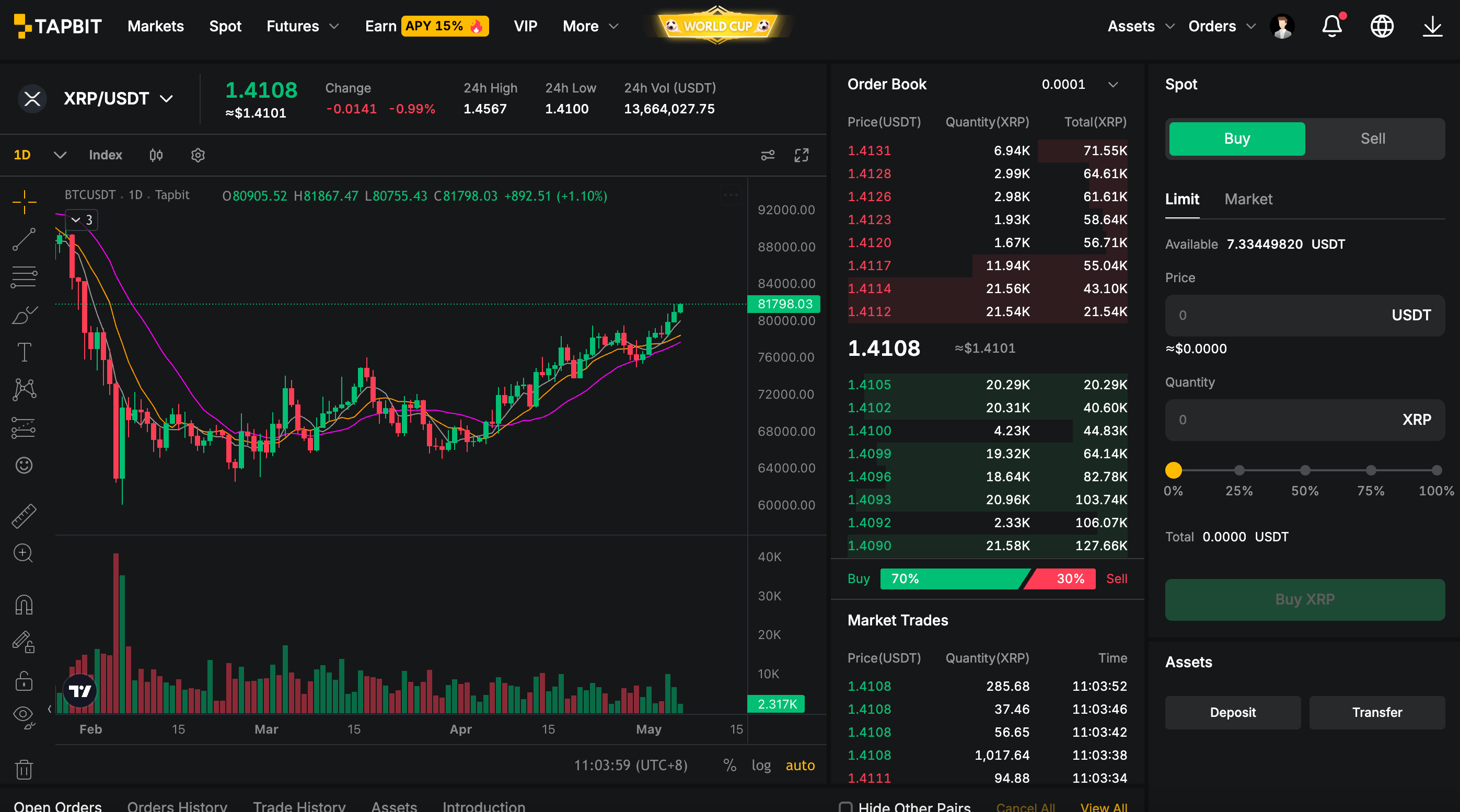
If you are interested in XRP market opportunities, using a secure and professional trading platform is essential.
Start your crypto journey today by creating an account,Track the latest XRP price and real-time market rate here:
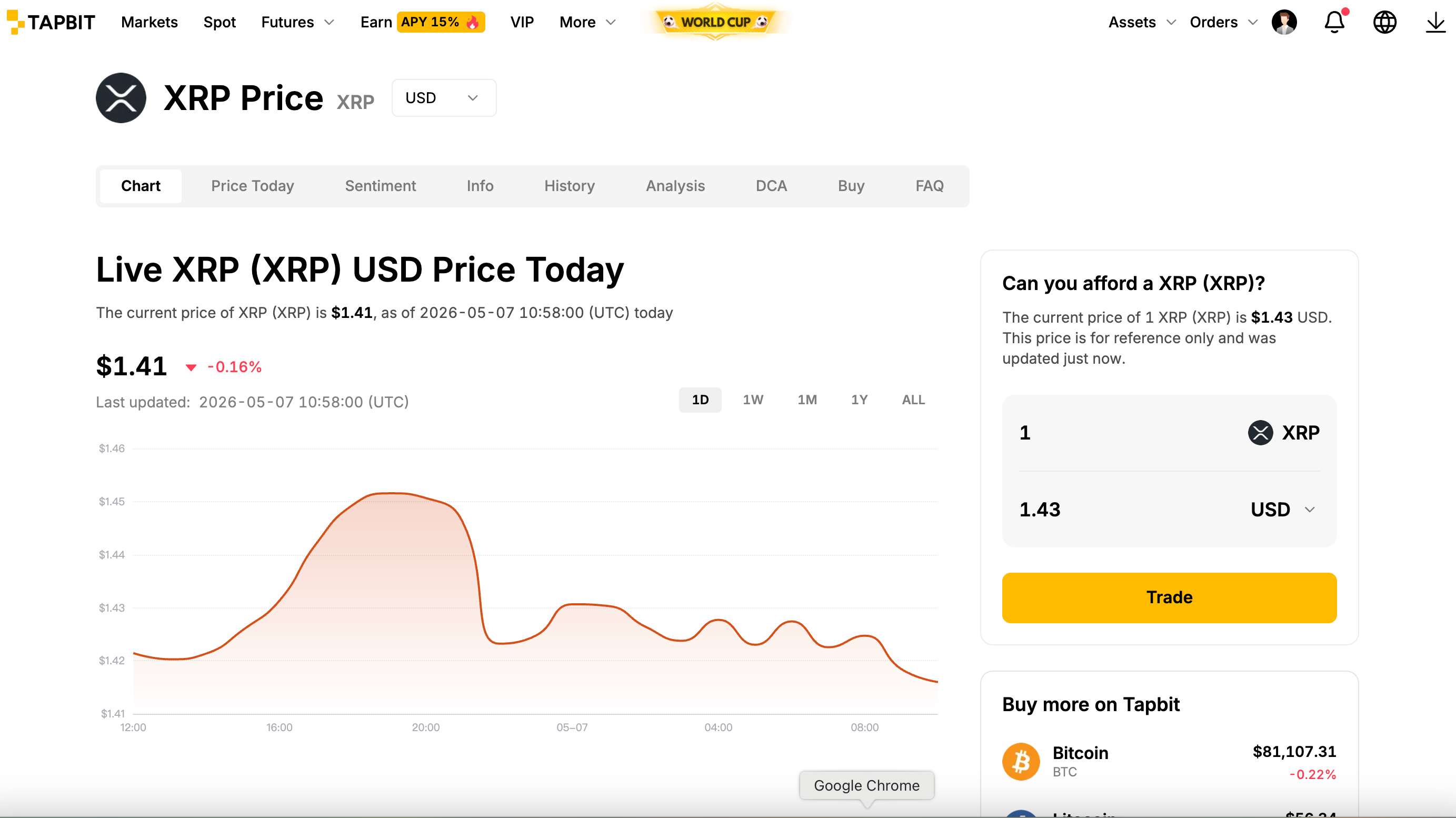
Tapbit provides real-time data, transparent trading conditions, and a secure environment for crypto investors.
Risks of Investing in XRP Crypto Reserve
Although XRP offers strong utility and market potential, investors should also understand the risks.
Regulatory Uncertainty
Changes in crypto regulation may significantly impact XRP adoption and pricing.
High Market Volatility
XRP prices can fluctuate rapidly during both bullish and bearish market cycles.
Competition from Other Digital Assets
XRP faces competition from stablecoins, CBDCs, and other blockchain payment systems.
Liquidity and Market Sentiment Risks
Institutional sentiment and market liquidity heavily influence XRP performance.
Future Outlook for XRP Crypto Reserve
The future of XRP crypto reserve development depends on several factors:
-
Global crypto regulation
-
Institutional blockchain adoption
-
Ripple’s business expansion
-
Growth of cross-border payment demand
If Ripple continues expanding its financial partnerships and regulatory clarity improves, XRP may strengthen its position within the global digital asset ecosystem.
Conclusion
XRP continues to play an important role in the evolving digital asset industry. Its strong payment infrastructure, institutional partnerships, and cross-border capabilities make XRP one of the most closely watched cryptocurrencies in the market.
However, XRP also carries substantial regulatory and market risks. Investors should approach XRP crypto reserve opportunities with a balanced strategy, proper risk management, and long-term perspective.
Start trading XRP today on Tapbit and access secure crypto markets, real-time data, and professional trading tools designed for global investors.
FAQ
What is XRP crypto reserve
XRP crypto reserve refers to holding XRP as part of institutional or strategic digital asset reserves.
Why is XRP important for cross-border payments
XRP enables fast settlement and low transaction costs compared with traditional banking systems.
Is XRP a good long-term investment
XRP may offer long-term potential, but investors should consider regulatory and market risks carefully.
What are the biggest risks for XRP
Regulatory uncertainty, price volatility, and competition from other digital payment systems.
Can XRP become part of national reserves
Some policymakers and institutions have discussed including XRP in future crypto reserve strategies, but large-scale adoption remains uncertain.


