
Meme coins used to be easy to recognize. They were usually built around animals, internet jokes, viral communities or short-lived social trends.
That is starting to change. A new group of speculative tokens is borrowing language from much bigger markets: oil, gold, sovereign reserves, AI infrastructure and real-world assets. These projects often still behave like meme coins, but their branding makes them feel more serious than a typical internet token.
United Global Oil Reserve, or UGOR, is one example of this trend. Public descriptions commonly identify UGOR as a Solana-based meme coin that uses the theme of global petroleum reserves to attract attention in the crypto market.
The question for traders is not only whether UGOR can move in price. The more important question is what this type of token says about the current market cycle.
From Meme Culture to Macro Narratives
Crypto speculation often follows attention.
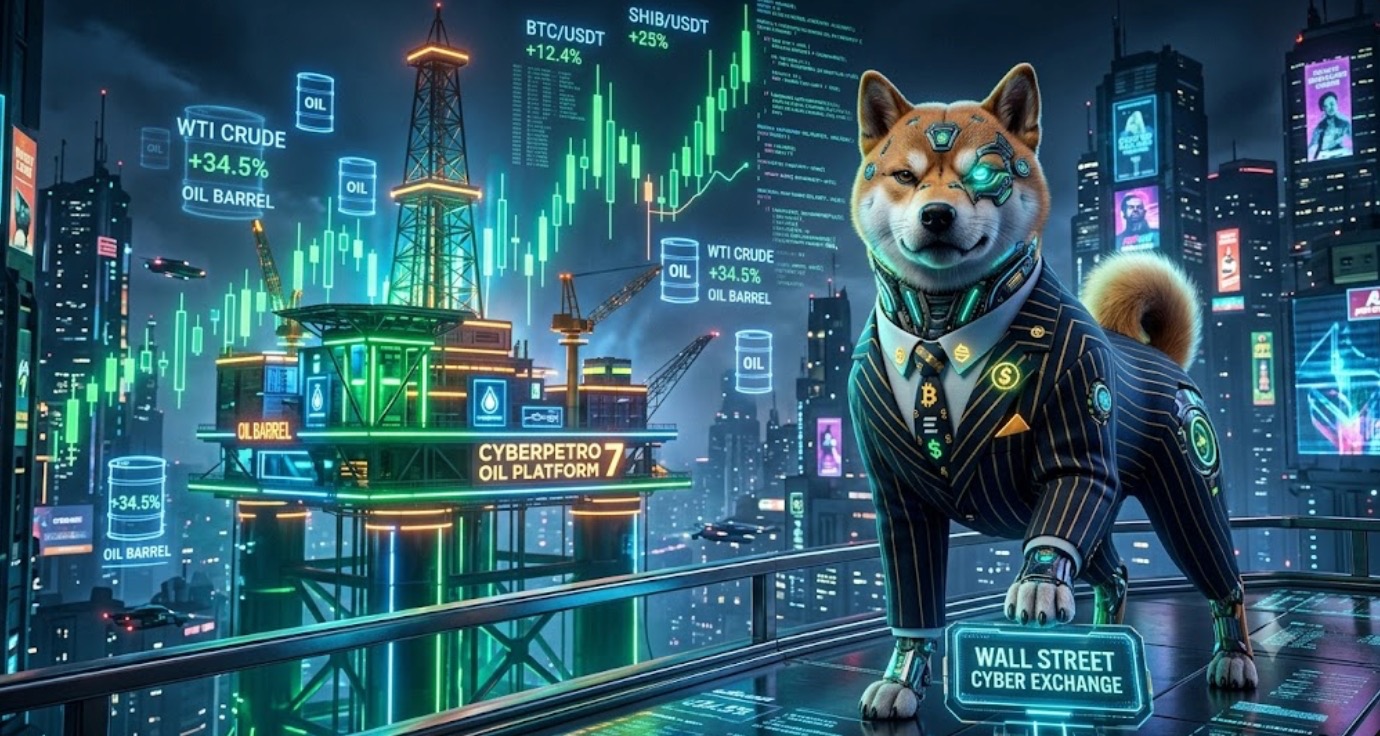
In earlier cycles, attention came from simple memes, celebrity mentions or online communities. In 2026, some projects are trying to attach that same meme-driven energy to macro themes. Oil is a powerful example because it connects to inflation, geopolitics, transport costs, energy security and global growth.
That makes an oil-themed token feel more tangible. Words such as “reserve,” “barrel,” “commodity” and “infrastructure” can create the impression of real-world value, even when the token itself does not represent ownership of the underlying asset.
This is where the market becomes more complicated. A token can use a commodity narrative without being a commodity-backed product.
Bitrue describes UGOR as a Solana-based cryptocurrency that uses the theme of global petroleum reserves, while also noting that it does not represent ownership of real oil reserves and currently functions mainly as a tradable asset within Solana decentralized exchanges.
That distinction is central to understanding this trend.
UGOR Is a Narrative Token, Not an Oil Investment
The strongest lesson from UGOR is the difference between a narrative token and an asset-backed token.
A narrative token is driven mainly by story, social attention, trading activity, liquidity and market sentiment. Its price can rise or fall quickly because the market likes the theme, not because holders own a claim on real assets.
An asset-backed token should be different. It should have verifiable reserves, custody arrangements, audits, legal structure, redemption rules and clear issuer accountability.
Public reviews of UGOR have repeatedly pointed out the gap between the oil story and the evidence of real asset backing. CoinCodex states that there is no verified proof that UGOR holders own oil, reserve rights, storage rights or oil-related income. Webopedia also reported that UGOR’s oil reserve claims have no on-chain backing, audited custody structure or confirmed institutional partners.
This does not mean a token cannot trade. It means traders should be careful about what they think they are buying.
With UGOR, the available public information points to a speculative, oil-themed meme coin rather than a verified petroleum-backed digital asset.
Why These Tokens Can Still Attract Traders
Even without real commodity backing, tokens like UGOR can still attract market attention.
There are several reasons.
First, the theme is easy to understand. Oil is a familiar global asset. Traders may not understand every technical detail of a crypto protocol, but they understand that oil is important.
Second, commodity narratives feel more serious than ordinary memes. A token with oil-related branding may appear more grounded than a random joke coin, even if the underlying risk profile is still highly speculative.
Third, Solana’s low-cost trading environment makes it easier for small-cap meme coins to launch and circulate quickly. Academic research on Solana meme coin activity has also highlighted how retail-focused token creation platforms have reshaped participation and increased speculative trading activity across the ecosystem.
Fourth, traders often look for stories before they look for fundamentals. In a fast market, a strong narrative can move before verification catches up.
That is why commodity-themed meme coins can gain traction quickly. They combine the emotional speed of meme trading with the seriousness of macro language.
The Risk: Serious Branding Can Hide Speculative Structure
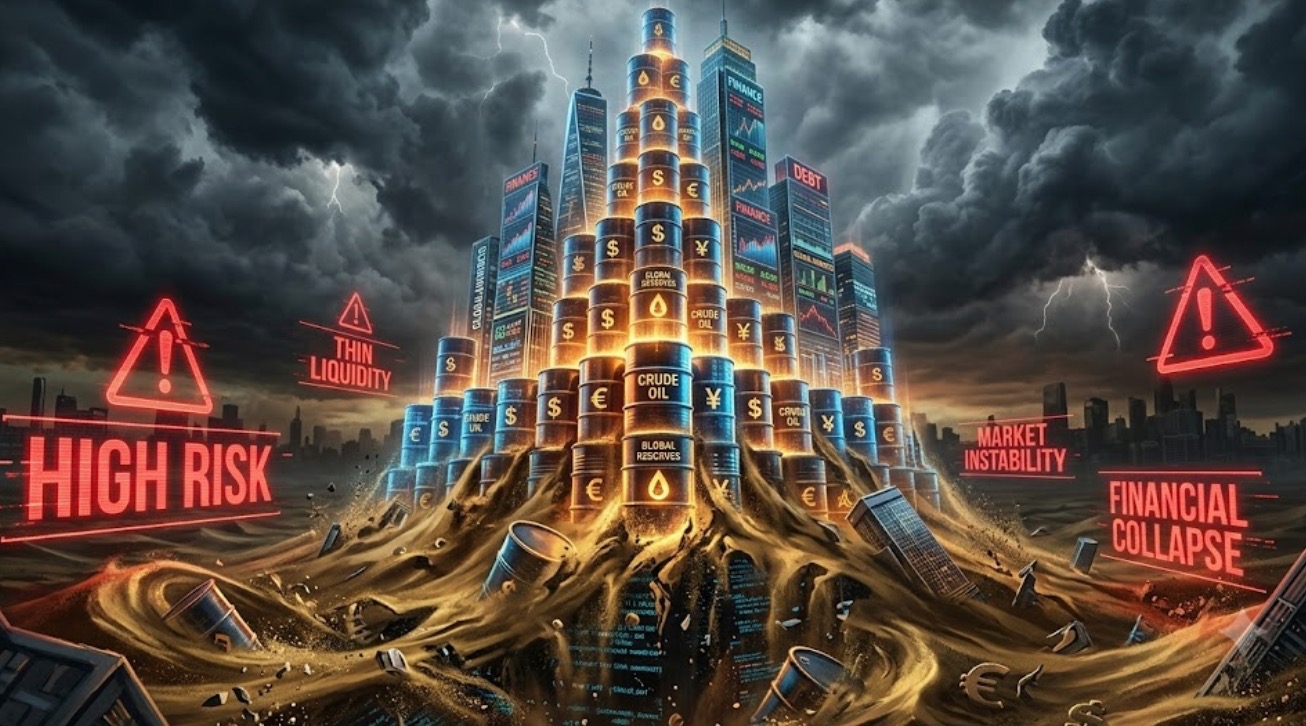
The main danger is not that traders speculate. Speculation is part of crypto markets. The danger is when speculation is mistaken for asset ownership.
A token that references oil reserves is not automatically backed by oil. A token that mentions infrastructure is not automatically tied to infrastructure revenue. A token that uses institutional-sounding language is not automatically connected to regulated financial products.
UGOR shows how easily these lines can blur.
Some market data sources show UGOR trading with small-cap characteristics and high risk signals. Solyzer, for example, described UGOR as a Solana token and rated it “High Risk” with a score of 18 out of 100 in its token analysis. CoinCodex also warned that traders should not buy UGOR on the oil story alone, citing lack of verified backing, thin liquidity and hype risk.
For traders, that means the risk is not only price volatility. It is also narrative risk. If the market stops believing the story, liquidity can fade quickly.
What Traders Should Watch
When evaluating commodity-themed meme coins, traders should focus less on the headline and more on the structure.
The first question is whether the token gives holders any legal claim on the underlying asset. If there is no claim, it should not be treated as a commodity investment.
The second question is whether reserves are verified. Real asset backing should involve transparent custody, third-party audits and clear reporting.
The third question is whether there is a redemption mechanism. If holders cannot redeem the token for the underlying asset or a cash equivalent, the token may only be trading on narrative value.
The fourth question is liquidity. Small-cap DEX tokens can move sharply in both directions, especially when liquidity is thin.
The fifth question is team transparency. Anonymous or unclear teams are common in meme coin markets, but they reduce accountability when problems appear.
The sixth question is whether the story depends on one trend. If the entire token thesis depends on the market liking one theme, the downside can become severe when attention moves elsewhere.
Tapbit View
UGOR is not just a story about one Solana meme coin. It is a signal of how crypto narratives are evolving.
Meme coins are becoming more sophisticated in how they present themselves. Some are moving beyond simple internet culture and borrowing language from commodities, real-world assets and institutional finance.
That shift can make the market more interesting, but it can also make risk harder to identify.
For traders, the key lesson is simple: a strong narrative is not the same as strong backing. Oil-themed branding does not equal oil ownership. RWA language does not equal real-world asset exposure. Viral attention does not equal long-term value.
In the current cycle, traders may continue to see more tokens that blend meme culture with macro themes. Some may generate short-term trading opportunities. But before entering, users should ask a basic question:
What do I actually own? If the answer is mainly “a story,” then the token should be treated as speculative, not asset-backed.
Users can visit Tapbit to explore supported crypto markets and educational resources. Existing users can log in, while new users can register here
Frequently Asked Questions (FAQ)
Why is UGOR relevant to market analysis?
UGOR is relevant because it shows how meme coins are using commodity and real-world asset narratives to attract attention. It reflects a broader shift in crypto storytelling.
Is UGOR backed by real oil?
Current public reviews have not verified that UGOR holders own real oil, reserve rights, storage rights or oil-related income.
Why do commodity-themed meme coins attract traders?
They combine familiar real-world themes with fast-moving crypto speculation. This can make them feel more serious than ordinary meme coins, even when their structure remains highly speculative.


