

Introduction to Bitcoin and XRP in 2026
Bitcoin (BTC) and XRP are two of the most prominent digital assets in the cryptocurrency market, yet they serve very different purposes. While Bitcoin is widely regarded as “digital gold” and a decentralized store of value, XRP focuses on fast and cost-efficient cross-border payments within the banking and financial sector.
Understanding the differences between these cryptocurrencies can help investors make informed decisions about portfolio allocation, risk management, and potential growth opportunities.
Bitcoin Price and Market Overview 2026
| Cryptocurrency | Current Price | Market Cap | 24h Trading Volume | Circulating Supply |
|---|---|---|---|---|
| Bitcoin (BTC) | $81,121 | $1.57T | $35B | 19.2M BTC |
| XRP | $1.4582 | $72B | $1.2B | 50.7B XRP |
Prices are volatile and subject to change. Investors should verify with live exchange data before trading.
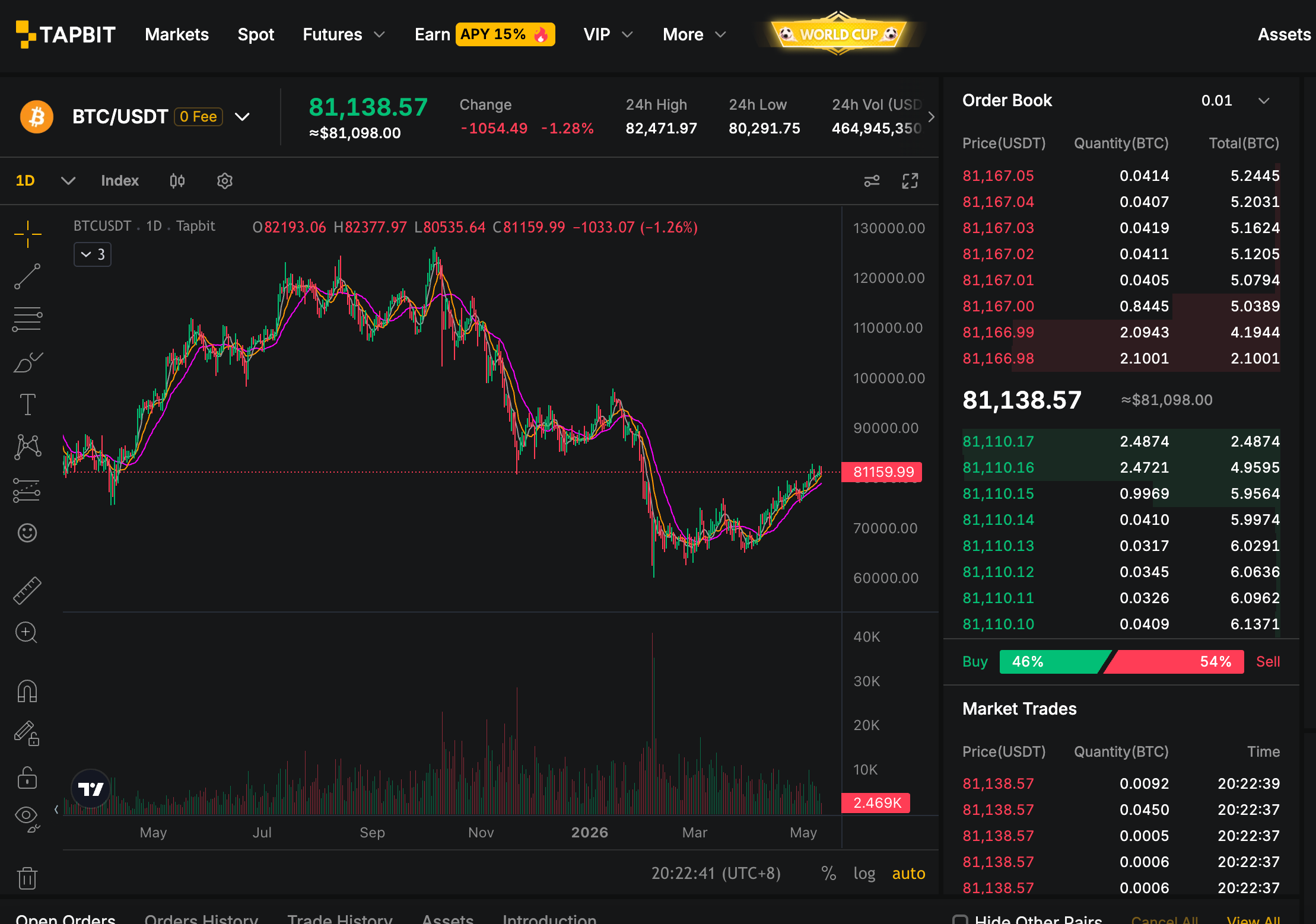
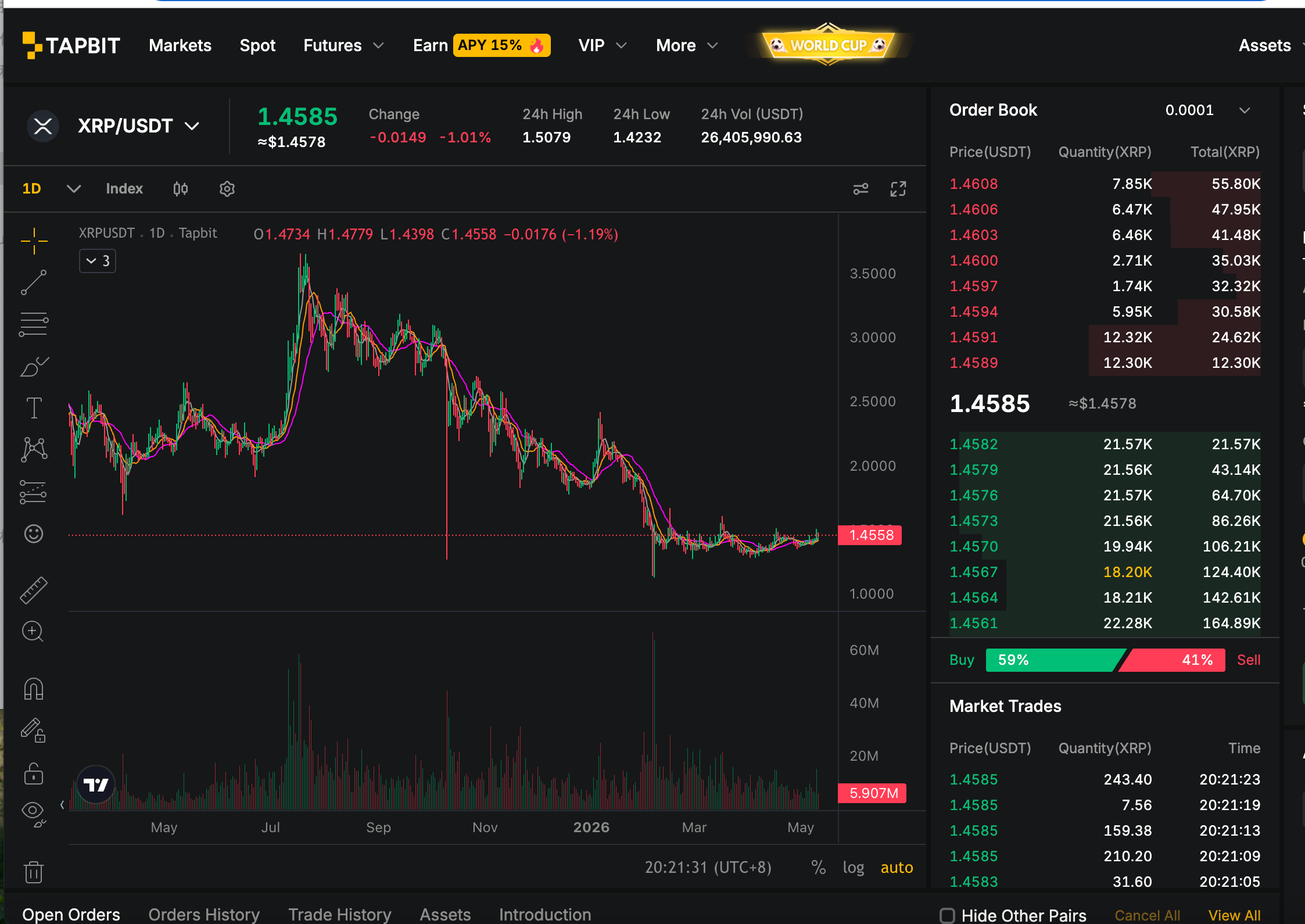
What is Bitcoin (BTC) and How Does BTC Work?
Bitcoin, created in 2009 by the pseudonymous Satoshi Nakamoto, is the first decentralized cryptocurrency. It uses a proof-of-work (PoW) consensus mechanism to secure its network and validate transactions.
Key Features of Bitcoin (BTC):
- Decentralization: No central authority controls Bitcoin.
- Store of Value: Often referred to as “digital gold.”
- Limited Supply: 21 million BTC cap creates scarcity.
BTC Investment Considerations:
- Widely accepted and highly liquid.
- High security and strong community support.
- Exposure to market volatility and macroeconomic factors.
What is XRP Cryptocurrency and How XRP Works?
XRP is the native digital asset of the Ripple network, designed primarily for cross-border payments. Unlike Bitcoin, XRP does not rely on mining but uses a consensus ledger mechanism for transaction validation, allowing faster and cheaper transfers.
Key Features of XRP Cryptocurrency:
- Transaction Speed: 3–5 seconds per transfer.
- Low Fees: Very cost-efficient for cross-border settlements.
- Bank Partnerships: Ripple works with numerous financial institutions worldwide.
XRP Investment Considerations:
- Focused on utility rather than store of value.
- Regulatory scrutiny due to ongoing SEC litigation.
- High liquidity but concentrated ownership among Ripple Labs and institutional partners.
Bitcoin vs XRP: Price, Market, and Technical Differences
| Feature | Bitcoin (BTC) | XRP |
|---|---|---|
| Launch Year | 2009 | 2012 |
| Consensus Mechanism | Proof-of-Work (PoW) | Ripple Protocol Consensus Algorithm |
| Supply Cap | 21 million | 100 billion |
| Transaction Speed | ~10 minutes | 3–5 seconds |
| Primary Use Case | Store of Value / Digital Gold | Cross-Border Payments / Banking Use |
| Transaction Cost | Moderate to high | Very low |
| Decentralization | High | Moderate |
Bitcoin vs XRP Investment Analysis and Market Outlook
Bitcoin (BTC) Investment Pros and Cons:
- Pros: Established network, high liquidity, widely accepted as digital gold.
- Cons: Slow transaction times, high energy consumption, volatile.
XRP Investment Pros and Cons:
- Pros: Fast and cheap transactions, partnerships with banks, practical use case.
- Cons: Regulatory uncertainty, centralized control concerns, dependency on Ripple Labs’ adoption.
Market Outlook for BTC and XRP:
- Bitcoin continues to be favored for long-term store-of-value investments.
- XRP may gain adoption if cross-border payments scale, but legal and regulatory risks remain high.
Conclusion: Choosing Between Bitcoin and XRP in 2026
Bitcoin and XRP cater to different investor needs. BTC is ideal for those seeking a decentralized store of value, while XRP targets fast, low-cost financial transactions. Investors should evaluate their portfolio goals, risk tolerance, and market conditions before choosing between these two cryptocurrencies.
FAQs
Q1: Which is safer, BTC or XRP?
A1: BTC is generally considered safer due to decentralization and long-term track record. XRP carries higher regulatory and operational risks.
Q2: Can XRP replace Bitcoin as a store of value?
A2: Not directly. XRP is optimized for fast payments, while Bitcoin serves as a decentralized store of value.
Q3: Which cryptocurrency has higher upside potential?
A3: XRP could see higher short-term gains if adoption grows, but BTC is more stable for long-term investment.
Q4: Are there tax differences between BTC and XRP?
A4: Tax treatment varies by jurisdiction, but both are generally considered digital assets. XRP may be classified differently due to its banking ties.


