

Crypto Market Turns Lower Amid Inflation Concerns
The cryptocurrency market moved lower after Bitcoin (BTC) fell below the key $80,000 support level, while Solana (SOL) led losses among major altcoins.
Investor sentiment weakened following stronger-than-expected U.S. inflation data, which reduced expectations for near-term Federal Reserve rate cuts and triggered a broader risk-off move across financial markets.
At the same time, volatility increased across Asian equity markets and crypto assets as traders reacted to macroeconomic uncertainty and shifting monetary policy expectations.
Bitcoin Drops Below Key $80,000 Support
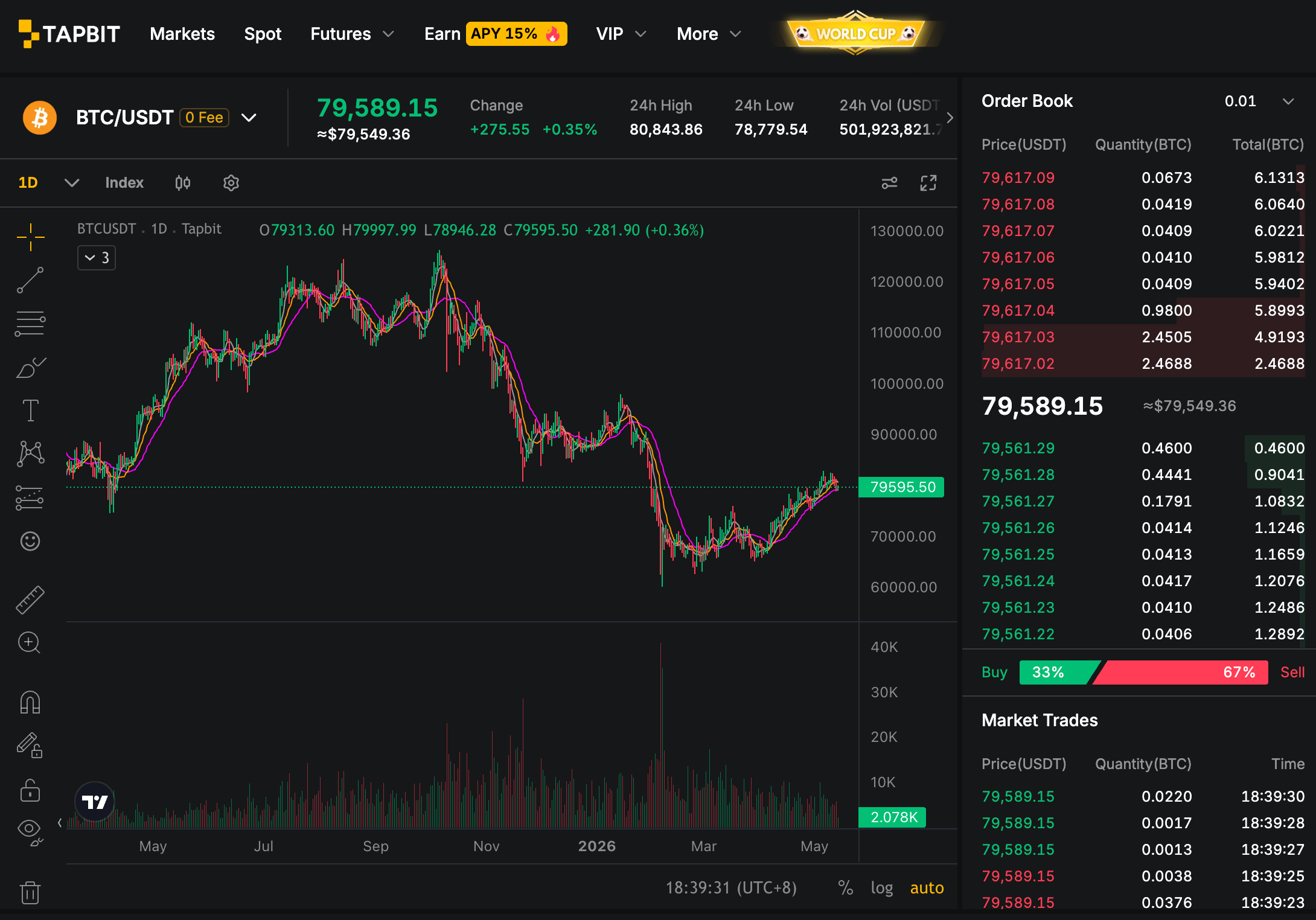
Bitcoin traded near $79,500 during Asian trading hours, declining approximately 2.3% over the past 24 hours.
The move marked a break below the important $80,000 level, which had acted as a major support zone for most of the previous week.
Why Bitcoin Is Falling
Several macroeconomic factors contributed to the BTC decline:
- Higher-than-expected U.S. CPI and PPI inflation data
- Reduced expectations for Federal Reserve easing
- Broad risk-off sentiment across global markets
- Increased short-term profit-taking activity
The latest U.S. producer price index (PPI) rose 1.4% month-over-month, significantly above market forecasts, while consumer inflation reached 3.8%, its highest level in nearly three years.
These inflation surprises complicated expectations for interest rate cuts later in 2026, weakening one of the major bullish catalysts previously supporting crypto markets.
Key Bitcoin Support Levels
Traders are now closely watching the $78,000 support level, which previously marked the early-May local bottom before Bitcoin rallied toward $82,000.
If BTC breaks below $78,000, analysts warn that additional downside pressure could emerge across the broader crypto market.
However, holding above current support levels may allow institutional buyers to gradually re-enter the market.
Solana Leads Altcoin Losses
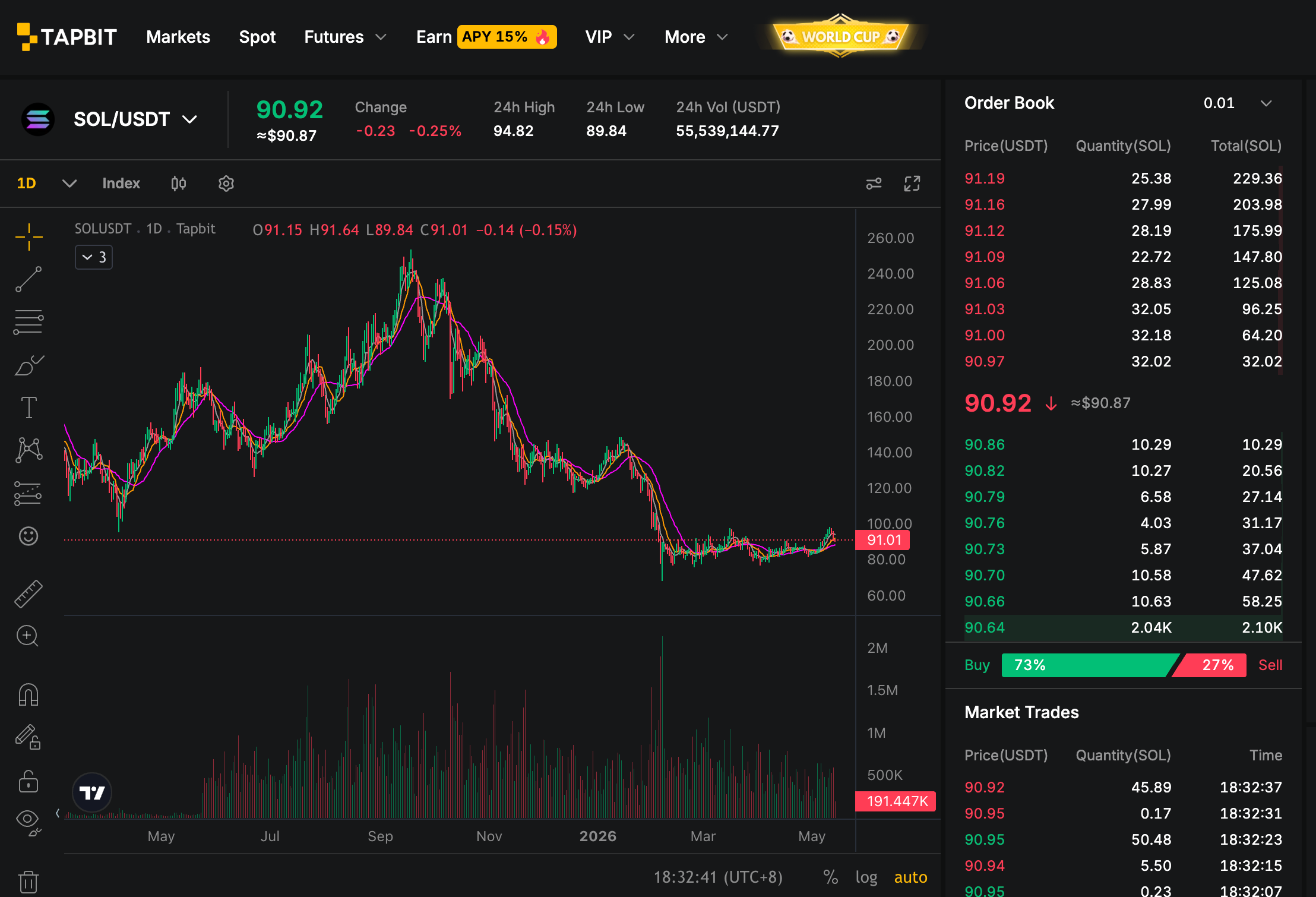
Solana (SOL) posted the sharpest decline among major cryptocurrencies, dropping approximately 5.6% to around $90.
The correction erased much of Solana’s recent weekly gains after the token outperformed most major altcoins over the past two weeks.
Why Solana Declined More Than Bitcoin
Several factors amplified selling pressure on SOL:
- Higher volatility compared to Bitcoin
- Increased profit-taking after recent rallies
- Weakening risk appetite across altcoins
- Rotation back into safer crypto assets
Despite the short-term pullback, Solana remains one of the strongest-performing blockchain ecosystems in 2026 due to continued growth in:
- Meme coin trading
- AI-related crypto projects
- Decentralized finance activity
- Stablecoin adoption
- On-chain user growth
Ethereum, XRP, and BNB Also Decline
The broader crypto market also moved lower:
| Cryptocurrency | Price | 24H Change |
|---|---|---|
| Bitcoin (BTC) | ~$79,200 | -2.3% |
| Ethereum (ETH) | ~$2,250 | -2.1% |
| Solana (SOL) | ~$90 | -5.6% |
| XRP | ~$1.43 | -1.7% |
| BNB | ~$660 | -1.6% |
| Dogecoin (DOGE) | ~$0.1126 | +0.9% |
Dogecoin was the only major cryptocurrency posting gains during the session, rising approximately 0.9%.
Inflation Continues Pressuring Crypto Markets
Beyond short-term volatility, inflation remains one of the biggest challenges for crypto investors in 2026.
Hot CPI and PPI Data Shake Markets
Recent economic data showed:
- CPI inflation at 3.8%
- PPI inflation at 1.4% month-over-month
- Persistent pricing pressures across the U.S. economy
Higher inflation reduces the likelihood of aggressive Federal Reserve rate cuts, which previously acted as a major tailwind for Bitcoin and other risk assets.
As a result, traders are becoming increasingly cautious in the short term.
AI Stocks Continue Outperforming Despite Crypto Weakness
While cryptocurrencies struggled, AI-related technology stocks continued outperforming broader markets.
Cisco and AI Tech Shares Rally
Cisco shares surged after delivering stronger-than-expected guidance, while technology-related equities continued attracting investor attention.
This ongoing divergence suggests that investors still favor AI-related growth themes even as crypto markets face temporary macroeconomic pressure.
Bitcoin Outlook: What Happens Next?
The next few trading sessions could prove critical for Bitcoin and the broader crypto market.
Bullish Scenario
If BTC holds above $78,000:
- Institutional buyers may return
- ETF inflows could stabilize sentiment
- Crypto markets may recover gradually
Bearish Scenario
If BTC loses $78,000 support:
- Additional downside pressure could emerge
- Altcoins may experience deeper corrections
- Market volatility could increase significantly
Macroeconomic data and Federal Reserve expectations will likely remain the primary drivers for crypto prices in the near term.
Final Thoughts
Bitcoin falling below $80,000 reflects growing pressure from inflation concerns and broader market uncertainty. Solana’s sharper decline highlights how altcoins remain more vulnerable during risk-off conditions.
While long-term institutional adoption trends remain intact, traders are becoming increasingly cautious as macroeconomic conditions continue influencing financial markets.
The coming days may determine whether this correction becomes a temporary pullback or the start of a broader crypto market retracement.
FAQ
Why did Bitcoin fall below $80,000?
Bitcoin declined due to rising U.S. inflation, reduced Federal Reserve easing expectations, and broader risk-off market sentiment.
Why is Solana dropping more than Bitcoin?
Solana is generally more volatile than Bitcoin and experienced increased profit-taking after recent strong gains.
What is Bitcoin’s next key support level?
Traders are closely watching the $78,000 support zone.
How does inflation affect crypto prices?
Higher inflation reduces the likelihood of interest rate cuts, which can negatively impact risk assets like cryptocurrencies.
Why are AI stocks outperforming crypto?
Investors continue favoring AI-related growth narratives, while crypto markets remain more sensitive to macroeconomic uncertainty.


