

Arrow crypto generally refers to Arrow Finance, a DeFi protocol connected to the Robinhood Chain ecosystem. The project is commonly described as a collateralized debt position protocol, or CDP protocol, designed for tokenized assets.
In plain language, Arrow aims to let users deposit supported collateral and mint or borrow a stable asset against it. This is similar to how some DeFi lending systems allow users to lock collateral and access liquidity without selling the assets they hold.
The reason Arrow has attracted attention is simple: Robinhood Chain is being positioned around real-world assets, stock tokens, and onchain financial infrastructure. If tokenized stocks and ETFs become more active onchain, protocols that support lending, borrowing, and collateral use could become important parts of that ecosystem.
For users following new crypto narratives, market tools, and emerging digital asset trends, the Tapbit registration page provides a broader entry point to crypto market access and trading features.
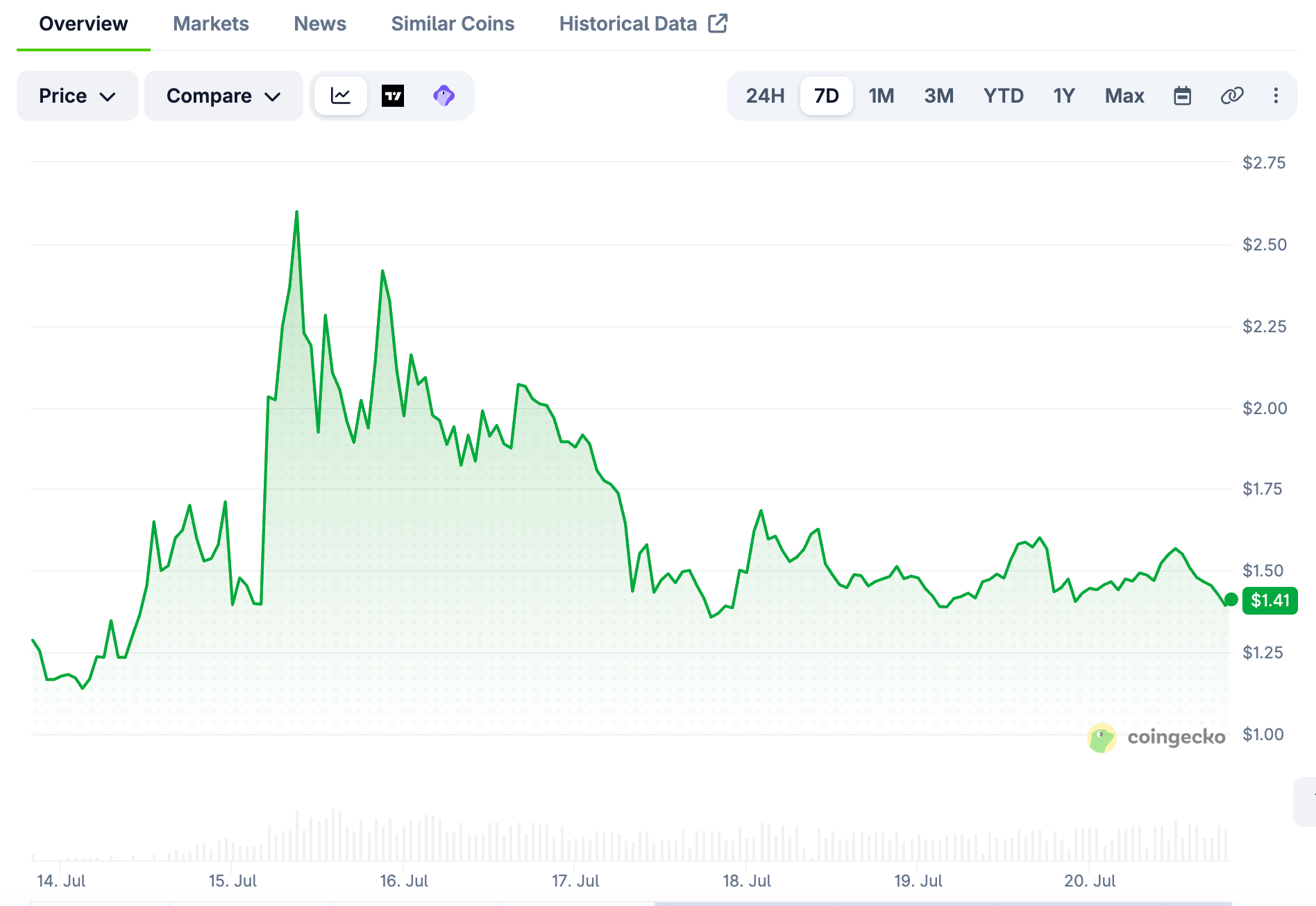
What Is Arrow Crypto?
Arrow crypto usually refers to Arrow Finance, a DeFi protocol focused on collateralized borrowing inside the Robinhood Chain ecosystem. The project is linked to the broader RWA narrative because tokenized stocks, ETFs, stablecoins, and crypto assets could potentially be used as collateral in onchain financial products.
The basic idea is familiar in DeFi: users deposit collateral, borrow or mint a debt asset, and maintain a safe collateral ratio. If the collateral value drops too far, the position may face liquidation.
What Is Arrow Finance?
Arrow Finance is a DeFi protocol that appears to focus on collateralized borrowing for tokenized assets on Robinhood Chain. A CDP system allows users to deposit collateral and mint a debt asset, usually a stablecoin or stable-value token.
In Arrow’s case, the protocol has been associated with aUSD, a collateral-backed asset that may be minted against supported assets depending on the protocol’s design and available markets.
The core idea is not unusual in DeFi, but the asset category is interesting. Instead of only using ETH, stablecoins, or blue-chip crypto assets, Arrow’s narrative is connected to tokenized stocks, ETFs, and real-world assets.
Why Robinhood Chain Matters for Arrow
Robinhood Chain matters because it is designed around tokenized real-world assets. The network is built using Arbitrum Layer 2 infrastructure and is intended to support financial applications such as stock tokens, lending, trading, and onchain market access.
That gives Arrow a clear narrative: if Robinhood Chain becomes an active venue for tokenized assets, users may need lending markets, stablecoin liquidity, liquidation systems, and collateralized borrowing tools.
Arrow’s potential role is therefore closely tied to ecosystem growth. If tokenized assets on Robinhood Chain remain thinly traded, Arrow’s addressable market may stay limited. If the ecosystem grows, the protocol could become more relevant.
How ARROW Token Fits Into the Ecosystem
ARROW is the token associated with Arrow Finance. Like many early-stage DeFi tokens, its market value depends on several factors: protocol usage, liquidity, governance design, emissions, holder distribution, and trader demand.
Investors should be careful not to treat ARROW as a guaranteed proxy for Robinhood Chain growth. A protocol can have a strong narrative while the token still faces supply pressure, low liquidity, or speculative volatility.
| Area to Review | Why It Matters |
|---|---|
| Token Contract | Helps avoid copycat ARROW tokens |
| Holder Distribution | Shows whether supply is concentrated |
| Liquidity | Determines how easily users can enter or exit |
| Protocol Usage | Indicates whether Arrow has real demand |
| Token Utility | Shows whether ARROW has governance or value capture |
| Audit Status | Helps assess contract and liquidation risk |
Arrow Finance vs Arrow Meme Coins
One important point: not every token called ARROW is the same project.
There are meme coins and community tokens using the Arrow name, including tokens positioned around Robinhood Chain branding. Some may openly describe themselves as meme coins with no utility or promises.
That makes contract verification essential. Before buying any ARROW token, users should confirm whether they are looking at Arrow Finance, a meme coin, or a copycat asset using similar branding.
Why Is ARROW Getting Attention?
ARROW is getting attention because it sits at the intersection of several hot crypto themes. Robinhood Chain has created interest in tokenized stocks and real-world assets. DeFi traders are also looking for protocols that could benefit if tokenized assets become active collateral.
The token has also attracted short-term speculation because early-stage ecosystem tokens can move quickly when traders search for exposure to new chains. However, fast attention does not prove long-term utility.
How Arrow Finance Could Work
A typical CDP protocol works by letting users deposit collateral, borrow against that collateral, and maintain a collateral ratio. If the value of the collateral falls too far, the position may be liquidated.
For Arrow, the concept becomes more complex if tokenized equities or ETFs are used as collateral. These assets may depend on price feeds, market hours, liquidity conditions, token issuer rules, and regulatory structures.
That means Arrow’s risk model needs to be stronger than a simple lending market. It needs reliable oracles, conservative collateral ratios, liquidation mechanisms, and clear rules for tokenized asset behavior.
Key Risks of ARROW Crypto
ARROW is still highly speculative. Even if the Arrow Finance concept is promising, the token faces the same early-stage risks seen across many new DeFi assets.
Liquidity can be thin, making large trades difficult. Holder concentration can increase sell-off risk. Smart contracts can fail. Oracle problems can create bad debt. CDP systems can also become unstable during extreme volatility if liquidations do not work as expected.
| Risk | Potential Impact |
|---|---|
| Low Liquidity | Higher slippage and difficult exits |
| Holder Concentration | Sudden sell pressure from large wallets |
| New Protocol Risk | Limited operating history |
| Oracle Risk | Incorrect pricing can affect collateral and liquidations |
| Liquidation Risk | Users can lose collateral if positions become unsafe |
| Copycat Token Risk | Similar names can mislead buyers |
| RWA Regulatory Risk | Tokenized assets may face legal limits |
Is ARROW Crypto a Good Investment?
ARROW may appeal to traders who believe Robinhood Chain, tokenized stocks, and RWA lending will grow. The investment case depends on whether Arrow can become useful infrastructure for collateralized borrowing inside that ecosystem.
However, this is not a low-risk asset. ARROW is better viewed as an early-stage, narrative-driven DeFi token rather than a proven long-term investment. Users should evaluate protocol adoption, liquidity, audits, tokenomics, and real usage before considering exposure.
How to Research ARROW Before Buying
Before buying ARROW, users should verify the exact token contract and confirm that it matches official project channels. They should also review liquidity, holder distribution, trading volume, documentation, audits, and protocol usage.
It is also worth checking whether the token has meaningful utility. If ARROW only trades on speculation without clear governance, fee capture, or protocol demand, its price may depend mostly on market sentiment.
Conclusion
Arrow crypto refers mainly to Arrow Finance, a DeFi protocol connected to Robinhood Chain and the tokenized asset narrative. Its core idea is to support collateralized borrowing for assets such as crypto, stablecoins, and potentially tokenized financial products.
The concept is interesting because Robinhood Chain is built around real-world assets and onchain finance. If tokenized stocks and ETFs become active collateral, protocols like Arrow could become more relevant.
But ARROW remains risky. The token is early, volatile, and vulnerable to liquidity, holder concentration, oracle, liquidation, and copycat-token risks. Investors should treat ARROW as a speculative DeFi asset, not a guaranteed bet on Robinhood Chain.
FAQ
What is Arrow crypto?
Arrow crypto usually refers to Arrow Finance, a DeFi protocol focused on collateralized borrowing and tokenized assets on Robinhood Chain.
What is ARROW token?
ARROW is the token associated with Arrow Finance, though users should verify the contract because other meme coins may also use the Arrow name.
Is Arrow Finance built on Robinhood Chain?
Arrow Finance is commonly linked to the Robinhood Chain ecosystem and the tokenized asset narrative.
Is ARROW a meme coin?
Not necessarily. Arrow Finance is positioned as a DeFi protocol, but there are also meme tokens using the ARROW name, so users must verify the exact contract.
Is ARROW crypto risky?
Yes. Risks include low liquidity, early-stage protocol uncertainty, holder concentration, smart-contract risk, oracle risk, and copycat-token confusion.
Should beginners buy ARROW?
Beginners should be cautious. ARROW is a speculative DeFi token, and users should research contract details, liquidity, tokenomics, and protocol risk before making any decision.


