
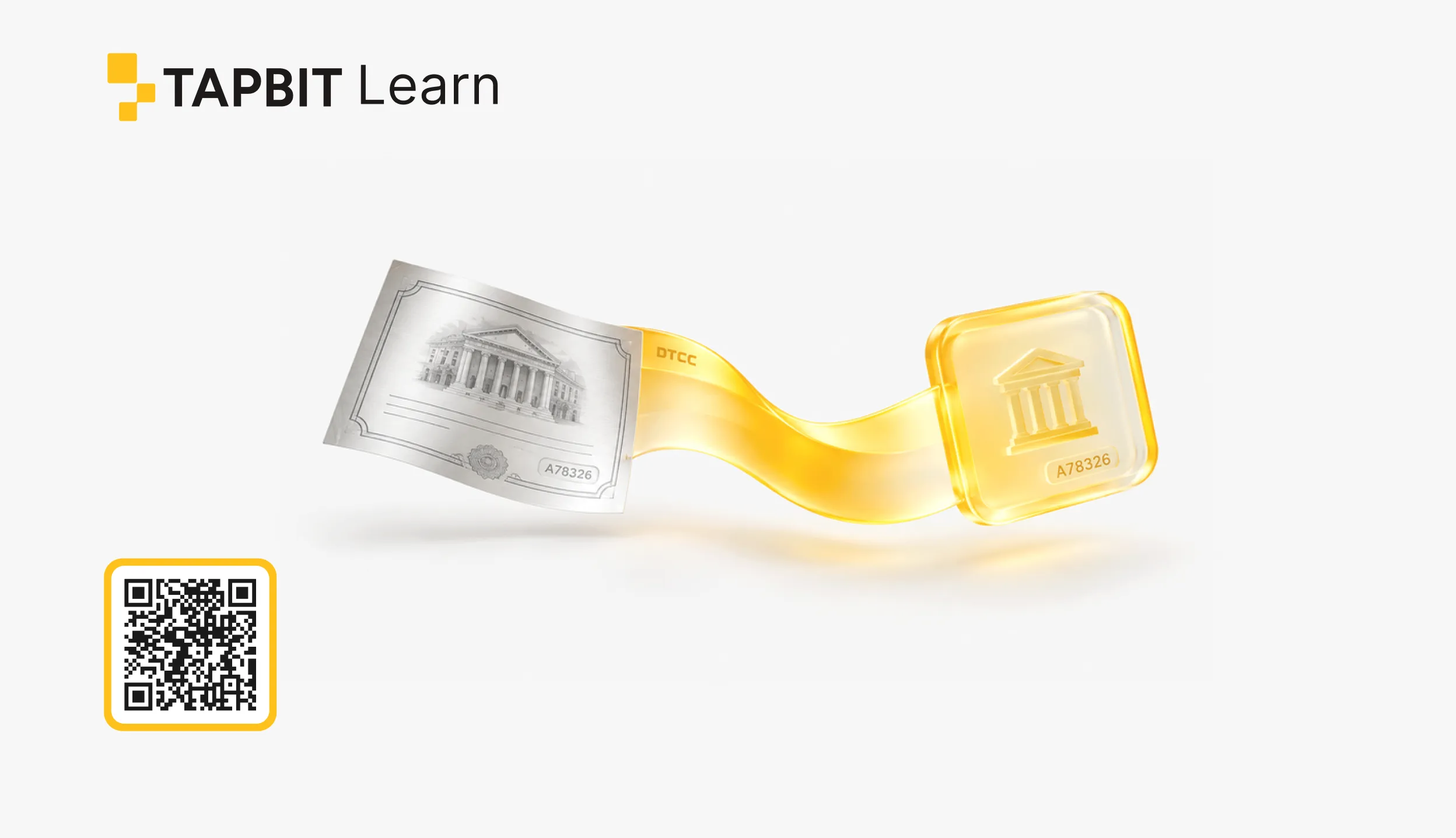
DTCC tokenization is now a live service. Its DTC subsidiary can create digital representations of eligible securities already held in custody, while preserving the corresponding ownership rights and economic entitlements.
For investors, the important change is the connection to existing market infrastructure. The launch brings securities records and blockchain transfers closer together. It does not turn every stock into a freely tradable cryptocurrency or give every wallet direct access to DTC.
What Did DTCC Launch on October 28?
DTCC launched a service for converting eligible securities entitlements between traditional records and blockchain-based form. The company’s launch announcement says twenty DTC participants had signed agreements to use it.
DTC is a central part of the infrastructure used to hold and move securities. Most investors interact with a broker rather than DTC itself. Connecting a token to those records helps explain who holds the underlying security and what the digital representation stands for.
The announcement cites more than $114 trillion in DTC custody. That is the size of its broader custody business, rather than an amount suddenly transferred onto blockchain at launch.
Which Stocks, ETFs and Treasuries Are Eligible?
The permitted scope includes Russell 1000 stocks, ETFs tracking major indexes and US Treasury securities. The initial service supports a narrower starting selection. CoinDesk’s launch reporting described 34 eligible securities at launch.

An eligible universe is a set of assets that a service can support under its rules. Actual tokenized balances depend on participants choosing to convert positions. Those two measures answer different questions.
| Term | What it means |
|---|---|
| Assets in custody | Securities DTC holds across its business |
| Eligible securities | Instruments the service allows |
| Tokenized balance | Positions actually converted into digital form |
Keeping these categories separate prevents a large headline value from being mistaken for new investment flowing into crypto tokens.
Can Individual Investors Use the Service Directly?
The launch is built around DTC participants and registered wallets. Individual access depends on the broker, platform and product through which the investor participates.

For a simple example, an investor holds an account with a broker. The broker holds or administers securities through the market’s custody chain. A tokenization service can change how an eligible position is recorded or transferred within that system, while the investor still relies on an approved account relationship.
This differs from buying an unrestricted token on a public exchange. The difference between shares and crypto products remains essential: access, ownership and trading terms come from the specific instrument.
What Roles Do Ondo and Canton Play?
Ondo is an ecosystem collaborator, while Canton is one of the networks supporting the initial service. DTCC also uses its own private Besu network. These are distinct roles within the rollout.
Ondo’s announcement connects its work to DTC-tokenized entitlements and earlier tokenized stock products. The launch demonstrates an infrastructure relationship; it does not make the ONDO governance token a claim on every security supported by the service.
A useful comparison is a payment network and a merchant. The network moves information or value, while the merchant supplies a separate product. Participation in the same system does not make their assets interchangeable. Investors assessing a token still need its own purpose, supply and economic rules.
Does This Mean Stocks Can Trade 24/7?
The service enables around-the-clock transfers between registered wallets within supported arrangements. Trading availability still depends on the venue, cash arrangements and applicable product rules.

Sending an entitlement and executing a purchase are separate actions. A trade requires a buyer, a seller, an agreed price and a way to complete both the asset and payment sides. An available transfer rail does not guarantee an available order book.
Ledger Insights’ operational review also distinguishes continuous transfers within a chain from conversion services operating during specified business hours. This matters when investors hear broad claims about instant movement across every network.
The launch’s practical value is more flexible movement of securities and collateral. How much everyday investors benefit will depend on the products institutions build on that infrastructure, their fees and the actual access offered.
The settlement asset also matters. A tokenized security represents a financial instrument; a stablecoin such as USDT serves a different purpose. Putting both on blockchain does not make their rights or price behavior identical.
How to Explore Related Financial-Market Futures on Tapbit
- Register or sign in to Tapbit and prepare USDT.
- Open HOOD-USDT futures for separate price exposure to the brokerage company. Review the contract, margin mode and leverage.
- Select direction, order type and size, then set take-profit and stop-loss levels.
- Check price, fees, margin and liquidation level before submitting. Monitor the position and use the close controls to exit.
HOOD exposure follows its own market; it is different from purchasing a DTC-tokenized security.
FAQ
Does DTCC have its own cryptocurrency?
The launch announcement describes a tokenization service for securities. It does not announce a retail DTCC cryptocurrency.
Does holding ONDO mean owning tokenized stocks?
No. ONDO and individual tokenized stock products are separate assets with different rights.
Can every wallet receive these securities?
No. The service uses registered wallets and eligible participants. Access follows the relevant institutional and product rules.


