
MON is the native token of Monad, a high-performance, EVM-compatible Layer 1 blockchain built to support faster crypto applications while keeping a familiar Ethereum-style developer environment. For many users, the key question is simple: is MON just another new-chain token, or does Monad offer a real technical and ecosystem narrative?
The short answer is that MON is closely tied to the growth of Monad itself. It is used for transaction fees, staking, validator rewards, and activity across applications built on the network. That makes MON different from a standalone meme coin or isolated application token. Its demand depends on whether Monad can attract builders, liquidity, users, and long-term on-chain activity.
For users who want to follow emerging crypto narratives while comparing market opportunities, Tapbit's crypto market access can be a useful place to track broader digital asset trends. MON availability should still be checked separately on official market pages before making any trading decision.
What Is Monad?
Monad is a Layer 1 blockchain designed to improve blockchain performance without abandoning Ethereum compatibility. In practice, that means developers familiar with Solidity, Ethereum tooling, and EVM-based smart contracts may be able to build on Monad without learning an entirely different execution model.
The project focuses on speed, parallel execution, optimized consensus, and a more efficient approach to handling blockchain state. These design choices are meant to reduce bottlenecks that often appear when networks become busy.
Monad competes in a crowded field. Ethereum Layer 2 networks, Solana, Sui, Aptos, Avalanche, and other performance-focused chains are all trying to capture developer attention. Monad's pitch is that it can combine high throughput with the convenience of the Ethereum ecosystem.

What Is MON Token?
MON is the native asset of the Monad network. Like ETH on Ethereum or SOL on Solana, MON is used to pay for basic network activity. Whenever users send transactions, interact with smart contracts, swap tokens, mint assets, or use applications on Monad, MON can function as the gas token.
MON is also important for network security. Validators and stakers participate in securing the chain, and staking rewards help align incentives among validators, token holders, and the broader network.
| Project Element | Description |
|---|---|
| Network | Monad |
| Token | MON |
| Asset Type | Native Layer 1 token |
| Main Narrative | High-performance EVM-compatible blockchain |
| Core Uses | Gas fees, staking, validator rewards, ecosystem activity |
MON Use Cases: Gas, Staking, and Ecosystem Activity
The first use case for MON is transaction fees. Every blockchain needs a way to price network resources, reduce spam, and compensate infrastructure participants. MON performs that role on Monad.
The second use case is staking. Staking helps secure the network by aligning validator behavior with economic incentives. If the network grows, staking may become one of the main ways long-term holders participate in Monad's security model.
The third use case is ecosystem activity. As DeFi apps, lending protocols, NFT platforms, gaming projects, RWA products, and infrastructure tools develop on Monad, MON may be used across wallets, liquidity pools, vaults, bridges, and other on-chain services.
| MON Use Case | Why It Matters |
|---|---|
| Gas Fees | Pays for transactions and smart contract execution |
| Staking | Supports validator security and network incentives |
| DeFi Activity | Can be used in swaps, lending, liquidity pools, and vaults |
| Ecosystem Incentives | May help attract developers and users to Monad apps |
| Network Alignment | Connects users, validators, and builders around protocol growth |
MON Tokenomics Explained
Monad's official tokenomics overview describes an initial MON supply of 100 billion tokens. At public mainnet launch, some tokens entered public circulation through public distribution channels, while other allocations were assigned to ecosystem development, team members, investors, and treasury-related categories.
For beginners, the most important tokenomics question is not only the total supply. It is how much supply is circulating today, how much supply may unlock in the future, and whether real demand is growing fast enough to absorb that supply.
| Tokenomics Area | What to Watch |
|---|---|
| Initial Supply | 100 billion MON |
| Circulating Supply | Publicly available tokens after launch distributions |
| Ecosystem Allocation | Tokens used to support apps, grants, incentives, and growth |
| Team and Investor Tokens | Potential unlock pressure over time |
| Validator Rewards | May increase supply through staking incentives |
| Fee Burns | May reduce supply depending on network activity and fee design |
Why Is Monad Getting Attention?
Monad is getting attention because crypto still has a scaling problem. Users want fast apps, low fees, deep liquidity, and a simple experience. Developers want performance without giving up familiar Ethereum tools. Monad is trying to serve both groups.
The project's strongest narrative is high-performance EVM compatibility. If Monad can let developers deploy familiar smart contracts while users experience faster transactions, it could become an important venue for DeFi and consumer crypto applications.
That said, attention alone is not enough. Many Layer 1 networks have generated early hype, incentives, and airdrop-driven activity, only to struggle after the first wave of users moved on. MON's long-term performance will depend on whether Monad develops sticky applications that users actually return to.
MON Price Drivers to Watch
MON price action will likely depend on several measurable factors. The most important are active addresses, transaction fees, total value locked, stablecoin liquidity, developer activity, validator participation, and exchange market depth.
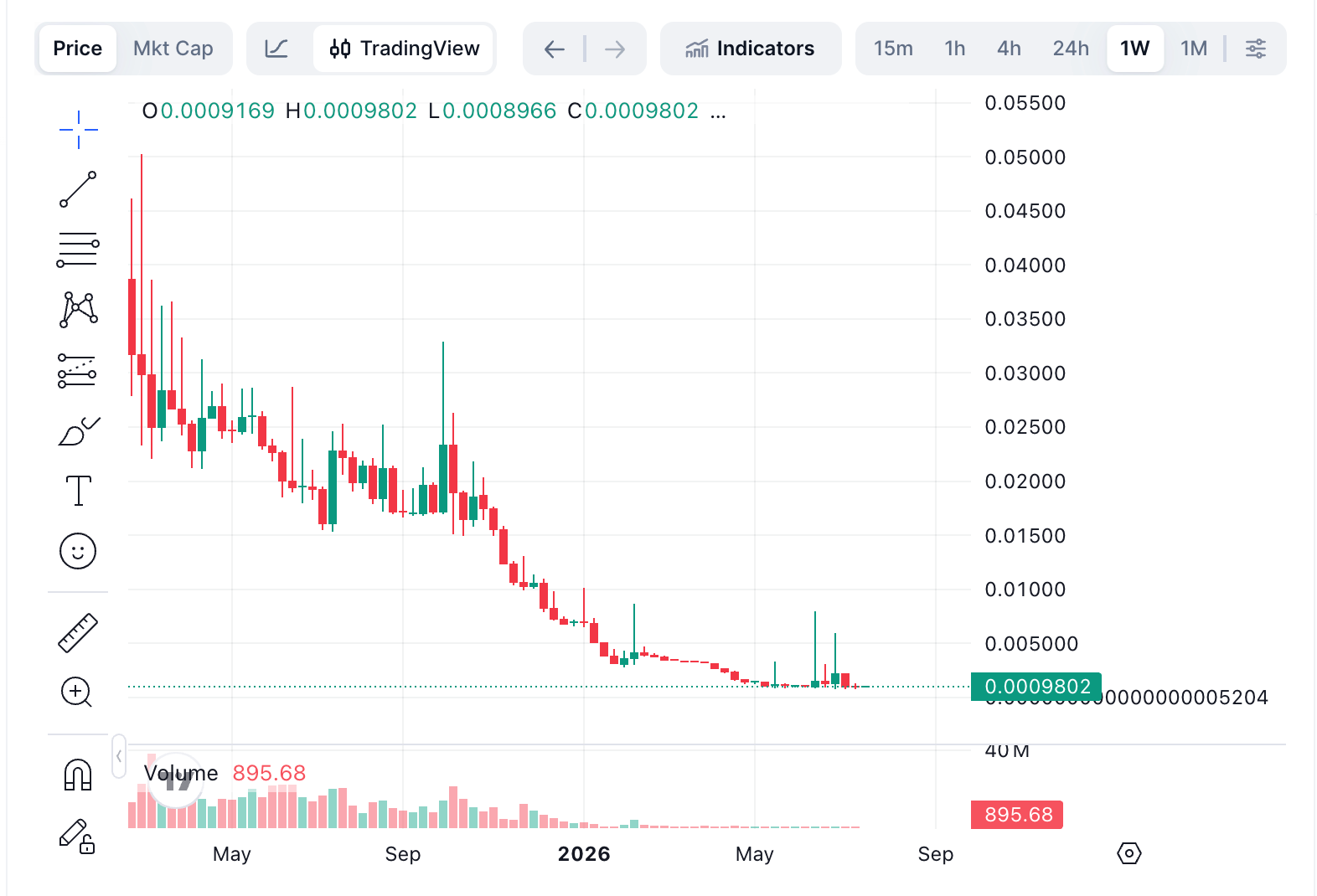
Investors should also watch whether Monad activity is organic or incentive-driven. A network can look active during reward campaigns, but the stronger signal is sustained activity after incentives become less aggressive.
Token demand is strongest when users need the asset for real network activity. If Monad becomes a busy application layer, MON may benefit from gas demand, staking demand, and ecosystem usage. If activity stays thin, MON may trade mostly on speculation and broader market sentiment.
MON Unlock Risks and Supply Pressure
Token unlocks are one of the main risks for MON. Locked allocations for insiders, investors, team members, and treasury categories may enter circulation over time. When supply increases, the market needs enough demand to absorb it.
This does not mean unlocks are automatically bearish. Healthy networks can absorb new supply if usage, liquidity, revenue, and investor interest grow together. But when demand is weak, unlocks can pressure price and reduce confidence.
Anyone researching MON should track vesting schedules, circulating supply growth, staking rewards, and ecosystem spending. These details often matter more than short-term price predictions.
Is MON a Good Investment?
MON may appeal to investors who believe the market still has room for a high-performance EVM-compatible Layer 1. The investment case becomes stronger if Monad attracts serious developers, active DeFi markets, stablecoin liquidity, strong validator participation, and sustainable transaction demand.
The risk is that the Layer 1 market is already crowded. Ethereum L2s continue to grow, Solana remains a major competitor in high-throughput applications, and newer chains are also chasing developers. Monad must prove that its technical design can translate into real user behavior.
For most beginners, MON should be viewed as an emerging ecosystem asset rather than a low-risk investment. It may have upside, but that upside depends on execution, adoption, liquidity, and market conditions.
How to Research MON Before Trading
Before trading MON, users should verify official network information, contract details where applicable, supported exchanges, wallet compatibility, staking options, and market liquidity. Avoid relying only on social media posts, influencer threads, or screenshots of price targets.
A practical research process includes checking official Monad channels, reading tokenomics details, reviewing ecosystem apps, monitoring validator activity, and comparing trading volume across major markets. If a token listing or trading pair is promoted, confirm it directly from the exchange page rather than from a third-party post.
Key Risks of MON and Monad
MON carries several risks. The first is execution risk: Monad must deliver real performance and reliability at scale. The second is adoption risk: developers and users must actually choose Monad over competing networks. The third is tokenomics risk: future unlocks and supply growth may affect market structure.
There are also smart contract and ecosystem risks. New chains often attract fast-moving DeFi projects, bridges, and incentives. Users should be cautious with unaudited protocols, high-yield farms, and unknown contracts, even if the base chain itself has a strong narrative.
Conclusion
MON is the native token of Monad, a high-performance EVM-compatible Layer 1 blockchain. It is used for gas fees, staking, validator rewards, and ecosystem participation. The MON bull case depends on Monad becoming more than a fast chain on paper; it needs real applications, real liquidity, and real users.
For now, MON is best understood as an emerging Layer 1 asset with meaningful upside potential and meaningful risk. Investors should focus on adoption metrics, token unlocks, liquidity, staking participation, and ecosystem quality before making any decision.
FAQ
What is MON?
MON is the native token of Monad, an EVM-compatible Layer 1 blockchain designed for faster transaction execution and scalable smart contract activity.
What is Monad crypto?
Monad is a blockchain network built to improve performance while maintaining compatibility with Ethereum-style smart contracts and developer tools.
What is MON used for?
MON is used for gas fees, staking, validator rewards, and activity within the Monad ecosystem.
Is MON a Layer 1 token?
Yes. MON is the native token of the Monad Layer 1 blockchain.
Is MON a good investment?
MON may interest investors who believe in high-performance EVM-compatible blockchains, but it remains risky due to competition, token unlocks, volatility, and uncertain long-term adoption.
What are the biggest risks of MON?
The biggest risks include unlock pressure, weak ecosystem adoption, speculative valuation, smart contract risk, liquidity volatility, and competition from other Layer 1 and Layer 2 networks.


