USXR is the kind of token name that makes people stop scrolling. It has “XRP” in it. It has “Reserve” in it. It sounds like it might be linked to something official. In a market where traders are already watching XRP, U.S. crypto reserve headlines, and Solana meme coins, that is enough to get attention.
But attention is not the same as backing.
Right now, USXR should not be treated as XRP, a Ripple product, an XRP Ledger asset, or a verified reserve-backed token. Based on available public information, it looks more like a Solana narrative token using XRP-style branding to catch the market’s eye.
That does not mean it cannot move. These tokens often can. It means traders need to know what they are actually buying.
The Name Is Doing Most of the Work
USXR’s strongest feature is its branding. It mixes three things traders already recognize: XRP, U.S. reserve talk, and Solana meme-token speed. That combination is powerful because it gives people a story before they even check the contract.
And that is exactly where the risk starts. A token can use XRP in its name without being connected to XRP. It can use “reserve” without holding any reserves. It can look official without being official.
Crypto has seen this pattern many times. A real market topic appears, then smaller tokens borrow the language around it. Some get a quick pump. Most are driven by attention, not fundamentals. USXR fits that kind of setup.
USXR Is Not XRP
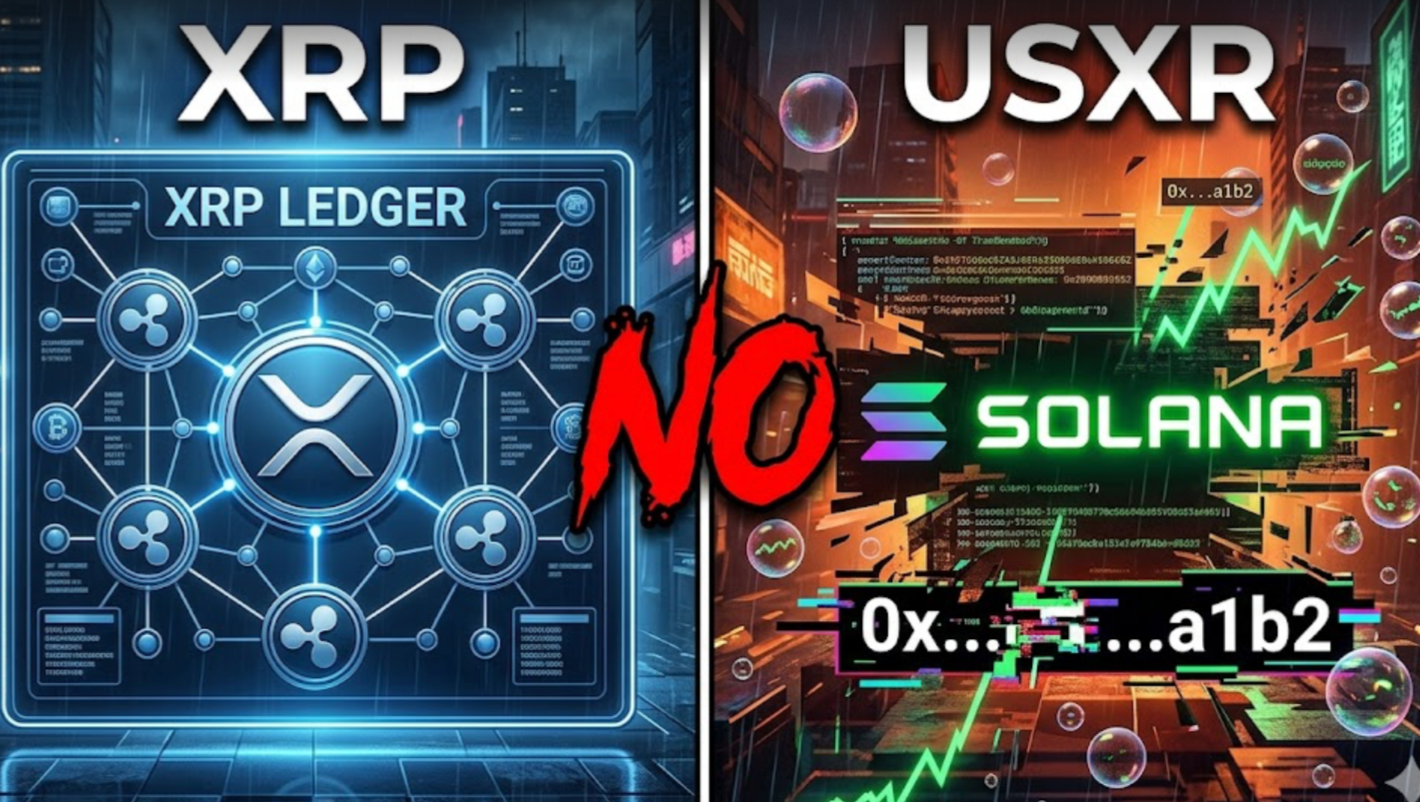
This point needs to be clear. XRP is the native asset of the XRP Ledger. It has its own network, liquidity, ecosystem, and history.
USXR is separate. If USXR is issued on Solana, then buying USXR is not the same as buying XRP. It does not give traders exposure to Ripple’s products, XRP Ledger activity, or any official XRP reserve program.
That difference matters. If someone wants XRP exposure, they should look at XRP itself. USXR is a different token with different risks: Solana DEX liquidity, contract permissions, holder concentration, slippage, and hype cycles.
The ticker may sound related. The asset is not the same.
“Reserve” Needs Proof
The word “reserve” sounds serious. But in crypto, words are cheap. A real reserve-backed product should show what it holds, where the assets are kept, who controls them, whether there are audits, and whether holders have any claim or redemption rights.
Without that, “reserve” is only a marketing term.
For USXR, traders should not assume there are XRP reserves, dollar reserves, government assets, or audited collateral unless those details can be verified from reliable sources. This is the difference between a reserve product and a meme token with reserve branding. One has proof. The other has a story.
Liquidity Matters More Than the Chart
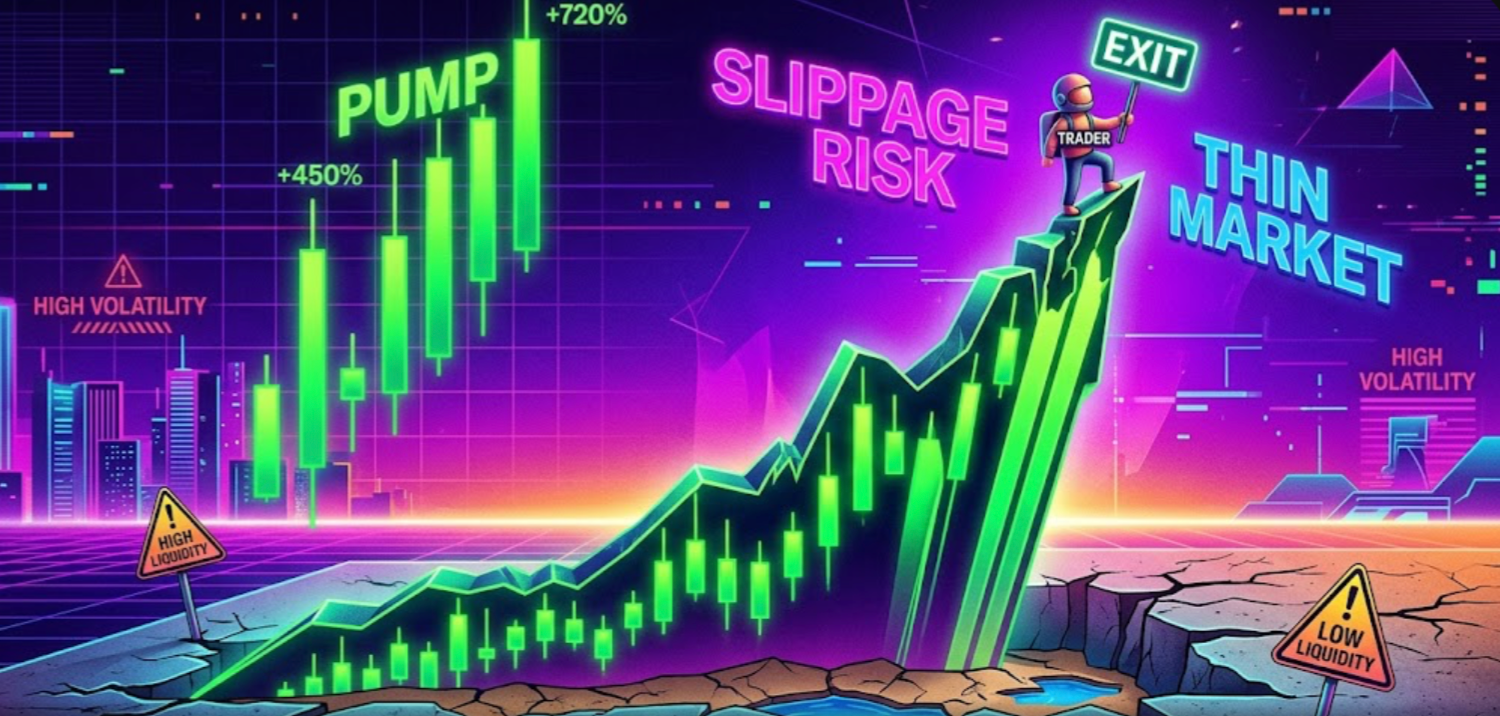
For small Solana tokens, the chart can be misleading. A token can show a huge move, but if the liquidity pool is shallow, traders may not be able to exit without heavy slippage. One wallet can push the price up. One wallet can send it back down.
That is why traders should check the basics before buying USXR.
What is the exact contract address?
How deep is the liquidity pool?
Who owns the supply?
Can the token still be minted or frozen?
Is trading volume real or just a short burst?
Are there copycat tokens with similar names?
These questions matter more than the logo or the website. In thin markets, the exit is the trade.
The U.S. Reserve Narrative Is Easy to Borrow
The broader U.S. crypto reserve conversation has already influenced market psychology. That is why tokens with “reserve” in the name can quickly attract attention. Traders remember headlines. They connect the dots fast. Sometimes too fast.
But there is a big difference between a policy discussion and a token using similar language.
USXR may benefit from the reserve narrative, but that does not make it part of any policy. Unless there is official confirmation, audited reserves, or credible documentation, traders should assume the name is branding — not evidence.
This is especially important for newer tokens. The faster a narrative spreads, the easier it is for traders to skip basic checks.
Who Should Even Trade This?
USXR is not for someone looking for clean XRP exposure. It is not for someone looking for a verified reserve asset. It may appeal to short-term traders who understand Solana DEX risk and know they are trading attention, not fundamentals.
That kind of trade requires discipline. Position size matters. So does exit planning. So does checking liquidity before buying. Beginners should be especially careful because the name can make the token look more legitimate than it is.
What to Watch Next
The first thing to watch is whether USXR gets consistent market data across reputable trackers.
The second is liquidity. If the pool is shallow, the token is dangerous no matter how good the chart looks.
The third is holder concentration. If a few wallets control too much supply, the dump risk is high.
The fourth is contract permissions. Mint or freeze authority can create extra risk.
The fifth is documentation. A real project should have more than a name, a logo, and a social media push.
Finally, traders should watch for any official clarification. If Ripple, XRP Ledger teams, or U.S. authorities do not recognize the token, there is no reason to assume a real connection.
Bottom Line
USXR is a good example of how crypto branding works. The token borrows from XRP and reserve narratives at a time when both can attract attention. That may be enough for a short-term move, but it is not enough to prove value.
For now, USXR should be treated as a high-risk Solana narrative token, not as XRP and not as a verified reserve-backed product.
The name may bring the crowd in. The contract, liquidity, holders, and documentation decide whether the trade is worth the risk.
Traders can follow more market updates on Tapbit, log in, or register to stay connected with global crypto opportunities.
Frequently Asked Questions (FAQ)
What is USXR?
USXR, or US XRP RESERVE, appears to be a Solana-based narrative token using XRP and “reserve” language as part of its branding. It should not be confused with XRP, Ripple, or the XRP Ledger.
Is USXR the same as XRP?
No. XRP is the native asset of the XRP Ledger. USXR is a separate token and, based on available public information, should not be treated as direct XRP exposure.
Is USXR officially connected to Ripple?
There is no verified evidence that USXR is backed, issued, sponsored, or endorsed by Ripple. Traders should not assume any Ripple connection unless it is confirmed by official Ripple or XRP Ledger sources.


