
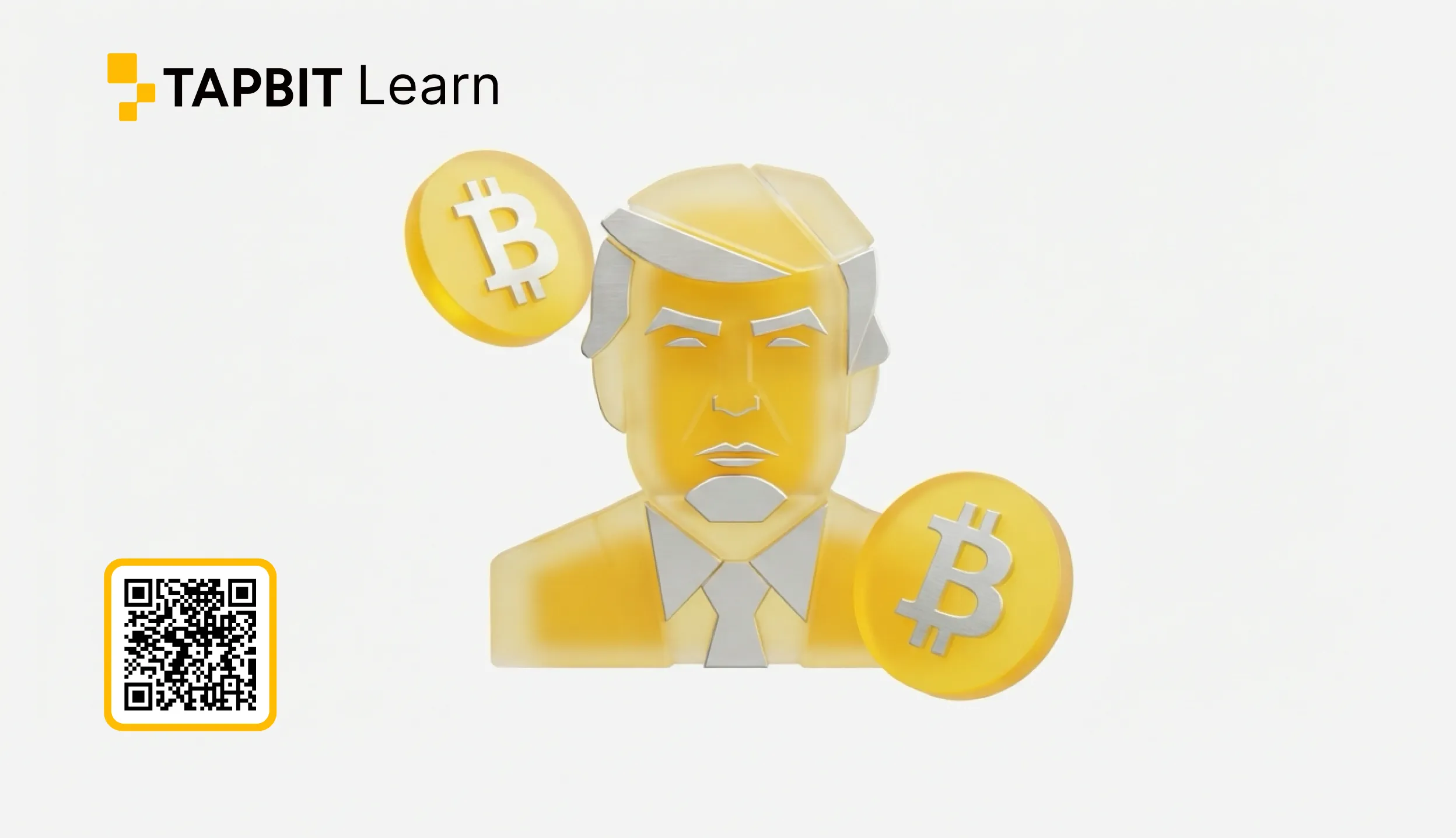
The Trump bitcoin reserve plan has moved past campaign talk, but it is not law yet.
On September 16, 2026, the House Financial Services Committee advanced the American Reserve Modernization Act. The proposal would formalize the Strategic Bitcoin Reserve under Treasury management, require qualifying Bitcoin to remain in the reserve for at least 20 years, and introduce public reporting and third-party oversight.
The headline sounds bullish. The details are more restrained.
As written, the plan focuses mainly on retaining government-held Bitcoin. It does not create an immediate Treasury program to purchase 1 million BTC.
What the Trump Bitcoin Reserve Bill Actually Does

The proposed legislation would establish two separate structures:
-
A Strategic Bitcoin Reserve for government-held Bitcoin
-
A Digital Asset Stockpile for other digital assets
The distinction is important. Bitcoin would receive a dedicated long-term custody framework, while other cryptocurrencies would remain in a separate government stockpile.
Under the proposed rules, Bitcoin deposited into the reserve could not be sold, swapped, auctioned or pledged for at least 20 years. The bill would also require the Treasury to publish quarterly reports covering reserve holdings, transactions and control of the relevant private keys. Independent audits would provide an additional layer of oversight.
This would turn the reserve from a policy statement into a formal government asset-management structure, assuming the bill completes the legislative process.
The United States Is Not Yet Buying Bitcoin at Scale

One of the biggest points of confusion around the Trump Bitcoin reserve is the difference between holding Bitcoin and buying Bitcoin.
The United States already controls BTC obtained through criminal forfeitures and other enforcement actions. Those coins can form the initial base of the reserve without requiring the government to enter the open market.
That is very different from a recurring Treasury purchase program. Direct buying would create new demand and could affect Bitcoin liquidity, market expectations and the behavior of other governments. So far, no large, recurring purchase plan has become the central mechanism of the latest proposal.
A securities filing discussing the reserve noted that the administration had been directed to explore budget-neutral ways of acquiring additional Bitcoin. It also referenced earlier proposals that would have targeted the purchase of up to one million BTC, but that approach is not the main feature of the current House bill.
Why the 20-Year Holding Period Matters

The 20-year rule could matter even without new purchases. Government-held Bitcoin has historically been exposed to the possibility of future auctions or sales. A statutory lockup would reduce that potential supply overhang for two decades. It would also make it harder for a future administration to change the policy on its own.
That does not create a guaranteed price floor. Bitcoin remains sensitive to interest rates, liquidity, leverage and investor positioning. A government cannot remove those risks simply by holding BTC in a reserve.
The stronger argument is about market structure. If investors believe that a significant pool of government-held Bitcoin will remain off the market, they may assign greater importance to available circulating supply. Whether that matters in practice will depend on the size of the reserve and how transparently it is reported.
The Senate Is Still the Real Test
The House committee’s action is progress, not passage.
The bill still has to move through the House and then receive support in the Senate. That process may be difficult. The Senate recently blocked the CLARITY Act in a 49–50 vote after lawmakers disagreed over ethics restrictions and President Trump’s personal crypto interests.
The two bills are not identical, but the vote shows how difficult major crypto legislation has become. Bitcoin reserve policy raises additional questions about fiscal exposure, government custody and whether taxpayers should be exposed to a volatile asset.
A final law may therefore differ significantly from the current House version. The 20-year lockup, reserve reporting rules and any language covering new purchases could all be revised during negotiations.
Trump Bitcoin Policy Is Becoming a Broader Geopolitical Debate

The reserve proposal also arrives as the United States continues to use financial sanctions against Russia and other jurisdictions.
That has increased interest in alternative settlement networks, including Bitcoin and other digital assets. Bitcoin operates outside the traditional banking system, can be transferred globally and has a fixed issuance schedule. These characteristics make it relevant to discussions about financial resilience and national reserves.
Still, Bitcoin is not invisible money. Transactions are recorded on a public blockchain, and the companies that provide custody, exchange and payment services remain subject to regulation. Governments can also seize private keys or target centralized intermediaries.
The Trump Bitcoin strategy is therefore not simply a response to sanctions. It is part of a larger debate over whether Bitcoin should be treated as a strategic asset, a speculative investment or a financial network.
What Could Move BTC Next?
Ultimately, the significance of the Trump Bitcoin reserve bill lies less in an immediate wave of government buying than in the precedent it could establish. A 20-year lockup would recast seized Bitcoin from an asset awaiting sale into a strategic holding protected by law, potentially reducing future supply pressure and signaling a lasting shift in how Washington views BTC.
Yet the proposal still faces a difficult legislative path, and its market impact will depend on the reserve’s eventual size, transparency and acquisition rules.
A bill that merely locks up previously seized Bitcoin would be symbolically important, but its immediate demand impact could be limited. A funded purchase program would be a much stronger market catalyst.
For readers tracking the Trump Bitcoin reserve, BTC regulation and digital-asset market movements, Tapbit offers access to broader crypto market information and trading tools. New users can register here.
Frequently Asked Questions
What is the Trump Bitcoin reserve?
The Trump Bitcoin reserve refers to the Strategic Bitcoin Reserve created through the administration’s digital-asset policy. Proposed legislation would place the reserve into federal law and establish long-term Treasury custody for qualifying government-held Bitcoin.
Has the Trump Bitcoin reserve bill become law?
No. The bill has advanced through a House committee, but it still requires further action in the House and Senate before it could become law.
Will the United States buy 1 million Bitcoin?
The latest proposal does not make an immediate purchase of 1 million BTC its central requirement. Earlier proposals included large acquisition targets, while the current bill focuses more heavily on custody, long-term holding and reserve oversight.


